Email:
 Phone:
 WhatsApp:

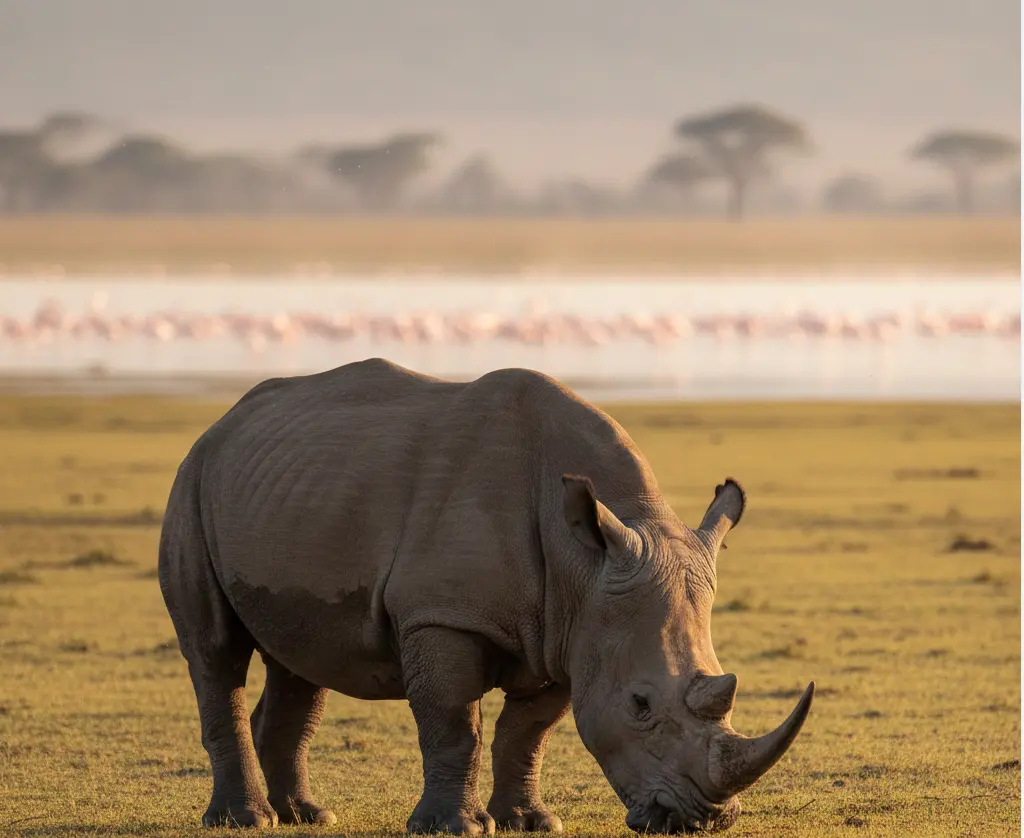
Rhinos in Lake Nakuru National Park represent the crown jewel of Kenya’s conservation efforts, offering a higher sighting probability in 2026 than the Masai Mara or the Serengeti. As a compact, 188 Square Kilometers fully-fenced sanctuary, it provides a protected haven for a dense population that is far easier to track than the nomadic herds of the larger, unfenced Rift Valley plains.
Quick Answer: Are there rhinos in Lake Nakuru?
Yes, Rhinos in Lake Nakuru National Park are a primary attraction, with a thriving population of over 150 individuals. As Kenya’s first official rhino sanctuary, the park hosts both the southern white rhino and the endangered black rhino, with sightings being almost guaranteed for travelers who visit the southern grasslands in 2026.
While most wildlife in Lake Nakuru—like the famous flamingos—is dictated by water levels, endangered species tracking for rhinos requires a more tactical approach. In 2026, the rising lake has shifted these giants toward specific “safe zones” away from the traditional tourist circuits. If you are coming from Nairobi specifically to see these prehistoric beasts, our 2-day Nakuru & Naivasha itinerary already accounts for these shifts, but for the serious tracker, the real secret lies in knowing the 80% / 20% species split…
Quick Navigation: Jump to your Section
Black vs. White Rhinos: Identifying the 2026 Populations
Understanding the biological split of Rhinos in Lake Nakuru National Park is the first step toward a successful sighting because their behaviors dictate where they hide. While the names “Black” and “White” are actually misnomers derived from the Dutch word “wijd” (meaning wide), the physical and dietary differences are stark.
The Nakuru rhino sanctuary population currently favors the Southern White Rhino, which makes up about 80% of the park’s residents. These massive grazers are social and prefer the open grasslands, making them the most frequently photographed Rhinos in Lake Nakuru National Park during daylight hours.
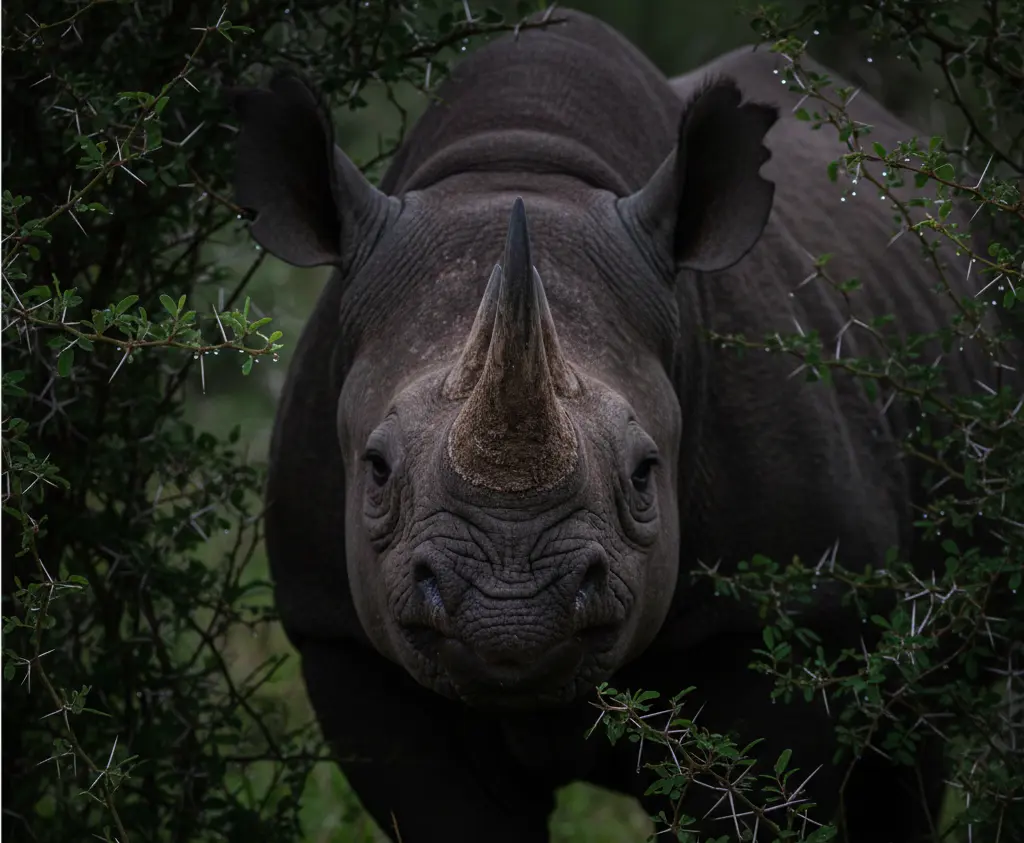
In contrast, the elusive Black Rhino is a solitary browser that spends its day tucked into the dense acacia thickets. Because they are smaller and more aggressive, these Rhinos in Lake Nakuru National Park require a much more patient tracking strategy and a keen eye for “hooked lips” rather than “square lips”. These same thickets are now a high-stakes territory where browsers meet predators; to understand the other half of this vertical rivalry, see our 2026 guide on tracking leopards in Lake Nakuru National Park to find the specific basalt ridges overlooking these rhino hideouts
🛡️ OPERATOR INSIGHT: The Horn-Symmetry Secret
If you spot a rhino with a perfectly straight, elongated front horn, you are likely looking at a White Rhino in the Naishi region. However, spotting a Black Rhino requires looking for a more curved, “prehistoric” horn silhouette within the fever trees. To ensure you have the right optics to tell them apart at a distance, see our guide on Lake Nakuru: Essential Gear Items Most Safaris Forget for the specific magnification specs we use on the ground.
Rhino Identification Tips: A Quick Reference
- Lip Shape: White Rhinos have square, wide lips for grass; Black Rhinos have pointed, hooked lips for twigs.
- Social Life: White Rhinos are often in groups (crashes); Black Rhinos are solitary and territorial.
- Ears: White Rhinos have long, tubular ears; Black Rhinos have rounded ears.
- Sighting Difficulty: White Rhinos are easier to spot on open plains, while Black Rhinos prefer dense thickets.
Mastering these rhino identification tips helps you accurately log and understand your sightings even without a guide. In parks like Lake Nakuru, distinguishing between black and white rhinos is less about color and more about feeding behavior and habitat choice. White rhinos are grazers that favor open grasslands, while black rhinos are browsers that stay close to dense shrubs and acacia thickets.
Because of the 2026 water level increases around the lake, several traditional grazing and browsing zones have shifted. An experienced driver will therefore focus on the vegetation pockets that remained dry and regenerated, since these areas now act as the most reliable feeding grounds for both species. Knowing this not only improves your chances of spotting rhinos but also helps you interpret why a rhino is in a particular location at a specific time of day.
Now that you can tell a browser from a grazer, we need to address the “Shoreline Myth” and look at the actual 2026 maps where these giants are congregating…
The “Naishi Shift”: Where to Find Rhinos in 2026 (The Shoreline Myth)
If you are following outdated guidebooks that suggest tracking Rhinos in Lake Nakuru National Park along the main shoreline circuit, you are likely to find nothing but rising water. The significant lake expansion has submerged traditional grazing grounds, forcing a permanent migration of the park’s heavyweights to higher ground.
In 2026, the best tracks for rhinos are now concentrated in the southern sector, specifically the elevated Naishi Plains. This area remains dry and supports the short-grass diet preferred by white rhinos, making it the most reliable place for where to see rhinos in Kenya without the crowds of the Mara.
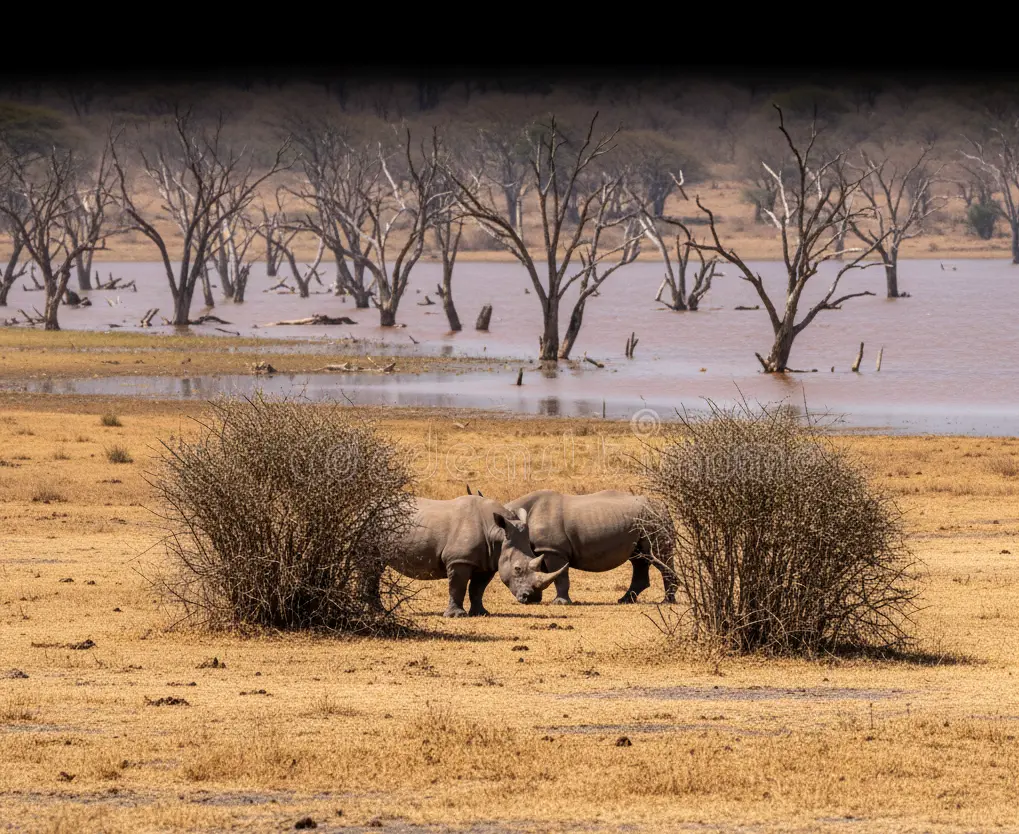
Navigating the current 2026 habitat of Rhinos in Lake Nakuru National Park requires a shift in strategy: focus your game drive between the Naishi airstrip and the Rhino Sanctuary fence line. While the flooded Lake Nakuru tracks near the northern gates offer great birding, they are currently a waste of time for those hunting for a “crash” of rhinos.
🛡️ OPERATOR INSIGHT: The 50-Meter Rule KWS rangers in 2026 are strictly enforcing a 50-meter distance rule from all Rhinos in Lake Nakuru National Park to prevent habitat stress in the reduced dry zones. If you are navigating the park yourself, see our Lake Nakuru self-drive guide to learn more about how to stay on the correct side of the law while accessing the Naishi backroads.
Naishi Plains Wildlife: 2026 High-Probability Zones
- The Naishi Airstrip: Look for White Rhinos grazing in the open here between 7:00 AM and 10:00 AM.
- The Southern Sanctuary Fence: This is the primary corridor for Black Rhinos moving between the dense acacia scrub and water holes.
- Makalia Falls Road: High-elevation tracks that remain accessible even after heavy 2026 rains.
Avoid the temptation to spend your morning stuck in the mud near the old Baboon Cliff area if rhinos are your priority. The Naishi plains wildlife density is currently at its peak because it offers the only remaining large-scale grazing land that hasn’t been touched by the alkaline salt-creep of the rising lake.
Now that we have mapped out exactly where these giants are hiding, we need to talk about the clock…
Timing the Sighting: 6:30 AM vs. The Afternoon Heat
Success in spotting Rhinos in Lake Nakuru National Park is less about luck and more about syncing your biological clock with theirs. In 2026, the park gates open at 6:00 AM, and being the first vehicle through is the only way to catch the critically endangered Black Rhino before they retreat into the impenetrable thickets.
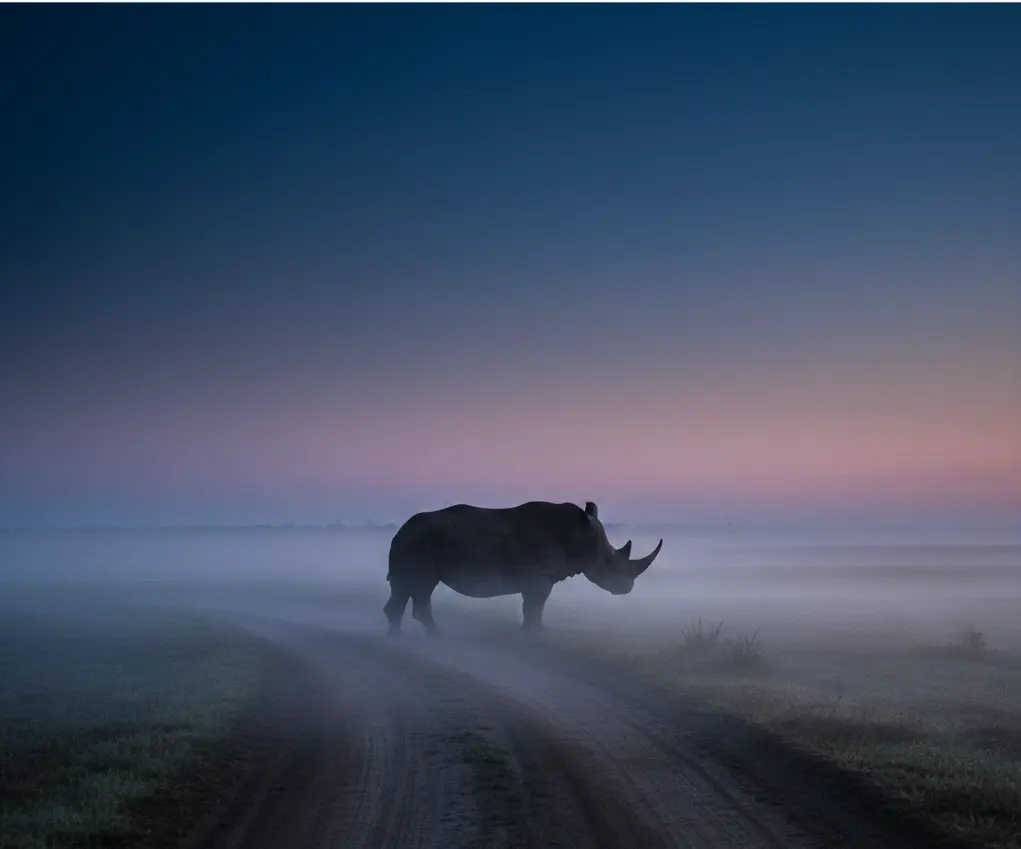
Setting your 2026 itinerary for spotting Rhinos in Lake Nakuru National Park requires understanding that these animals are highly temperature-dependent. During the cool 6:30 AM window, rhinos are active and often found standing in the middle of the tracks to lick mineral salts—a behavior that vanishes as soon as the sun hits the Rift Valley floor.
🛡️ OPERATOR INSIGHT: The 10:00 AM “Ghost Hour”
Many tourists arrive at 9:30 AM just as the rhinos are heading for cover, effectively wasting their morning session. To avoid this, see our guide on the best time to visit Lake Nakuru National Park to learn how to structure your 24-hour permit for maximum rhino overlap.
Nakuru Photography Tips for Rhino Sightings
- The Blue Hour (6:30 AM – 7:30 AM): Best for capturing the silhouettes of Rhinos in Lake Nakuru National Park against the rising mist.
- Golden Hour (5:00 PM – 6:30 PM): Provides the best side-lighting to highlight the skin texture and horn curvature.
- Mid-day Heat: Use this time for birding, as the harsh sun creates flat, unappealing shadows on large mammals.
By 11:00 AM, the rhino behavior safari dynamic shifts; they become “gray boulders” hidden under the deep shade. If you miss the morning, your next best opportunity is the 4:30 PM slot, when the dropping temperature brings them back out to the edges of the Naishi Plains.
⚠️ [Year] ROAD ALERT: The “Lanet Gate” Morning Hack: If you are coming from Nairobi specifically for a day trip, you must beat the city traffic to catch the 6:30 AM rhino activity. Check our latest guide on Nairobi to Nakuru road hacks to see how to use the Lanet shortcut to bypass the main town congestion and arrive while the rhinos are still on the tracks.
Now that your timing and arrival strategy are dialed in, let’s ensure you don’t get slapped with a heavy fine for getting too close to these territorial giants…
Rhino Safety & Ethical Photography Guidelines
Respecting the boundaries of Rhinos in Lake Nakuru National Park is not just a conservation ideal; it is a legal requirement enforced by KWS rangers with zero tolerance. A rhino can move at 55 km/h, and in the confined tracks of 2026, a car that gets too close can easily become a target for a defensive charge.
When asking yourself how close can you get to a rhino, the official 2026 answer is 50 meters, though many rangers will flag you for anything under 70 meters if the animal is with a calf. Proper safari vehicle etiquette means never cutting off a rhino’s path to a water hole or keeping your engine idling while they are grazing nearby.
The 2026 safari rules KWS are particularly strict regarding noise and off-roading, with fines for “harassing wildlife” starting at 20,000 KES (approx. $150). If you are navigating the park in your own car, it is vital to understand the “Right of Way” rules on narrow southern tracks, which you can find in our Lake Nakuru self-drive guide.
🛡️ OPERATOR INSIGHT: The eCitizen “Gate-Lock”
Rangers often perform spot checks on the Naishi Plains to ensure your conservation fees eCitizen status is valid and active for the current 24-hour window. To avoid an embarrassing and costly exit-gate fine for an expired permit, see our guide on how to pay Lake Nakuru park fees on eCitizen to ensure your digital receipt is synced correctly before you lose signal in the southern sector.
Ethical Photography Checklist for 2026
- Turn Off the Engine: Vibration from a running motor ruins long-exposure shots and agitates Rhinos in Lake Nakuru National Park.
- Mute Shutter Sounds: Digital beeps can mimic the warning calls of birds, causing a rhino to bolt or hide.
- No Flash: While obvious for night drives, even accidental flash during the dawn mist can cause a defensive reaction from a Black Rhino.
Practicing ethical photography ensures that Rhinos in Lake Nakuru remain comfortable enough to stay near the tracks for the next visitor. If you’re worried about getting that perfect close-up from a distance, our gear guide for safari travelers details the specific 400mm+ lens requirements that solve the “distance vs. detail” problem.
With your safety and ethics in check, we can conclude with why this specific sanctuary remains the gold standard for rhino conservation in East Africa…
Conclusion: Why Nakuru Remains the Rhino Capital of Kenya
In 2026, the rhino conservation success story in this park is unmatched by any other public reserve in East Africa. While many debate the merits of Lake Nakuru vs Ol Pejeta, the raw accessibility and sheer density of Rhinos in Lake Nakuru Park make it the undisputed winner for a short-duration safari.
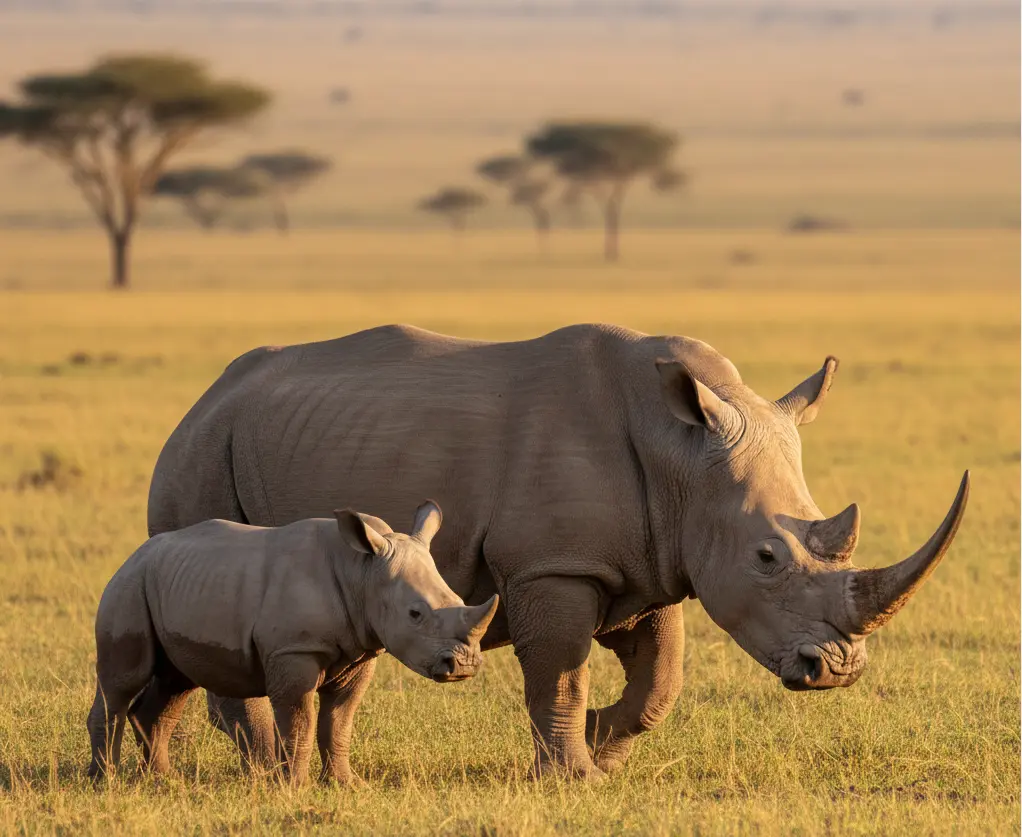
The concerted effort by KWS to protect this sanctuary has turned it into the best rhino safari 2026 can offer, especially for those looking for the “Big Five” experience within a day’s drive of the capital. Using these Hilmuks wildlife tips, you are now equipped to navigate the Naishi Shift, identify the species split, and time your drive for the ultimate photographic encounter.
Tracking these giants is only half the battle; the real advantage comes from positioning yourself at the best Lake Nakuru lodges for wildlife viewing to witness rhino movements during the restricted “after-hours” periods. Selecting a ridge-top base ensures you monitor the Naishi migration routes from your balcony before the park gates even open.
While density is high, the is Lake Nakuru worth it in 2026 verdict hinges on your total budget. This report weighs these rewards against current fees to help you finalize your itinerary.
💡 PRO TIP: The 24-Hour Exit Strategy– To get the most value from your entry fees, time your exit exactly 23 hours and 50 minutes after your first entry to squeeze in one last sunrise rhino patrol. To ensure your logistics are as sharp as your wildlife tracking, see our guide on Lake Nakuru National Park entry fees for the current 2026 payment windows, but that is not all…
Before you finalize your booking, you’ll need a base of operations that places you within striking distance of the southern plains. To avoid the long morning commutes from the northern gates, see our Lake Nakuru lodges guide to discover which lodges put you closest to the 2026 rhino action.
FAQs: Everything You Need to Know About Rhinos in Lake Nakuru
Why are they called White and Black rhinos if they are both gray?
The name “White” is a 2026 linguistic leftover from the Afrikaans word “wyd,” meaning wide—referring to the rhino’s square, wide mouth designed for grazing. “Black” was simply used to distinguish the other species, which has a hooked lip for browsing. In Lake Nakuru, you’ll notice both look identical in color, often covered in the same pale Rift Valley dust.
Is Lake Nakuru or Ol Pejeta better for seeing rhinos?
It depends on your timeline. While Ol Pejeta has the last Northern Whites, Rhinos in Lake Nakuru National Park are much easier to see on a tight schedule because the park is smaller and the animals are more habituated to vehicles. If you only have one day, Nakuru offers a near 100% sighting guarantee, whereas Ol Pejeta requires more driving distance to cover their larger territory.
If you prefer the expansive tracking experience of Laikipia over Nakuru’s compact borders, our Ol Pejeta Lake Bogoria Safari Itinerary provides the specialized logistics needed to bridge both worlds.
Can I see rhinos from my own car (Self-Drive)?
Yes, but you must be cautious. Unlike the social White Rhinos, the Black Rhinos in Nakuru are notoriously territorial and have been known to mock-charge vehicles that block their path. Always keep your engine running if a rhino is within 20 meters, and never park in a way that “boxes” the animal between your car and the thickets.
How many rhinos are currently in Lake Nakuru National Park?
As of 2026, the park hosts a thriving population of over 150 individuals. This includes approximately 80% Southern White Rhinos and 20% Eastern Black Rhinos. This density makes Nakuru one of the most successful breeding sanctuaries under KWS management.
Ready for the “Wet-Paw” Challenge?
Now that you’ve mastered the art of tracking rhinos on the Naishi Plains, you’ve conquered the ground—but in 2026, the most elusive secret of Lake Nakuru is actually happening 15 feet above your head. While the rhinos have moved to higher soil, the park’s prides have developed a rare “Wet-Paw” survival strategy that most tourists drive right under without noticing.
Before you head out, see our insider guide to spotting the tree climbing lions in Lake Nakuru to discover the specific acacia groves where these 400-pound cats spend their afternoons… but that is not all.