Email:
 Phone:
 WhatsApp:
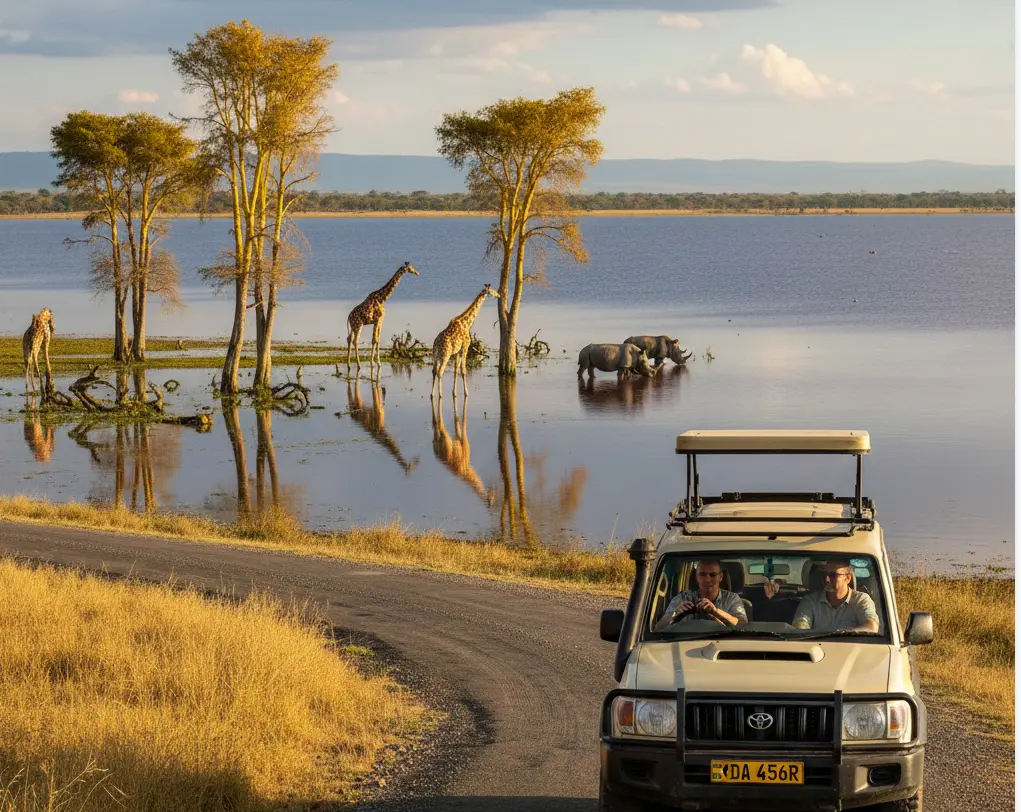
Hilmuks Quick Answer: Self-driving in Lake Nakuru is permitted and safe in 2026. You must follow a 40km/h speed limit, stay inside your vehicle at all times, and pay via eCitizen (cash is not accepted at gates). A 4×4 is highly recommended for the southern tracks near Nderit Gate.
2026 Vehicle Verdict: 2WD or 4WD?
Based on 2026 trail conditions, here is the short answer for your self-drive:
- 2WD (Saloon/Hatchback): Safe for the Northern & Western circuits (Main Gate to Baboon Cliff).
- 4WD / AWD (Crossovers): Highly recommended for the full lake circuit.
- True 4×4 (Land Cruiser/Prado): Mandatory for the Southern Plains (Nderit) and Makalia Falls.
Exploring Lake Nakuru behind your own wheel is the ultimate way to spot the park’s famous rhinos and tree-climbing lions on your own terms. But with KES 20,000 fines now being enforced for off-roading and shifting water levels affecting the 2026 road network, a successful Lake Nakuru self drive requires more than just a map.
Quick Guide: Jump to Your Section
Is Lake Nakuru safe for self-drive?
Yes, but safety in 2026 is defined by compliance and preparation. The park is compact and well-signed, making it ideal for independent travelers. However, the primary risks aren’t just the wildlife—it’s the shifting environment.
- The Mud Trap Factor: Recent 2026 water level rises have turned previously “2WD-friendly” tracks into deceptive mud traps. Stick strictly to the North-Western circuit if you aren’t in a 4×4.
- The Compliance Moat: Safety also means financial safety. KWS has increased patrols; off-roading or speeding (over 40km/h) now carries strictly enforced fines of up to KES 20,000.
- Emergency Readiness: Even the best drivers get stuck. If you find yourself high-centered or bogged down, do not exit the vehicle to push—this is a predator-rich environment. Instead, call the KWS Toll-Free Emergency Line at 0800 597 000.
⚠️ 2026 Recovery Alert
If you require a KWS tractor for vehicle recovery inside the park, the official 2026 fee is KES 10,500 per incident. This must be paid via eCitizen before the vehicle is released. To avoid this, stay on the hard-packed gravel and never drive onto the “white” salt flats near the water’s edge.
Beyond the physical risk of the terrain, many independent travelers underestimate the ‘Information Gap’ that exists when you don’t have a safari radio. While driving yourself offers unmatched privacy, the 2026 success rates for predators are significantly higher for those with professional spotters. If you are still weighing the costs of a rental vehicle versus the sighting guarantees of a pro, see our definitive Lake Nakuru safari: self-drive vs guided comparison to decide which style fits your 2026 budget and wildlife goals.
If you respect the wildlife distance rules (keep at least 20 meters from animals) and stay on designated tracks, a self-drive is the most rewarding way to experience the park’s rhino sanctuary.
The 2026 KWS Code of Conduct (Avoiding the KES 20,000 Fine)
When using this Lake Nakuru Self Drive Guide 2026, the most important thing to remember is that KWS has shifted from “educational warnings” to “strict enforcement.” In 2026, rangers are equipped with mobile payment trackers and digital surveillance to monitor compliance with the updated Lake Nakuru National Park rules and regulations.
🚗🛑The “Stay in the Car” Rule
Unless you are at a clearly marked designated viewpoint or picnic site, you must remain inside your vehicle. Even sitting on the roof or hanging far out of windows is technically a violation. Aside from the safety threat posed by rhinos and buffaloes, being caught outside your car results in immediate ejection from the park. To ensure you start your journey at a location where these rules are clearly posted and briefed, make sure you know which Lake Nakuru gate to use before you arrive—and importantly, ensure you enter through a gate that matches your vehicle type (2WD vs 4WD) to avoid getting stuck before your safari even begins.
🚫🚙Off-Roading Penalties
The temptation to “get closer” to a pride of lions or a rare black rhino is the most common cause of heavy fines in the park.
- The Penalty: Driving off the designated gravel or dirt tracks carries an on-the-spot fine of KES 20,000.
- The Reality: The 2026 water levels have made the soil near the shoreline extremely deceptive. Off-roading doesn’t just cost you money; it usually results in getting your vehicle stuck in deep, alkaline mud that requires an expensive KWS recovery tractor.
🦒↔️🚗The 20-Meter Wildlife Distance Rule
To maintain your status as a responsible self-driver, you must maintain a minimum distance of 20 meters from all wildlife.
- Right of Way: Animals always have the right of way. If a rhino or a giraffe is crossing the road, you must switch off your engine and wait.
- Harassment: Honking, revving your engine, or playing loud music is considered wildlife harassment and is strictly prohibited under the Lake Nakuru National Park rules and regulations.
Speed Limits & The “Tree Climbing Lions” Hack
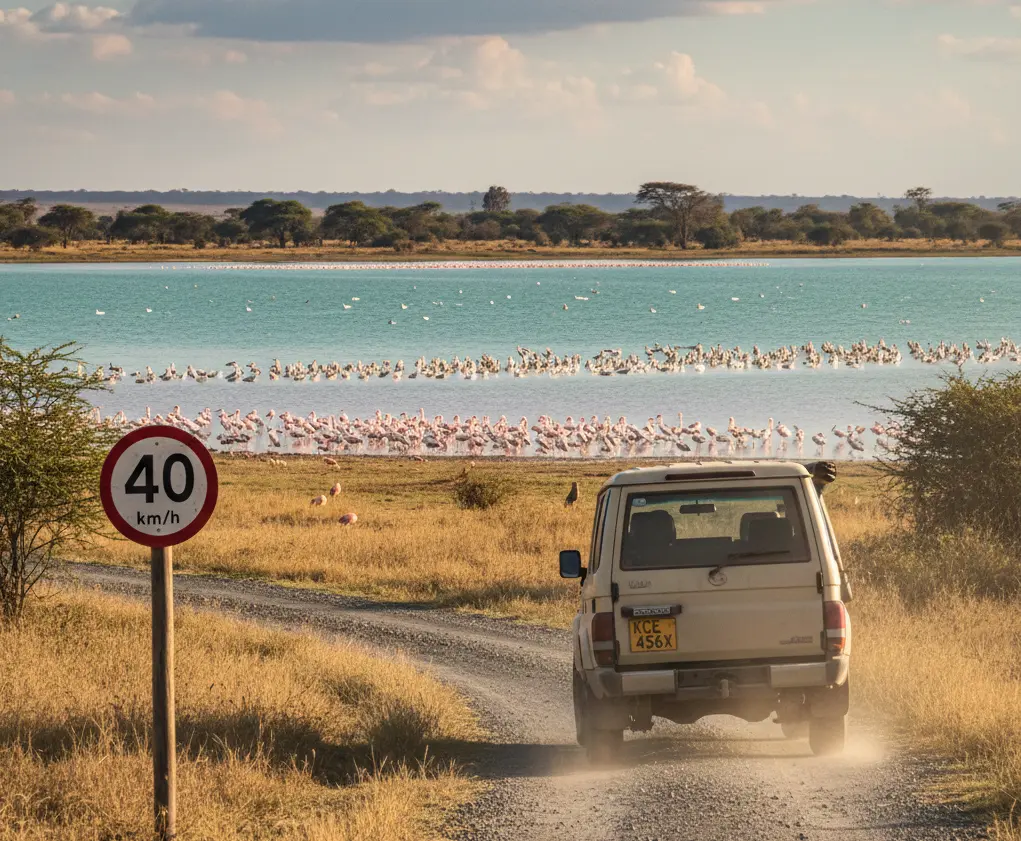
The maximum speed limit inside the park is 40 km/h (25 mph). While this might feel slow on the long stretches of the eastern circuit, KWS is increasingly strict about enforcement in 2026 to protect the high density of wildlife crossing the roads.
Why Speeding Costs You More Than a Fine
Exceeding the limit doesn’t just risk KWS speed limit fines in Kenya; it almost guarantees you will miss the park’s most elusive residents. Most travelers following a Lake Nakuru Self Drive Guide 2026 make the mistake of “racing” between the lake and the viewpoints, inadvertently scaring away wildlife before they even see it.
The “Tree Climbing Lions” Hack
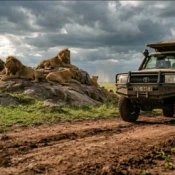
If you want to find the famous leopards or the rare tree-climbing lions of Lake Nakuru, you need to drop your speed even further—to 20 km/h—when driving through the acacia forests near Lion Hill or the “Out of Africa” lookout.
- Look Up, Not Out: Leopards in Nakuru are notoriously fond of the yellow fever trees. By driving at a crawl, you give your eyes time to scan the horizontal branches for a dangling tail or a resting paw.
- The 2026 Strategy: In the wet season, predators often descend to lower branches to escape the wind. Slower speeds allow you to spot them in the thickets where faster drivers would simply see a “wall of green.” If you want to maximize your chances, check out our guide on the best time to visit Lake Nakuru National Park for seasonal wildlife behavior tips.
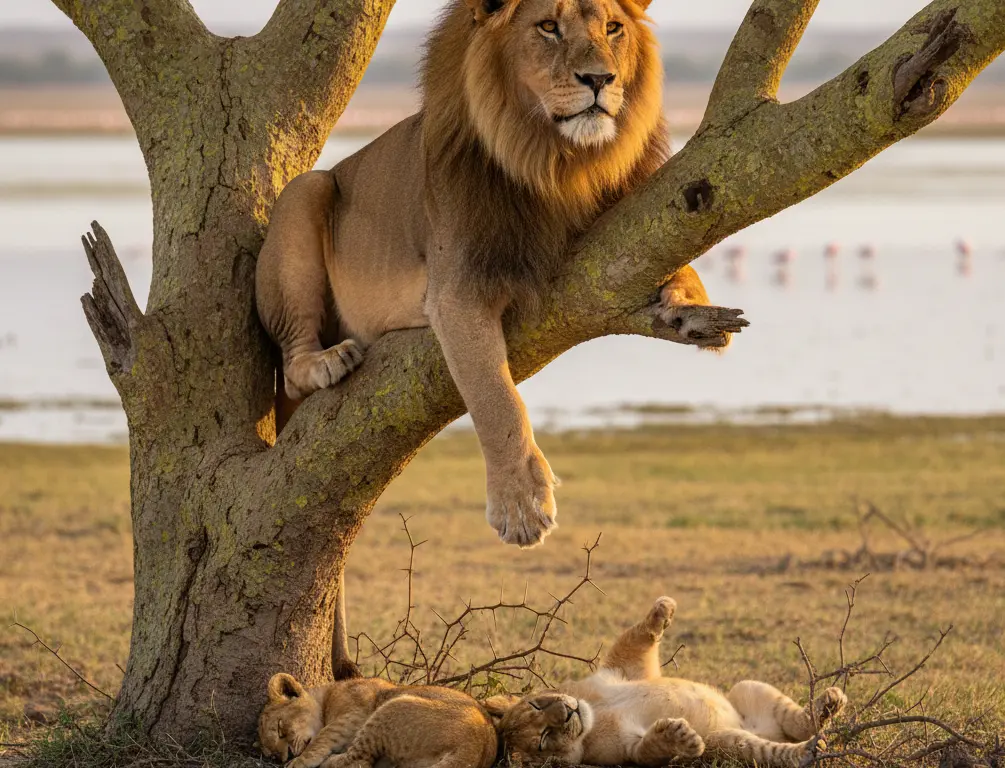
By sticking to these lower speeds, you aren’t just following the Lake Nakuru National Park rules and regulations 2026; you are significantly increasing your chances of a “Big Five” encounter.
Choosing the Best Vehicle for Lake Nakuru: 2WD vs. 4WD (2026 Comparison)
Choosing your route is the most critical part of your prep. While the park is famous for being accessible, the road conditions for a Lake Nakuru self-drive vary significantly based on your car’s clearance and drivetrain.
The “Fielder” Reality: Can you use a 2WD?
Yes. You do not need a massive Land Cruiser to see rhinos. Popular Kenyan cars like the Toyota Fielder, Toyota Axio, or Nissan Note can navigate the “Safe Circuit” with ease if you stick to the gravel.
2026 Vehicle Compatibility Matrix
| Vehicle Category | Popular Models in Kenya | Safe Zones | Risk Level |
| Budget 2WD | Fielder, Vitz, Note, Demio | Main Gate to Baboon Cliff | High (Stay on Gravel) |
| SUV / AWD | Rav4, X-Trail, Vanguard | Most North/West tracks | Medium (Watch for mud) |
| Full 4×4 | Land Cruiser, Prado, Hilux | Southern Plains, Makalia | Low (Go anywhere) |
🛠️Pro Tip: Choosing the right car is only half the battle. To avoid common mechanical failures in the Rift Valley mud, follow our Safari Survival Guide for inspecting 4WD engagement and tire tread.
The 4WD Required Zone (Southern Plains & Makalia)
As you head toward the Nderit Gate or Makalia Falls, the terrain changes. The southern plains consist of “black cotton soil.” In 2026, rising lake levels have permanently saturated these tracks.
⚠️The Warning: If you get stuck in a 2WD where “4WD Only” signs are posted, KWS may classify this as negligent driving, leading to a KES 10,500 recovery fee plus potential fines. If you’re coming from the south, ensure you check our guide on which Lake Nakuru gate to use to confirm if your vehicle can handle the approach roads.
Where Can You Safely Get Out of Your Car? (Designated Viewpoints)
A major component of any Lake Nakuru Self Drive Guide 2026 is knowing exactly where the “Stay in the Car” rule is relaxed. There are only a few authorized Lake Nakuru viewpoints and picnic sites where you can legally exit your vehicle to stretch your legs and take photos.
🐒Baboon Cliff Lookout
This is the most famous stop in the park, providing a panoramic view of the lake’s alkaline waters.
- The View: Perfect for wide-angle landscape photography.
- The Baboon Warning: Keep all windows rolled up and doors locked. In 2026, the baboons here have become highly skilled at opening unlocked car doors and snatching bags in seconds. Do not feed them; it carries a heavy fine and encourages aggressive behavior.
🦁Out of Africa (Lion Hill) Lookout
Named after the famous film, this viewpoint is located on the eastern side of the park.
- The View: It offers a higher elevation than Baboon Cliff, making it the best spot for scanning the southern plains for rhinos using binoculars.
- Safety: While designated as safe, always stay within the cleared perimeter of the lookout.
⛰️Lion Hill Ridge & Picnic Sites
There are small, designated areas along the ridge where you can pause for a bush meal.
- 💡Self-Drive Tip: Before you step out, do a full 360-degree scan of the immediate area and nearby trees. Predators often use the shade near these sites during the heat of the day.
If you are planning a multi-day trip that includes these stops, our 2 Days Lake Nakuru & Lake Naivasha Safari itinerary provides a perfectly timed route that ensures you reach these viewpoints during the best lighting.
Prohibited Gear: Drones, Plastic, and Noise
To maintain its status as a premium sanctuary, KWS enforces a zero-tolerance policy on specific gear that disrupts the ecosystem. Ignoring these Lake Nakuru National Park rules and regulations 2026 can lead to heavy fines or the confiscation of your equipment at the gate.
🚁The Drone “Surprise” Fee
Many creators arrive hoping to capture aerial shots of the pink shoreline, but the sky is strictly guarded.
- The Rule: Recreational drone flying is prohibited. For professional use, you must have both KCAA (Kenya Civil Aviation Authority) authorization and a KWS permit.
- The Cost: The 2026 rate is KES 5,000 per day for East African Citizens/Residents and USD 300 for Non-Residents. Both require KCAA authorization.
- The Penalty: Flying a drone “secretly” is nearly impossible due to the park’s acoustic monitoring and ranger patrols. Unauthorized drones are confiscated on the spot, and the operator may face legal charges.
🚫🥤Single-Use Plastic Ban
Lake Nakuru is a “Plastic-Free Zone.” This is part of a national directive to protect wildlife—especially birds and rhinos—from ingesting waste.
- Prohibited Items: Disposable water bottles, plastic straws, and single-use food containers are not allowed past the gate.
- The Self-Drive Hack: Switch to reusable stainless steel or BPA-free bottles before you arrive. If you bring snacks, use beeswax wraps or reusable silicone bags. Rangers at the Main Gate often conduct vehicle inspections for plastic bags.
🛡️ OPERATOR INSIGHT: The 2026 plastic-free mandate is strictly enforced via random vehicle searches at the Main and Lanet gates. To avoid having your snacks confiscated or facing a compliance delay, check our Lake Nakuru Safari Packing List for the specific reusable gear and eco-friendly storage solutions we recommend for self-drive travelers.
🔇Noise and Disturbance
The tranquility of the park is legally protected. Loud music, shouting, or imitating animal sounds is strictly forbidden.
- The Penalty: “Disturbing the peace of the wildlife” carries an immediate fine.
- Tip: If you are traveling as a group, keep voices low at viewpoints like Baboon Cliff to avoid agitating the nearby primates.
If you are worried about the logistics of these 2026 mandates, checking our Lake Nakuru National Park Entry Fees guide will give you a clear breakdown of all activity-related costs so there are no surprises at the gate.
Lake Nakuru Self-Drive FAQs
Which car is good for rough use in Lake Nakuru?
If you are renting for “rough use,” the Toyota Prado is the gold standard. It offers the high ground clearance needed for the “Out of Africa” lookout without the extreme daily cost of a full Safari Land Cruiser.
Can I use my ‘Uber’ car for a safari?
If your car is a 1300cc–1500cc hatchback (like a Vitz), you can drive to Baboon Cliff. However, do not load the car with more than 4 adults, as the low clearance will cause the car to “bottom out” on the speed bumps near the rhino sanctuary.
What is the best time to enter the park?
To maximize spotting, aim to be at the gate by 6:15 AM. Check our guide on the Best Time to Visit Lake Nakuru National Park for seasonal wildlife patterns.
Conclusion: The “Before You Turn the Key” Checklist
A successful safari depends on what you do before you reach the gate. To ensure your trip matches the expertise in this Lake Nakuru Self Drive Guide 2026, use this final checklist to handle the technical and logistical hurdles of the 2026 season.
1. Fuel & Provisions: Fill Up in Town
There are no petrol stations inside the park. If you are entering via the Lanet Gate, fill your tank at the Shell or Hass stations in Lanet (both 24-hour). If using the Main Gate, Nakuru City has ample options, but the downtown traffic can be heavy—aim to refuel by 6:30 AM to beat the rush.
- 💡Self-Drive Tip: Since the drive from Nairobi to Nakuru now takes 3–4 hours due to Rironi highway construction, we recommend refueling in Nakuru town rather than hoping your tank lasts from the city. Carry at least 5 liters of extra drinking water. The only canteen is near the Main Gate, and prices are significantly higher than in Nakuru City.
2. Offline Navigation: Don’t Rely on Signal
Network coverage is “patchy” near the southern shoreline and within the dense acacia forests.
- The Strategy: Download an offline area in Google Maps specifically for the “Nakuru County” region or use Maps.me.
- The Benefit: This allows you to track your real-time GPS location even with zero bars of signal, ensuring you don’t accidentally wander onto a 4WD-only track in a 2WD vehicle.
3. eCitizen Receipt & QR Verification
The Lake Nakuru National Park rules and regulations 2026 mandate a valid QR-coded permit for every visitor.
- 🔄The Sync Issue: Sometimes the eCitizen portal debits your M-Pesa but takes minutes to generate the QR code. Never leave Nakuru town until you have the PDF or a screenshot of your ticket. * Troubleshooting: If your payment is “Pending,” use our How to Pay Lake Nakuru Park Fees on eCitizen guide to find the manual verification steps so you aren’t stuck at the gate.
4. Gate Hours & Timing
Operating hours for Lake Nakuru National Park rules and regulations 2026 are strictly 6:00 AM to 6:00 PM. For self-drive travelers, the “Golden Rule” is to start heading toward your exit by 5:30 PM. Navigating the park in the dark is prohibited, and failing to clear the gate by 6:00 PM can result in heavy fines or being required to pay for an additional day’s entry.
- Arrival Strategy: Aim to be at the gate by 6:15 AM to maximize your chances of spotting leopards and rhinos before the midday heat.
- Gate Selection: While the Main Gate is busiest, the Lanet Gate is often faster for those coming from the highway.
Balancing these strict exit times against the park’s shifting high-water tracks requires a transition from random exploration to a structured multi-day sequence. Integrating your drive into a professional 2-day Lake Nakuru safari itinerary eliminates the risk of “Gate Deadlock” by aligning your route with the 2026 predator activity peaks. This systematic approach ensures you capitalize on the 24-hour permit validity without the stress of racing against the 6:00 PM siren.
🗺️ Planning the Ultimate Kenya Circuit?
Most travelers pairing Lake Nakuru with other parks follow the Great Rift Valley route. If you are heading south or east next, don’t miss our practical operator-led guides:
- Heading to the Mara? See our 3-Day Masai Mara Safari Guide for the best 2026 route from Nakuru.
- Chasing Kilimanjaro Views? Check out the 3-Day Amboseli Safari Itinerary for park fees and travel tips.