Email:
 Phone:
 WhatsApp:

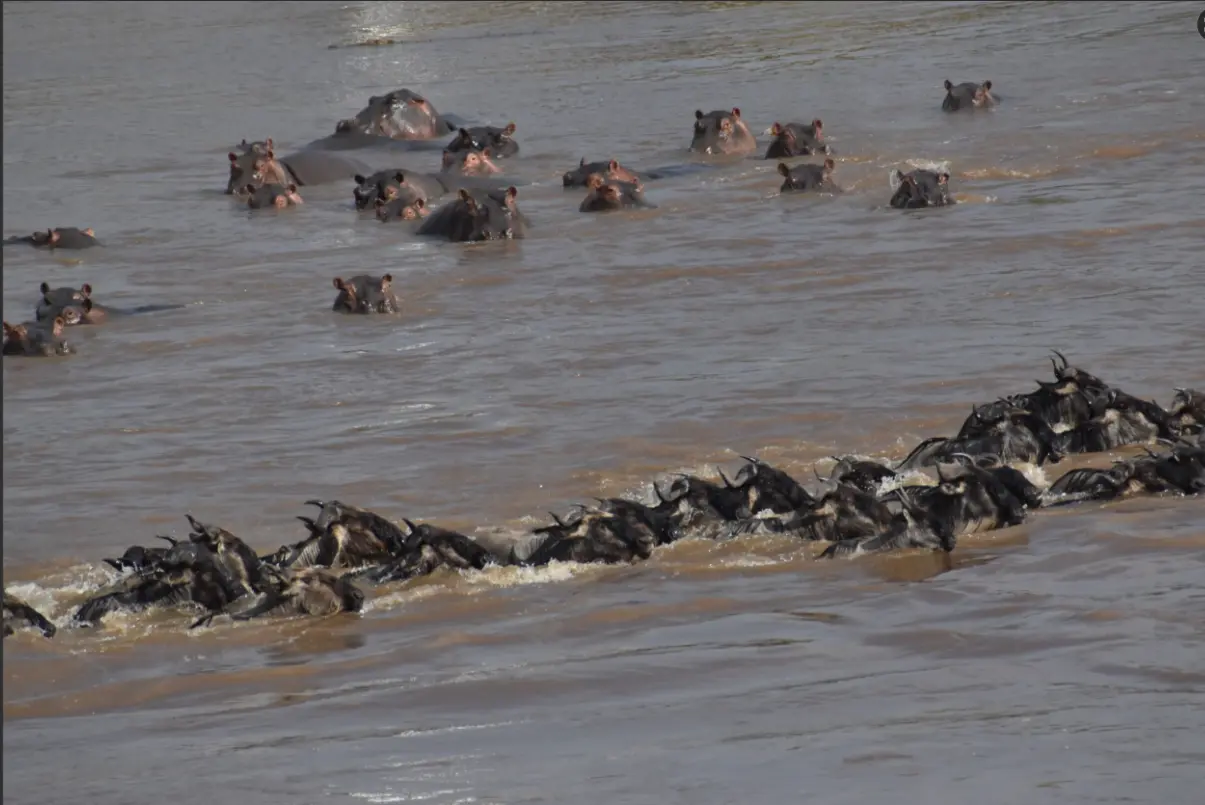
The Masai Mara National Reserve versus conservancy decision is the single most consequential booking choice a Mara safari visitor makes — and it is the one most commonly made without understanding that staying in a conservancy and watching the wildebeest river crossing are two financially separate activities.
Wildebeest river crossings during the Great Migration happen exclusively inside the Masai Mara National Reserve. No private conservancy houses the Mara River crossing points. Guests staying in a conservancy must travel into the National Reserve and pay the full daily reserve entry fee separately to witness the crossings.
Evans Kimojino, a Mara-based safari guide and Hilmuks ground partner with 1,300+ documented wildlife sightings, has managed client itineraries across the National Reserve and every major private conservancy in the ecosystem. His most consistent client surprise: the double-payment reality that no booking confirmation or travel brochure mentions clearly.
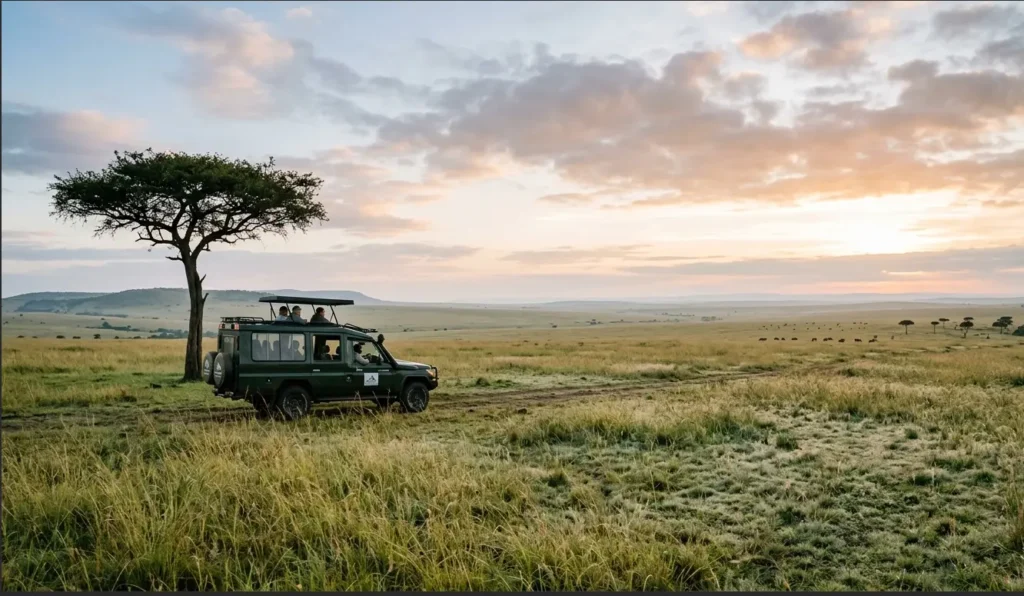
Most safari booking platforms present the reserve and conservancies as equivalent options at different price points. They are not equivalent. They are different governance structures with different fee systems, different permitted activities, different vehicle rules, and different access to the migration’s most dramatic moments. This guide covers all four differences specifically.
QUICK COMPARISON TABLE
|
Factor |
Masai Mara National Reserve |
Private Conservancies |
|
Ownership |
Narok County Government |
Private operators and Maasai communities |
|
Entry fee |
$100 low season, $200 peak season per day |
Included in camp rate + separate reserve fee for crossings |
|
Double fee for migration |
No — crossings happen here |
Yes — must pay reserve fee on top of conservancy fee |
|
Driving hours |
6:00 AM to 6:00 PM strictly |
Unlimited including night drives |
|
Off-road driving |
Strictly prohibited |
Permitted for specific wildlife sightings |
|
Walking safaris |
Not permitted |
Permitted |
|
Night game drives |
Not permitted |
Permitted |
|
Self-drive |
Permitted within rules |
Not permitted — guided only |
|
Vehicle cap per sighting |
Uncapped — 200+ at peak crossings |
Maximum 3 to 5 vehicles |
|
Migration river crossings |
Happen here exclusively |
Must enter reserve and pay separately |
|
Privacy |
High vehicle density |
Maximum exclusivity |
Quick Navigation-Jump to Your Section
The Quick Verdict — Which One Actually Suits Your Safari Goals
Choosing between the Masai Mara National Reserve vs private conservancy in 2026 is not about deciding which option is inherently better. It is about matching the governance, access rules, and cost of each area to your direct wildlife objectives.
When the National Reserve is the Right Choice
If witnessing the Great Migration river crossings is your absolute priority, the National Reserve is your only choice. The Mara River crossing points fall entirely within the public reserve boundary, meaning no private conservancies contain these action-packed sites.
The National Reserve is also the practical choice for travelers visiting on a fixed budget. Instead of paying both a conservancy conservation fee and a separate day entry ticket to visit the river, you pay a single daily Narok County fee. This covers your access to the Big Five, the migration herds, and all daytime game drives.
Furthermore, if you are driving yourself, the reserve is your only option. Private conservancies do not permit self-drive travelers and strictly require guided excursions.
When a Conservancy is the Right Choice
If your priorities are absolute privacy, low vehicle density, and premium safari activities, a private conservancy delivers experiences the National Reserve cannot legally provide. These surrounding Maasai community lands allow for night game drives, walking safaris alongside armed rangers, and controlled off-road driving for major cat sightings.
For wildlife photographers, the difference is night and day. Conservancy rules enforce a hard cap of three to five vehicles per animal sighting, meaning you can park close to a predator without competing for sightlines against a hundred other cars.
The Hilmuks Strategy
The ideal safari strategy for most clients combines both options. We recommend spending two nights inside the National Reserve to focus exclusively on migration river crossings, followed by three nights in a private conservancy for exclusive tracking, night drives, and walking safaris. This prevents double-fee exposure while giving you the best of both worlds.
🛡️ OPERATOR INSIGHT: The single biggest mistake self-drive travelers make is driving through a conservancy gate thinking it is a shortcut to the reserve. Without a valid guided booking, conservancy rangers will turn you back, costing you precious morning game-drive time. To avoid these logistical traps, review our complete tactical breakdown on the Masai Mara self drive vs guided comparison.
Now that we have balanced the ground rules for your safari goals, let’s unpack the financial realities that travel agents rarely mention before you book.
The Double-Taxation Trap — The Cost Reality No Brochure Mentions
Evans confirms the most consistent financial surprise that travelers encounter: staying in a private conservancy does not grant you automatic access to the National Reserve. If you book a conservancy camp and want to see the Great Migration river crossings, you must pay the full Narok County reserve entry fee on top of your conservancy fees. This double payment is completely real, heavily impacts your overall budget, and is absent from nearly every travel brochure.
The Mechanics of the Double Fee
Conservancy conservation fees are paid directly to the private conservancy management, which operates in partnership with local Maasai communities. These fees fund local community initiatives and land leases that keep the plains open for wildlife rather than agriculture. However, they do not include any legal entitlement or access rights to the public National Reserve.
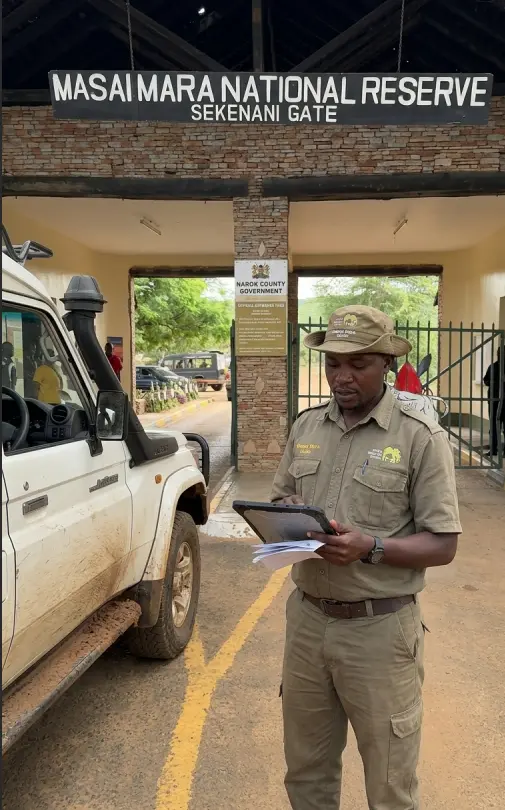
The National Reserve entry fee—set by the Narok County Government at $100 per non-resident adult during the low season (January to June) and $200 during the peak season (July to December)—is an entirely separate transaction. For a guest staying in a private conservancy who enters the reserve for three consecutive days during peak migration season, the additional cost totals $600 per person.
The 12-Hour Rule in This Context
Unlike other Kenyan parks that operate on a 24-hour validity cycle, the Masai Mara strictly enforces a 12-hour calendar-day ticket validity from 6:00 AM to 6:00 PM. If a conservancy guest crosses into the reserve at 3:00 PM to catch an afternoon river crossing, they pay the full seasonal fee for just three hours of access. Our team carefully coordinates morning crossings to ensure clients maximize their single-day ticket value right from dawn.
🛡️ OPERATOR INSIGHT: Because your KWS eCitizen account cannot be used to pay Narok County fees, travelers often waste hours at the gate. To protect your time and avoid double-paying for the same calendar day, review the Masai Mara park fees payment guide.
Understanding how the double fee applies clarifies why the migration decision is closely tied to your choice of location. Let us now look at the specific geographical points where the crossings take place.
The Migration Question — Why River Crossings Happen Inside the Reserve and Nowhere Else
The physical geography of the Greater Mara ecosystem explains why watching the Great Migration crossings is not a flexible option when it comes to your location. The entire length of the Mara River—the stage for the dramatic, crocodile-infested wildebeest crossings—runs completely inside the public boundaries of the Masai Mara National Reserve.
Famous crossing locations such as Kichwa Tembo, Little Governor’s, Serena, the Lookout, and the Sand River confluence are all located within the public reserve. Not a single private conservancy contains or directly borders these iconic crossing points. To see the herds plunge into the water, you must be positioned inside the public reserve.
🛡️ OPERATOR INSIGHT: If you want to understand the exact movement of the herds from the Serengeti up to the riverbanks, read our Great Migration Masai Mara complete operator’s guide. This operator breakdown clarifies seasonal paths, peak herd movements, and exact crossing windows to help you plan your travel dates accurately.
The Vehicle Access Rule
Our lead guide notes a distinct operational asymmetry between the two areas. Vehicles and professional guides based in the private conservancies can cross into the National Reserve freely to view the migration, provided the guests pay the Narok County day entry fee. Conversely, regular public reserve vehicles and their tour operators are strictly barred from entering private conservancies.
This one-way boundary line gives conservancy guests more total access to the ecosystem, but only if they are prepared to pay the double-fee cost.
The Practical Implication for Migration Planning
A client staying in a conservancy who wants to witness a 7:00 AM river crossing cannot just drive up to the riverbank. You must leave your camp in the conservancy, travel to a reserve gate, and clear the daily entry fee before reaching the river.
Depending on whether you are staying in the northern conservancies or right on the border, this transit can take anywhere from 30 to 60 minutes. Our ground team structures your departure times to ensure you reach the water’s edge early in the morning, rather than arriving mid-morning with hours of your daily ticket already gone.
With the migration geography clearly defined, the comparison shifts to what each option provides when the migration is not the primary focus—the daily activities, permitted hours, and wildlife experience quality.
Activities and Rules in 2026 — What Each Option Permits and Prohibits
Your daily routine, game drive flexibility, and overall freedom of movement depend heavily on the distinct legal parameters enforced in the territory you choose. When comparing the Masai Mara National Reserve vs Conservancy, you will find that the public reserve and the surrounding private community lands operate under entirely different governance models. These rules dictate exactly what you can do and when you must be back at camp.
National Reserve Rules: Daytime Savannas Only
The public Masai Mara National Reserve operates under strict statutory rules managed by the Narok County Government. These guidelines prioritize predictable ecosystem management and uniform access for all visitors.
- Operating Hours: Strictly 6:00 AM to 6:00 PM with no exceptions. Any vehicle found moving within the reserve past 6:00 PM faces immediate citation and heavy financial penalties from the county rangers.
- Track Restrictions: No off-road driving is permitted; vehicles must remain on designated, marked tracks at all times.
- Prohibited Activities: Walking safaris and night game drives are strictly illegal within the reserve boundaries.
- Self-Drive Access: Permitted for travelers using their own or rented vehicles, provided they adhere to all track and timing regulations.
Private Conservancies: Maximum Flexibility
Private conservancies operate on a community-lease model that allows for more tailored wildlife activities away from the public crowds. This specialized governance allows for experiences that are physically impossible to legally conduct inside the National Reserve.
- Unlimited Operating Hours: Game drives can begin before dawn and continue well after dark since there are no municipal gate closure times.
- Night Game Drives: Permitted with a professional guide using infrared spotlights to track nocturnal predators.
- Bush Walks: Guided walking safaris with armed Maasai rangers are permitted, offering a ground-level view of the ecosystem.
- Off-Road Access: Guided by specific Masai Mara conservancy rules, off-roading is permitted for unique wildlife tracking to ensure high-quality sightings.
The Self-Drive Distinction
If you plan to navigate the Mara behind your own wheel, the National Reserve is your only functional option. Conservancies are strictly guided-access only; self-drive travelers are not permitted to enter the private trail networks without a resident camp guide.
Ultimately, the choice depends on your priorities: a client who values night tracking and walking safaris is better served by a conservancy. Conversely, those seeking migration crossings and self-drive freedom will find the reserve more suitable, though many of our clients opt for a hybrid itinerary to minimize double-fee exposure.
Operating hours and permitted activities favor the conservancies for variety. However, vehicle density and sighting quality are where the difference becomes most visible once you are actually on the ground.
Vehicle Caps and Crowd Reality — 5 Vehicles Versus 200
The practical gap in a Masai Mara National Reserve vs Conservancy comparison is most visible at the scene of a wildlife sighting. How your safari feels—whether it is a private moment with a predator or a crowded event—is determined by the vehicle management regulations enforced by regional rangers on the ground.
The Conservancy Cap: Exclusivity by Law
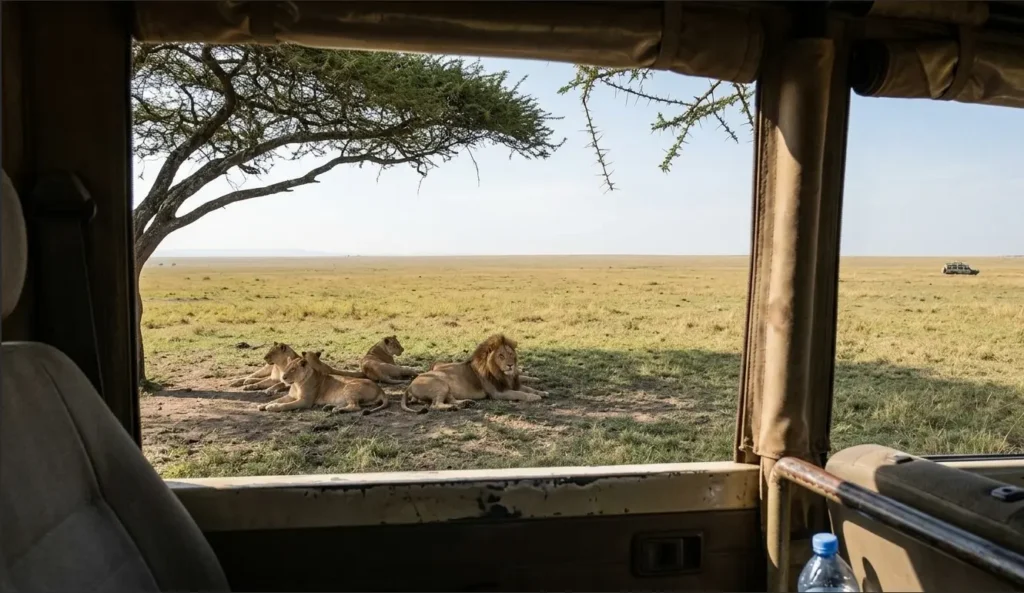
In the private properties, rangers enforce a strict limit of exactly 3 to 5 vehicles per sighting. Evans confirms this is not a loose guideline; rangers physically direct vehicles away from sightings that have reached the cap to maintain animal welfare and guest privacy. This allows for a near-silent experience where you can often park off-track within meters of the animal under the specific Mara North Conservancy vs Masai Mara National Reserve management protocols.
The Reserve Reality at Crossings
During the peak migration months of August and September, the public reserve operates under a high-density reality that no private land can match. At major crossing points along the Mara River, our ground team has consistently observed more than 200 vehicles converging at the water’s edge simultaneously. The experience is loud and visually cluttered with vehicles in every background frame, though the sheer scale of the crossing often overrides the surrounding crowd.
A Masai Mara Balloon Safari 2026 bypasses these ground-level vehicle caps entirely, offering a panoramic view of the river crossings far above the congested 200-car riverbank “circus.”
Sighting Density Outside of Peak Season
Outside the peak migration window, the vehicle density inside the National Reserve drops significantly. During non-peak months, popular big cat sightings usually attract between 10 and 20 vehicles, making the experience perfectly manageable for most travelers. While it does not match the 5-vehicle maximum of the private lands, the “traffic” is largely localized to the high-demand migration months.
The Photographer’s Verdict
For serious wildlife photography, the conservancy’s vehicle cap consistently produces cleaner background frames and better positioning access without the pressure of other vehicles moving in. However, the reserve is the only place to capture the high-stakes, dramatic action of a river crossing that no private property can replicate. We recommend choosing your territory based on whether you prioritize “the shot” or “the scale.”
🛡️ OPERATOR INSIGHT If you are planning an itinerary that includes both high-action crossings and intimate photography, the logistics of moving between these zones can be complex. See our 3-Day Masai Mara Safari from Nairobi: A Practical, Operator-Led Guide to learn more on how to coordinate your transit between the reserve and the conservancies to maximize your game viewing time in 2026.
Understanding the vehicle reality helps frame the individual conservancy profiles—knowing that each location below operates with a 5-vehicle maximum changes how you evaluate your accommodation options.
The Major Masai Mara Conservancies at a Glance in 2026
When evaluating the Masai Mara National Reserve vs Conservancy model, the specific region you choose dictates your wildlife density and privacy levels. According to the official registry of the Maasai Mara Wildlife Conservancies Association (MMWCA), there are distinct properties that offer a tailored alternative to the public reserve.
Premier Predator Territories
- Mara North Conservancy (MNC): Spanning 74,000 acres, this partnership between operators and landowners is a high-density predator stronghold. In the Mara North Conservancy vs Masai Mara National Reserve debate, MNC often wins for guests seeking consistent, productive leopard and lion tracking.
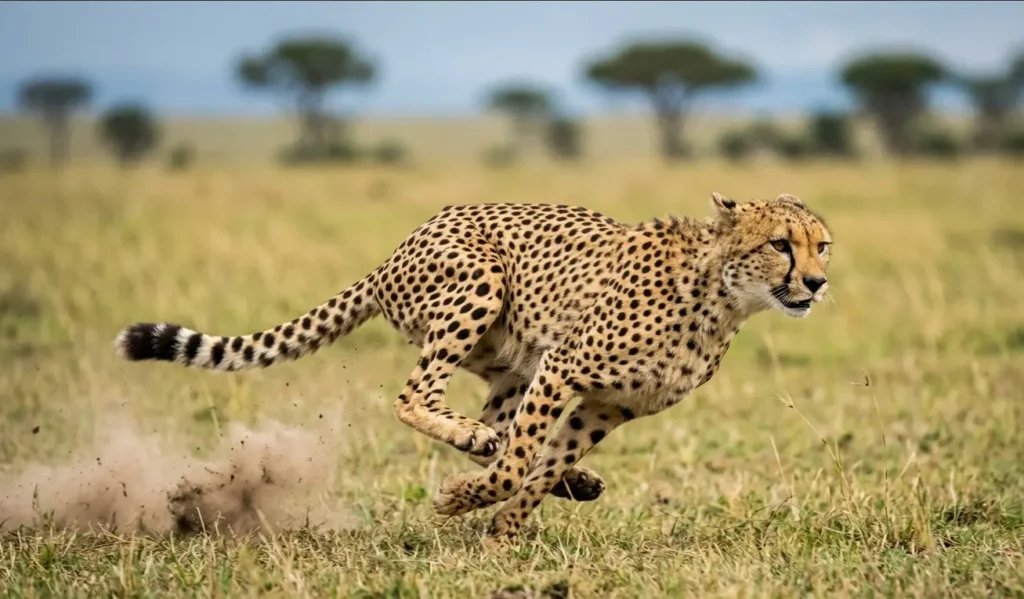
- Mara Naboisho Conservancy: This 50,000-acre zone is famous for its massive lion prides and is a top-tier choice for walking safaris. It sits strategically adjacent to Olare Motorogi, creating a vast, unfenced corridor for wildlife movement.
- Olare Motorogi Conservancy: Renowned for its premium exclusivity, this area maintains one of the highest wildlife-to-visitor ratios in Africa. The scenic Ntiakitiak River provides a stunning backdrop for elite big cat sightings.
Heritage and Conservation Leaders
- Ol Kinyei Conservancy: This holds the historical distinction of being the first community-owned conservancy in the ecosystem. It remains one of the most intimate options, often boasting even lower vehicle density than its neighbors.
- Enonkishu Conservancy: Located on the northernmost edge, this area focuses on a “rangeland” model where sustainable cattle grazing and wildlife coexist. It is an essential stop for those interested in regenerative conservation.
- Pardamat Conservation Area: This is a vital geographical “bridge,” protecting the corridors that allow animals to migrate between the reserve and the broader ecosystem.
- Olderkesi Wildlife Conservancy: Situated in the remote southwest, this is the place to go if you want to disappear from the main tourist circuits entirely.
Community and Cultural Strongholds
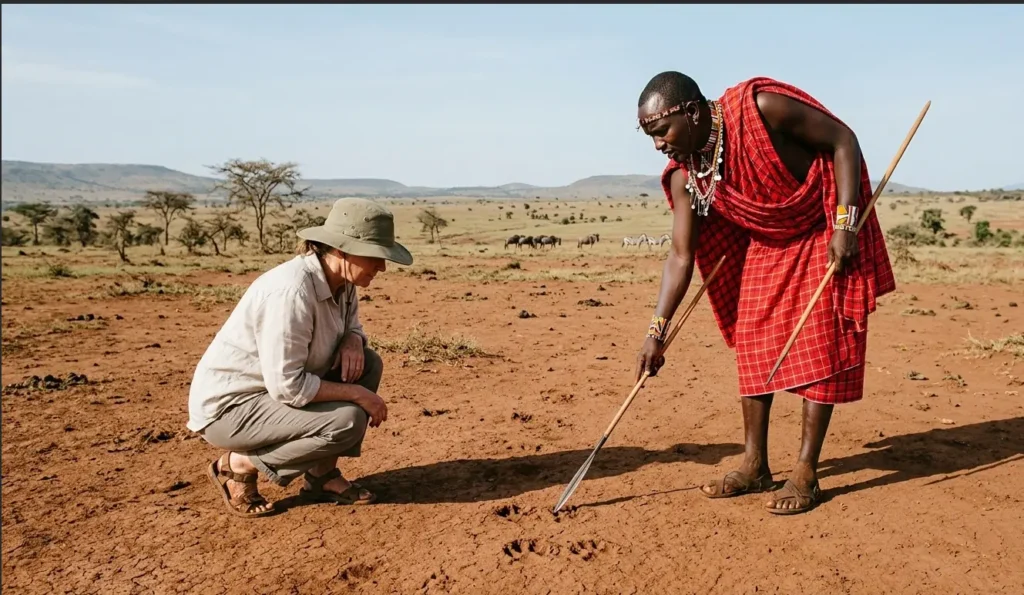
- Nashulai Maasai Conservancy: This is a unique, community-led project that integrates traditional Maasai life with wildlife protection. It is our top recommendation for travelers who value deep cultural interaction alongside their safari.
- Mara Siana Conservancy: Located on the eastern flank, Siana offers excellent positioning for those who want conservancy privacy but need quick access to the reserve for migration river crossings.
- Lemek Conservancy: Nestled near the Mara River, Lemek is a reliable spot for resident big cat populations and provides a classic Mara landscape.
- Ripoi and Olarro Conservancies: These newer and restoring areas, such as Ripoi and the dual-zone Olarro, are emerging as “hidden gems” for those seeking quiet, less-established corners of the Mara.
With all twelve conservancies profiled, the final question is how to combine reserve and conservancy access into a practical itinerary that delivers both the migration spectacle and the exclusive wildlife experience.
The Hilmuks Verdict 2026 — How to Plan a Split-Stay Itinerary
Deciding on the Masai Mara National Reserve vs Conservancy debate depends entirely on your travel dates and specific wildlife priorities. There is no one-size-fits-all answer, but there is a clear strategic choice based on how the 2026 migration is moving.
When to Choose the National Reserve Only
If the Great Migration river crossings are your absolute priority and you need to contain your budget within a single daily fee structure, the National Reserve is your best move. This is also the only choice if you are self-driving or if your stay is limited to three days or fewer, where every daylight hour must be dedicated to reaching the crossing points. You get the full daytime game drive experience and the Big Five without the added logistics of moving between different management zones.
When to Choose a Private Conservancy Only
A conservancy-only stay is ideal if you are visiting outside the migration months (late October to June) and the river crossing spectacle is not your primary goal. This option is for travelers who prioritize exclusive activities like night game drives and walking safaris over broad landscape access. If your photography goals require clean backgrounds and close-range tracking without the interference of public crowds, the conservancies provide the necessary privacy.
The Recommended Split-Stay Sequence
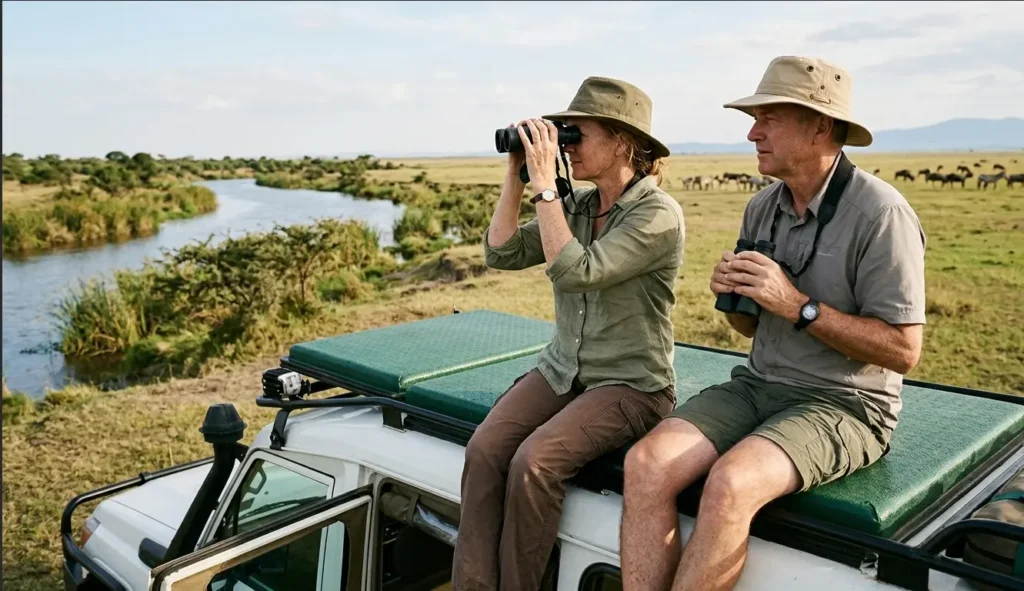
Evans consistent field recommendation for clients with five or more days is to split the stay. We recommend booking two nights in the National Reserve to focus intensely on the migration crossings, followed by three nights in a private conservancy like Mara North Conservancy or Naboisho for exclusive predator tracking and night drives. This sequence ensures you witness the “Seven Natural Wonders” spectacle first, then transition into a more intimate, private African experience.
Financial Planning Reality
For the split-stay approach, you must budget explicitly for reserve entry fees on any day you choose to cross over from the conservancy. At Hilmuks Safaris, we calculate these costs transparently during the booking phase so there are no surprise gate payments. This double-payment structure is the cost of absolute access, but when planned correctly, it ensures you don’t miss the migration drama while still enjoying the tranquility of the private lands.
Our guides extensive field experience across every conservancy and hundreds of migration days confirms one thing: neither option alone captures everything the Mara offers in 2026. The reserve gives you the greatest wildlife spectacle on Earth, while the conservancy gives you Africa without the crowd. A professionally planned itinerary simply gives you both.
Conclusion on Masai Mara National Reserve versus Conservancy Debate
The Masai Mara National Reserve versus conservancy choice is not a question of which is better — it is a question of what you are planning to do on each day. The reserve gives you the river crossings, the self-drive freedom, and the complete migration access at one daily fee. The conservancy gives you the exclusivity, the night drives, the walking safaris, and the intimate wildlife encounters that the reserve’s structure cannot provide. Hilmuks Safaris guide has one standing recommendation for clients with time to spare: plan for both, budget for the double fee honestly, and let the Mara deliver everything it is capable of.
FAQs — Expert Answers on Masai Mara Reserve vs Conservancy 2026
What is the difference between Masai Mara National Reserve and a conservancy?
The Masai Mara National Reserve is a public protected area managed by the Narok County Government with a daily entry fee of $100 to $200 per non-resident adult. Private conservancies are independently managed areas surrounding the reserve, operated by private companies and Maasai communities. The reserve houses the Mara River crossing points for the Great Migration. Conservancies offer greater exclusivity, night game drives, walking safaris, and a maximum of 3 to 5 vehicles per wildlife sighting.
Do you need to pay twice if you stay in a conservancy and visit the reserve?
Yes. A conservancy conservation fee is paid to the private conservancy management — this does not include access to the National Reserve. If you want to cross into the reserve to watch the Great Migration river crossings, you must pay the full Narok County reserve entry fee separately — $100 during low season and $200 during peak season per person per day. This double-payment reality is rarely explained clearly in booking confirmations or travel brochures.
Where do the wildebeest river crossings happen — reserve or conservancy?
Wildebeest river crossings happen exclusively inside the Masai Mara National Reserve. The Mara River crossing points are all within the public reserve boundary. No private conservancy houses a river crossing point. Guests staying in a conservancy must travel into the reserve and pay the daily reserve entry fee separately to witness the crossings.
Which is better for the Great Migration — reserve or conservancy?
For the river crossings themselves, the National Reserve is the only option — crossings do not happen inside conservancies. For the broader migration experience including exclusive predator tracking, walking safaris, and night game drives without 200-vehicle crowds, a private conservancy provides superior conditions. The best migration itinerary combines both — reserve access for crossing days, conservancy for exclusive wildlife experiences.
Can you do night game drives in the Masai Mara National Reserve?
No. The National Reserve operates strictly from 6:00 AM to 6:00 PM with no exceptions. Night game drives are only available in the private conservancies surrounding the reserve. Walking safaris are also prohibited in the reserve — both activities are permitted in conservancies as part of their flexible management structure.
How many vehicles are allowed per sighting in Mara North Conservancy?
Mara North Conservancy, like other private conservancies in the Mara ecosystem, enforces a strict cap of 3 to 5 vehicles per wildlife sighting. Rangers physically direct vehicles away from sightings that have reached the limit. By comparison, the National Reserve has no vehicle cap at sightings — during peak migration season, more than 200 vehicles can converge on a single Mara River crossing point.
What is the best conservancy in Masai Mara?
The best conservancy depends on your priority. Mara North Conservancy is renowned for high predator density and big cat sightings. Olare Motorogi Conservancy is the most exclusive with maximum wildlife-to-visitor ratios. Ol Kinyei is the original community-owned conservancy with the lowest vehicle density. Nashulai Maasai Conservancy is best for clients wanting genuine cultural integration alongside wildlife. Hilmuks Safaris advises on the specific conservancy best suited to your itinerary, dates, and photography or wildlife priorities.