Email:
 Phone:
 WhatsApp:

RIP Lion Kiminati: What the Death of a Mara Legend Teaches Us About Safari Safety in 2026
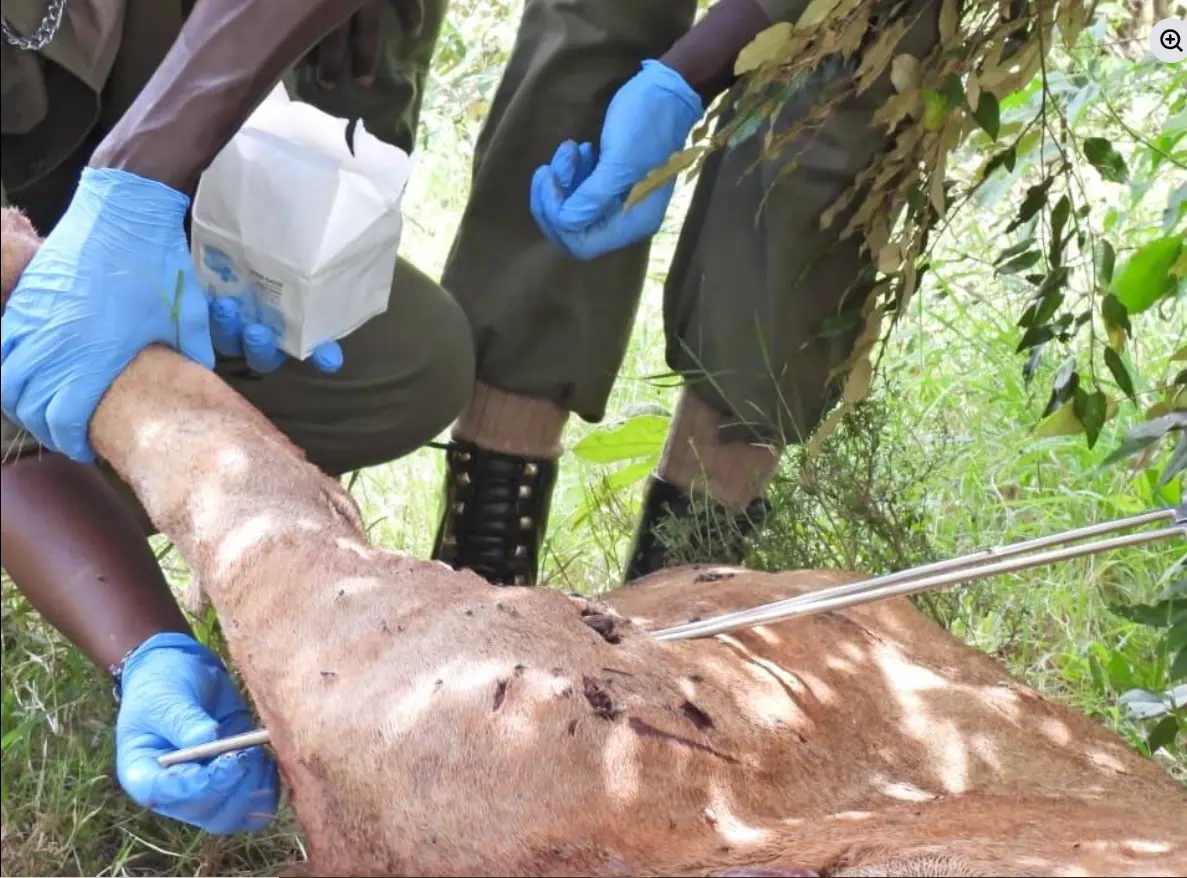
The golden plains of the Masai Mara have fallen silent following a somber update from the Kenya Wildlife Service (KWS). On April 13, 2026, it was confirmed that Kiminati, one of the most respected and dominant male lions of the Mara ecosystem, has passed away.
While the death of an apex predator is always a loss for conservation, the circumstances of Kiminati’s end—a fatal encounter with a mother hippo—serve as a powerful, raw reminder of the “Ground Reality” in the African wild.
The Final Battle: What Happened?
According to the official statement from the Kenya Wildlife Service, Kiminati, an 11-year-old veteran of the plains, is believed to have preyed on a baby hippo. This triggered a fierce, retaliatory attack from the mother hippo. Despite the legendary resilience that lions are known for, the injuries Kiminati sustained were severe and ultimately fatal.
This incident underscores a truth we share with every guest at Hilmuks Safaris: in the wild, survival is never guaranteed, and even a “King” can become vulnerable in an instant.
Kiminati Legacy File (Hilmuks Ground Data)
- Age: 11 Years (A dominant veteran of the Mara)
- Last Known Territory: Near the Mara River crossing points.
- Key Feature: Known for his massive, dark mane and fearless hunting style.
- Cause of Death: Severe injuries from a hippo retaliatory strike (Confirmed April 2026).
3 Lessons for 2026 Safari Travelers
Even if you are planning a high-end 3-Day Masai Mara Safari, Kiminati’s death offers critical insights into how we manage your safety and sightings on the ground:
1. The “Hippo Factor” is Real
Many visitors view hippos as sedentary “river residents” while planning their trip. The reality? They are the most dangerous large land mammals in Africa. Kiminati’s death proves that a protective mother hippo is a force that even a prime lion cannot overcome. This is why our guides maintain a strict safety buffer, especially when navigating near the river.
2. Why We Never “Wander” at the Airstrip
When you use Nairobi to Masai Mara Flights, the transition from the plane to the 4×4 feels seamless. However, Kiminati’s territory often overlapped with key landing zones like Musiara or Olkiombo. We treat every landing as a “hot zone,” ensuring you are moved safely into the vehicle before your feet even touch the grass for more than a few seconds.
3. The Shift in “The New Guard”
The loss of a dominant male like Kiminati creates a “power vacuum.” For our upcoming departures, our lead guides are already tracking the movement of rival coalitions. The death of one legend means the rise of another—and our guests will have front-row seats to this changing of the guard.
A Testament to the Untamed Mara
As we reflect on this loss, we are reminded that the Masai Mara is not a zoo; it is a living, breathing, and sometimes unforgiving ecosystem. It is a place of raw beauty where every day is a fight for survival.
Rest in Peace, Kiminati. You reigned with strength, and you died as a warrior of the plains.
Are you planning a visit to witness the legends of the Mara? Before you head out, make sure you have checked the Masai Mara Packing List to ensure you are prepared for the 2026 conditions. Whether you choose to fly or drive to Masai Mara, our team is on the ground daily, monitoring the pride shifts and ensuring your safety is never compromised.
For the official statement on the conservation impact of this loss, visit the Kenya Wildlife Service newsroom.