Email:
 Phone:
 WhatsApp:

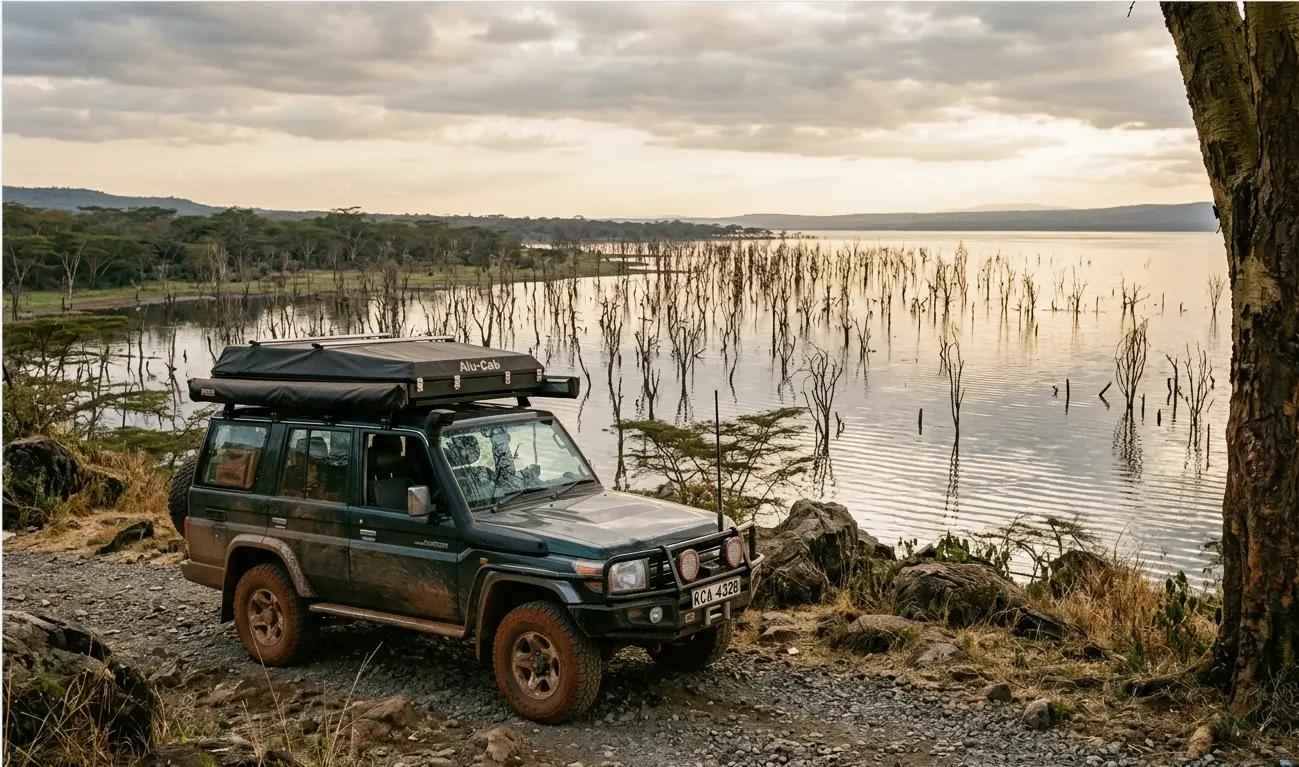
Lake Nakuru Camping in 2026 is an adventure dictated by rising water levels and specific KWS booking logistics. To camp successfully, you must choose between Public campsites (shared with facilities) or Special campsites (private, wild, and facility-free), while paying updated KWS fees via the eCitizen platform.
If you are planning a budget-friendly safari, Lake Nakuru Camping is the ultimate way to experience the park’s famous rhino sanctuary and “Ghost Forest” without the high price tag of luxury lodges. However, the ground reality has shifted. Because of the Lake Nakuru water levels, several northern tracks are submerged, pushing the best camping experiences into the southern “high ground” sectors.
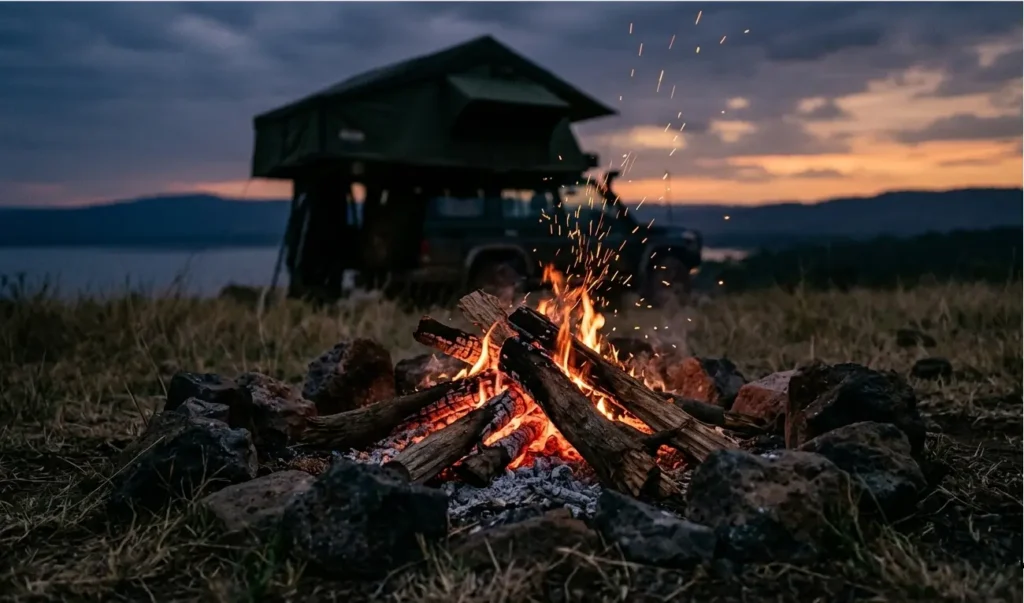
Before you pitch your tent, there is a critical 2026 logistical hurdle: the eCitizen “Signal Blackout.” As an operator on the ground, I’ve seen dozens of travelers stranded at the gate because the rising lake has impacted fiber relay stations near the main entrance. To avoid this, you must screenshot your pre-generated QR code while still in Nairobi or Nakuru Town.
Whether you are looking for the social atmosphere of Makalia Falls or the extreme solitude of a special “overlander” site, this guide provides the “operator secrets” that generic travel sites simply don’t know yet.
But that is not all… knowing where to sleep is only half the battle; knowing the true cost and safety risks of the 2026 “Mud Traps” is what will save your safari.
Quick Navigation: Jump to Your Section
The 2026 Reality of Lake Nakuru Camping
The landscape for Lake Nakuru camping has fundamentally changed due to the massive expansion of the lake, which has reclaimed nearly 80km² of former grasslands. If you are using a map from 2021 or earlier, you are likely looking at campsites that are now literally underwater or transformed into permanent swamp zones. This environmental shift has forced KWS camping Nakuru 2026 operations to pivot almost entirely to the southern “high-ground” sectors near the Makalia and Naishi regions.
🛡️ OPERATOR INSIGHT: The rising Lake Nakuru water levels have not just moved the animals; they have compromised the fiber optic relay stations near the Main Gate. This creates a frequent “Signal Blackout” where the eCitizen system fails to sync, potentially leaving you stranded at the entrance for hours. To beat this, you must generate and screenshot your entry QR code while you still have 5G signal in Nakuru Town or Nairobi, as the park’s internal network is currently unreliable for real-time payments.
This “South-only” camping reality means that the northern gates, while still functional for entry, are no longer practical for campers. Most of the northern tracks leading to traditional picnic spots are now submerged, making the Lanet or Nderit gates much more strategic entry points for your 2026 expedition. By entering through the southern corridors, you avoid the heavy mud-churned tracks of the north and save at least 40 minutes of grueling transit time to your pitch.
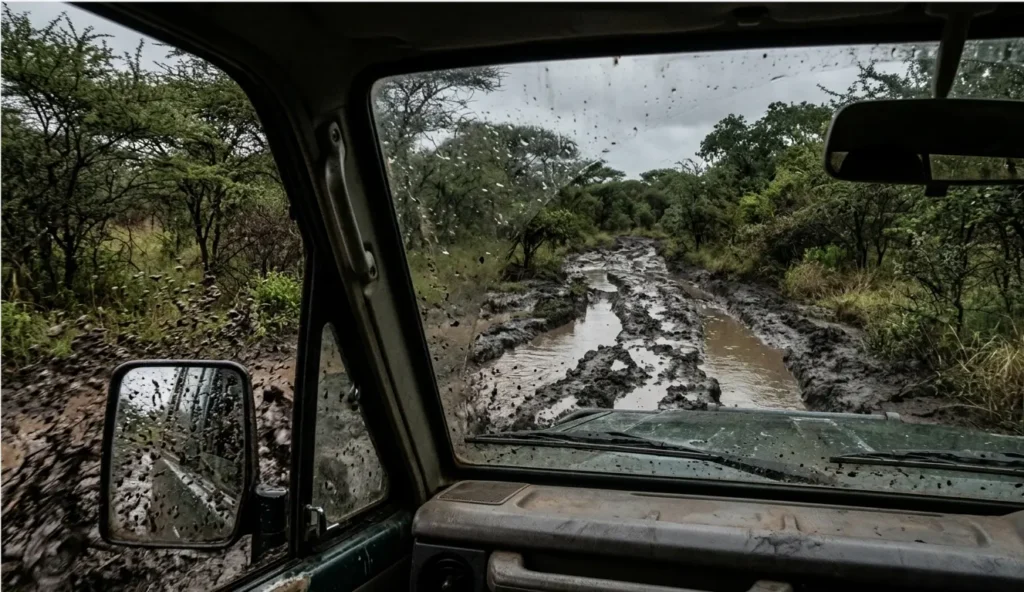
⚠️ 2026 ROAD ALERT: KWS has recently enforced a strict “No-Recovery” policy for standard 2WD vehicles entering the southern camping zones during the rains. If you get stuck in the black cotton soil near the southern marshes, the official KWS tractor recovery fee is now KES 10,500/ $80 per incident. Before you commit to a site, check our Lake Nakuru self-drive guide to ensure your vehicle can handle the current 2026 terrain without an avoidable fine.
Now that you know how to bypass the gate and the mud, let’s look at the critical choice between Public and Special campsites…
Public vs. Special Campsites: Which One Should You Actually Book?
When navigating Lake Nakuru Camping options, the biggest mistake travelers make is assuming “Special” campsites are a luxury upgrade. In the KWS system, “Special” actually refers to exclusivity; you are paying to ensure no other group can pitch their tent in your designated zone. While a Public site is a social hub with shared facilities, a Special site is a raw, silent patch of wilderness where you are entirely on your own.
🛡️ OPERATOR INSIGHT: If you choose a Special site, you must be 100% self-sufficient because they have zero infrastructure—no toilets, no running water, and no kitchen shelters. For most first-time campers, the Makalia Falls campsite is the safer bet because it provides the basic pit latrines and communal taps that “Special” zones lack. However, if your goal is total immersion without the noise of overland trucks, the extra cost for a private zone is the only way to achieve it in 2026.
|
Feature |
Public Campsites (e.g., Makalia) |
Special Campsites (e.g., Rhino) |
|
Privacy Level |
Shared with other campers |
Exclusive (Total Privacy) |
|
Facilities |
Pit latrines & communal water |
None (Zero infrastructure) |
|
Predator Factor |
High (Hyena & Baboon frequent) |
Extreme (Untamed wilderness) |
|
2026 Cost |
Standard Camping Fee |
Camping Fee + Reservation Fee |
|
Booking Need |
Pay at gate/eCitizen |
Prior KWS HQ Reservation Required |
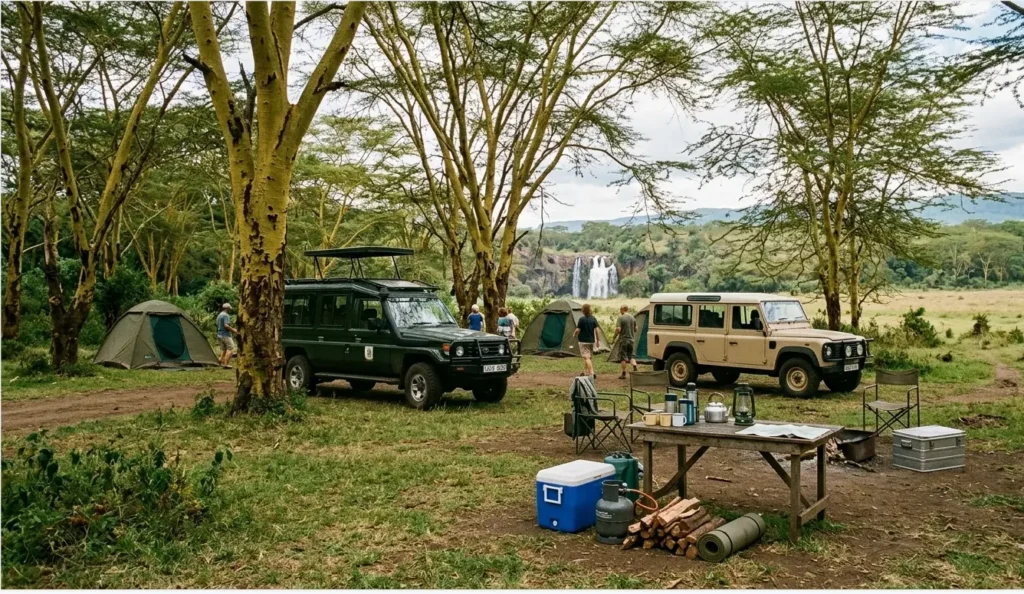
💡 PRO TIP: The process for Lake Nakuru special campsites booking is significantly more bureaucratic than public sites and cannot always be settled at the gate. You must often coordinate with the KWS Warden’s office or the reservations department via email ahead of your trip to “block” the site for your dates. For a step-by-step breakdown of managing these payments on the national portal, see our guide on how to pay Lake Nakuru park fees on eCitizen.
Choosing the wrong site can turn a dream safari into a logistical nightmare, especially if you arrive at a Special site expecting a shower. In 2026, many “Public” sites are becoming crowded due to limited dry ground, making the “Special” sites the only remaining moat of silence left in the park.
Now that we’ve cleared up the “Special” campsite mystery, let’s look at the specific showdown between the two most popular spots in the park…
Makalia Falls vs. Rhino Campsite: The Battle for the Best View
When deciding where to pitch your tent for Lake Nakuru Camping, the debate usually settles between the southern waterfall views and the central rhino territories. Makalia Falls is the most famous public site, acting as a social hub for overlanders, while Rhino Special Campsite offers a raw, frontline seat to the park’s conservation success. In 2026, the choice isn’t just about the scenery; it is about your vehicle’s clearance and your tolerance for wildlife proximity.
🛡️ OPERATOR INSIGHT: Makalia Falls is breathtaking, but the final 3-kilometer approach track has become a notorious “Mud Trap” due to the 2026 southern drainage shifts. I have seen standard crossovers bottom out here during the short rains, leading to costly delays and the KWS recovery fee. If you are not in a high-clearance 4×4, check our Lake Nakuru self-drive guide for safer alternative routes before committing to the southern sector.
In the Makalia Falls vs Rhino Campsite showdown, safety takes two different forms. At Makalia, the “plunge pool” area is a stunning backdrop for breakfast, but the baboon troops here are the most aggressive in the park, often raiding tents the moment a zipper is left open. Conversely, Rhino Campsite is unfenced and sits directly on a major transit corridor for white rhinos, meaning you must stay vigilant for large mammals wandering through the camp at dusk.
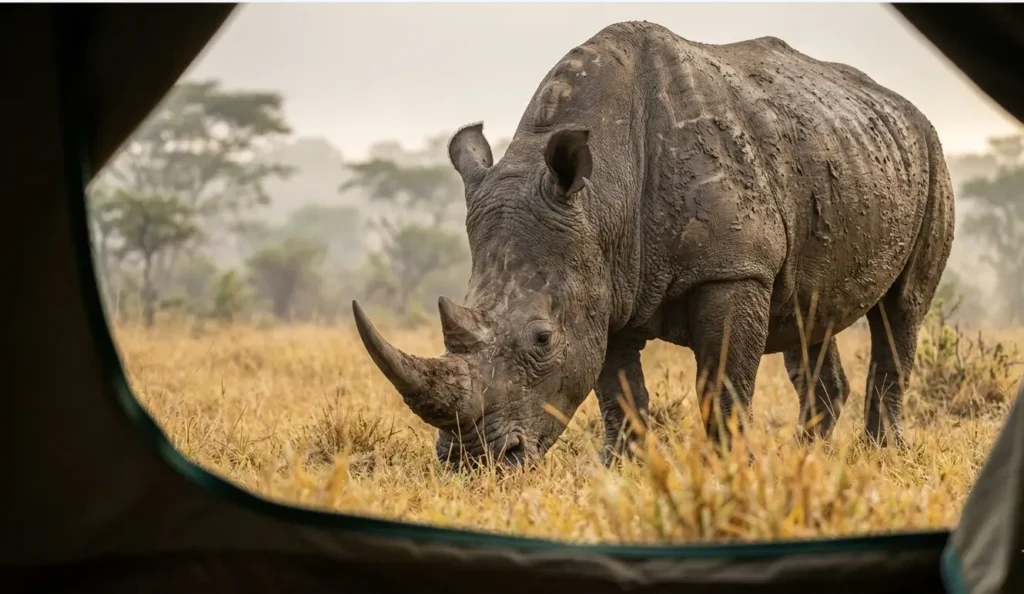
⚠️ 2026 ROAD ALERT: The drift crossing just before the Makalia Falls campsite is currently undergoing intermittent maintenance due to seasonal flooding. If the water level is above the concrete markers, do not attempt to cross; instead, backtrack to the Naishi ranger post for the latest ground report. For a full list of what to carry to handle these remote conditions, see our Lake Nakuru safari packing list.
While Makalia offers the sound of falling water to lull you to sleep, Rhino Campsite provides the silence required to hear a leopard “sawing” in the nearby acacia trees. In 2026, the “best view” is subjective: do you want the dramatic drop of the falls or the adrenaline of seeing a 2,000kg rhino graze ten meters from your campfire?
Now that you’ve picked your terrain, let’s ensure your budget is ready for the 2026 KWS tariff updates…
Updated Lake Nakuru Camping Fees 2026
Navigating the financial side of Lake Nakuru Camping requires a clear understanding of the KWS tiered pricing system, which separates basic entry from overnight stay costs. In 2026, camping is categorized into “Premium” and “Standard” tiers, with Lake Nakuru sitting firmly in the Premium bracket for both Citizens and Non-Residents. To avoid surprises at the gate, you must ensure your eCitizen wallet is loaded for both the daily conservation fee and the specific per-night camping charge.
🛡️ OPERATOR INSIGHT: For 2026, the total cost of a night under the stars is not just the camping fee; it is the sum of your Park Entry, Vehicle Fee, and the Camping Fee itself. For a detailed breakdown of the entry component before adding your tent charges, see our guide on Lake Nakuru National Park entry fees. Note that KWS has strictly moved to a “Cashless” system, meaning you must settle these via the eCitizen portal—ideally 24 hours before arrival to account for any system delays.
The Lake Nakuru 2026 Camping Fee Schedule
|
Category |
Public Campsite (Per Night) |
Special Campsite (Per Night) |
|
Citizen (Adult/Child) |
KES 250 / 200 |
KES 500 / 250 |
|
Resident (Adult/Child) |
KES 350 / 250 |
KES 700 / 350 |
|
Non-Resident (Adult/Child) |
$30 / $25 |
$50 / $25 |
|
Reservation Fee (Special Only) |
N/A |
KES 10,000 / $80 USD (Per Week) |
💡 PRO TIP: When calculating your Lake Nakuru camping fees 2026, do not forget the “Reservation Fee” for Special sites. While Public sites are “pay-as-you-go,” Special sites require a flat fee to block the entire area for your group, regardless of whether you are two people or ten. To ensure you don’t overpay or miss a step in the digital payment process, follow our step-by-step KWSPay guide.
⚠️ [year] RECOVERY ALERT: As an operator, I must warn you about the “Hidden” cost of poor site selection: the KES 10,500 recovery fee. If you choose a site in the southern mud zones without a proper 4×4 and get stuck, KWS will charge this fee for tractor assistance. To make sure you’ve hired the right vehicle to avoid this, see our car hire tips for Lake Nakuru terrain.
Now that your budget is secured and your QR codes are screenshotted, let’s dive into the full directory of where you can actually pitch your tent…
The 2026 Lake Nakuru Campsite Directory: From Forest to Plains
Navigating the 2026 map for Lake Nakuru Camping requires knowing exactly which sites remain accessible and dry. While most visitors congregate at the public falls, the park’s special campsites offer distinct micro-climates and varying levels of predator proximity. If you are looking for Lake Nakuru special campsites booking options, these specific locations are your best bet for a raw wilderness experience that many guides often confuse.
🦩 THE 2026 FLAMINGO WARNING: > If you are looking for a campsite “on the water” to see flamingos from your tent, stop looking. Due to the rising water levels of the Lake, the old shoreline campsites are now submerged or too muddy for safety. The campsites listed below are all located on the “High Ground” (South and North-East). You will need to drive 10–15 minutes from your camp to reach the flamingo viewpoints.
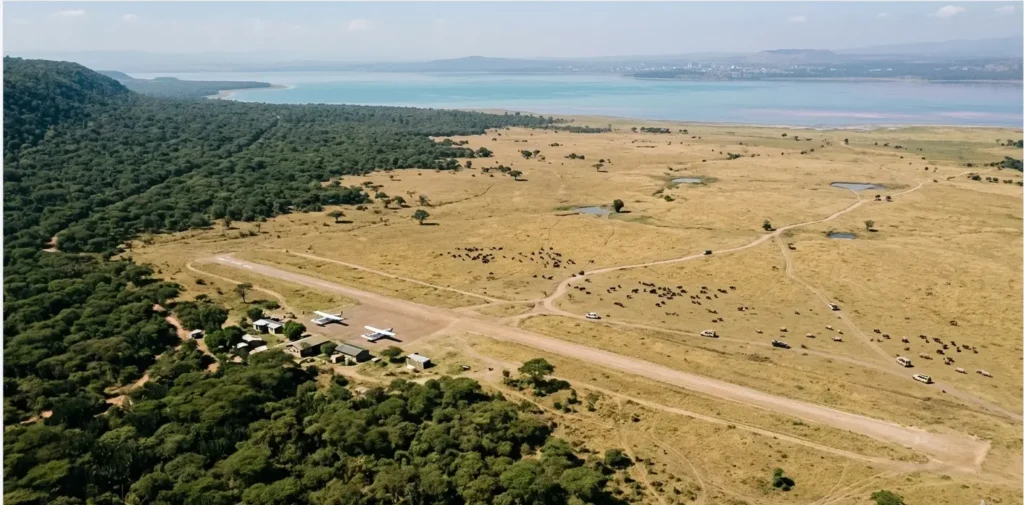
1. Makalia Falls Campsite (Public)
Makalia Falls remains the social heart of the southern sector. It is the only site with communal pit latrines and a functional water tap, though the water is often silty during the rains. While it offers a stunning backdrop of the waterfall, be warned: the baboon troops here are the most aggressive in the park and will raid a vehicle in seconds if a window is left open.
2. Reedbuck Special Campsite (The “Dry Ground” Secret)
Reedbuck is my #1 operator recommendation for 2026 because of its elevation. While the southern plains can become a “mud-trap” during the short rains, Reedbuck sits on a slight ridge that drains naturally. It offers total silence and is a prime spot for those who want to avoid the crowds at Makalia while remaining within a short drive of the southern rhino corridors.
3. Rhino Special Campsite
Located in the central-southern transition zone, Rhino Special Campsite is exactly what the name suggests: a frontline seat to the rhino sanctuary. There are no fences and zero facilities here. You are essentially sleeping in a major transit corridor for white rhinos, meaning you must keep a low profile and never leave your tent at night without a high-powered spotlight.
4. Chui Special Campsite (The Forest Den)
Chui (Swahili for Leopard) is fundamentally different from the open plains sites. It is tucked into a dense acacia woodland on the western side of the park, offering deep shade and a “closed-in” forest feel. Because of the thick canopy and proximity to the cliffs, this is the most likely spot for hearing leopards in Lake Nakuru sawing in the trees above your camp.
⚠️ 2026 ROAD ALERT: The forest floor at Chui does not dry as quickly as the open plains. During the rainy season, the tracks here turn into a slick, “black cotton” slurry that can trap even a 4×4. To see if your vehicle is up to the task of reaching this forest site, check our Kenya car hire survival guide before you head out.
5. Kambi Nyati Special Campsite (The Buffalo Base)
Often confused with Chui, Kambi Nyati is actually an open-air site located on a transit line between the hills and the lake. It is much smaller than Naishi or Reedbuck, making it perfect for a single-vehicle setup. It is a high-activity zone for large buffalo herds, so ensure your cooking station is tucked away to avoid attracting curious “dugga boys” at dusk.
6. Kambi Nyuki Special Campsite (The Gate-Hacker’s Choice)
Kambi Nyuki (Bee Camp) is located in the north-eastern sector, offering the best “dry ground” and the easiest access to the Main Gate. It is a grassy clearing sheltered by fever trees that provides a much breezier environment than the humid southern forests.
🛡️ OPERATOR INSIGHT: “Nyuki” means bees in Swahili, and during the 2026 flowering season of the yellow-fever acacias, this site can have significant bee activity. If any member of your group has a severe sting allergy, I strongly recommend booking Reedbuck or Rhino instead. To handle these remote medical risks, ensure you’ve packed according to our Lake Nakuru safari packing list.
7. Naishi Special Campsite
Located near the southern airstrip, Naishi is the premier choice for photographers using 2026 long-lens setups. The open horizons provide an unobstructed view of the sunset over the escarpment. It is one of the few sites where Safaricom 4G signal is semi-reliable, which is vital if you need to troubleshoot an eCitizen payment issue on the fly.
8. Flamingo Hill Tented Camp (The “Glamping” Safety Net)
While the KWS sites are for the “hardcore” explorers, Flamingo Hill Tented Camp is the ultimate compromise for travelers who want the canvas-under-stars experience without the mud-management stress. Located near the Main Gate bypass, it sits on high ground that remains accessible even during the 2026 southern drainage shifts.
🛡️ OPERATOR INSIGHT: Many of my clients book a “Special” campsite but keep Flamingo Hill in their back pocket as a “Plan B.” If you arrive at the gate and find that the southern tracks to Makalia are washed out, Flamingo Hill offers a luxury tented experience with hot showers, a bar, and a pool—effectively saving your safari from a “washout.”
💡 PRO TIP: If you aren’t camping but still want to be close to the action, this camp is the best mid-range “luxury tent” option in the park. For a full comparison of how this compares to the high-end brick-and-mortar stays, see our guide on Lake Nakuru Lodges: Complete Guide for Safari Travelers.
⚠️ 2026 ROAD ALERT: Because it is situated near the northern high-ground, you don’t need a heavy-duty 4×4 to reach Flamingo Hill. A standard tour van or a 2WD crossover can easily access the camp, making it the most “vehicle-safe” tented option in the park this season.
9. Lillypond Safari Lodge: The “Outside-the-Fence” Budget Hack
If Flamingo Hill is too busy for your taste, Lillypond Safari Lodge is the operator’s choice for a “Tactical Stay.” It is located just outside the park boundary near the Lanet Gate, making it a strategic base for those who want to avoid the complexities of in-park camping logistics.
🛡️ OPERATOR INSIGHT: The biggest advantage of Lillypond in 2026 is the cost-saving on park fees. Because it sits outside the fence, you aren’t charged the KWS overnight “stay” fee (which can add up for large groups). You can arrive late at night, sleep in a real bed, and enter the park via the Lanet Gate at exactly 6:00 AM—avoiding the early morning gate queues and the submerged northern tracks.
💡 PRO TIP: This is the best spot for travelers who want a “bed and a roof” but still want to feel like they are in the bush. It is particularly popular with birdwatchers who want to photograph the lilies and local species before the heat of the day. To see why this location is better for your wallet than the big lake-front hotels.
10. Enjoro Campsite (The “Main Gate” Strategic Pivot)
Located just meters from the Main Gate, Enjoro is often overlooked by “hardcore” campers, but in 2026, it has become a tactical necessity for the smart traveler.
🛡️ OPERATOR INSIGHT: Because the southern tracks near Makalia are often “Mud Traps” in 2026, Enjoro is where I recommend my self-drive clients stay if they arrive after 5:30 PM. It is the most accessible site in the park and serves as a “Base Camp” while you wait for the southern tracks to dry out or for the Warden to confirm road clearances.
💡 PRO TIP: It is the only site with reliable proximity to the KWS rangers at the gate. If you have a mechanical issue or your eCitizen QR code won’t scan, staying at Enjoro allows you to resolve it at the head office first thing in the morning without being stranded in the remote south.
11. Mbweha Camp (The “Night Safari” Loophole)
Located on the southern border within the Congreve Conservancy area, Mbweha Camp offers a camping experience that technically bypasses the strict KWS “6:30 PM Lock-in” rule.
🛡️ OPERATOR INSIGHT: Inside Lake Nakuru National Park, you must be in your camp by sunset. However, because Mbweha is on a private conservancy bordering the park, you can enjoy bush walks and night game drives to see aardvarks, caracals, and honey badgers—creatures you will almost never see during the day inside the park.
💡 PRO TIP: This is the perfect “First Night” stop if you are driving from Nairobi. You get the high-end tented vibe, but with the added flexibility of activities that national park rules usually prohibit. It’s the ultimate “Information Gain” secret for travelers who want more than just a standard game drive.
12. KWS Bandas (The “Emergency Dry-Bed” Alternative)
During the 2026 rainy season, the black cotton soil at the special campsites can transform from a scenic pitch into a marsh that can swallow a tent overnight. The KWS Bandas (stone-walled, self-catering units) are the strategic “Plan B” for campers who need a roof but still want to cook their own food and sit by their own fire.
🛡️ OPERATOR INSIGHT: If the rains are heavy, don’t fight the mud. These stone-walled units allow you to stay deep in the park without the risk of your gear getting soaked. They are booked via the same eCitizen portal as your park fees, making them a seamless pivot if the weather turns.
⚠️ 2026 ROAD ALERT: The track to the Naishi Bandas is significantly firmer than the deep-forest tracks leading to Chui or Kambi Nyati. If you see the clouds turning dark and you aren’t in a heavy-duty 4×4, pivot your booking to a KWS Banda to avoid the KES 10,500 recovery fee. To see how to book these units, check our KWSPay Step-by-Step Guide.
Now that you’ve picked your specific terrain, let’s look at the safety protocols you must follow to protect your camp from the park’s most notorious “thieves”…
The “Baboon-Proof” Survival Kit: Logistics & Safety
Securing your site is the most critical part of Lake Nakuru Camping in 2026. While large predators like lions are a presence, the most persistent threat to your supplies comes from the park’s highly intelligent yellow baboons. These primates have learned to recognize cooler boxes and plastic crates, often working in teams to distract campers while others raid the vehicle.
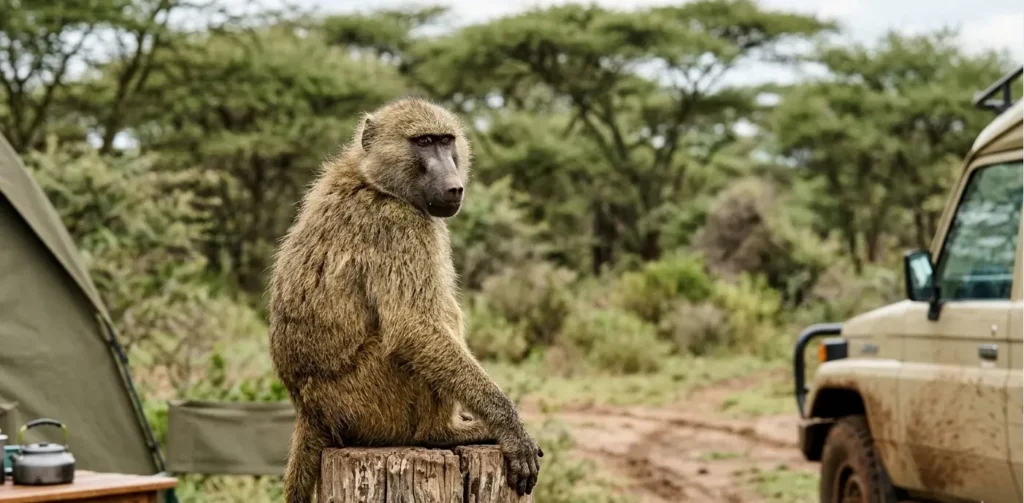
🛡️ OPERATOR INSIGHT: Baboon Cliff is a spectacular viewpoint, but it is a “Logistical Trap” for campers stopping for a quick lunch. The baboons here have mastered the art of opening unlocked car doors and sliding windows in seconds. Never leave your vehicle unlocked at any viewpoint, and if you are cooking at a site like Makalia, keep a slingshot visible; often, the mere sight of one is enough to keep the troop at a respectful distance.
Safety during KWS camping Nakuru 2026 also extends to your nocturnal habits. Since many sites like Rhino and Chui are completely unfenced, you are sharing the space with high-density buffalo herds and inquisitive hyenas. Always ensure your cooking area is scrubbed clean before dark, and never keep food inside your sleeping tent, as hyenas have been known to bite through canvas to reach the scent of meat.
💡 PRO TIP: Beyond the wildlife, your biggest safety hurdle is the park’s changing geography. Rising water has made certain tracks unstable, and getting stuck at dusk can lead to a dangerous situation with Cape buffaloes. To ensure you are fully prepared for these ground realities, see our guide on is Lake Nakuru National Park safe? for a complete breakdown of 2026 predator protocols and security tips.
Proper food storage isn’t just about your lunch; it’s about avoiding heavy KWS fines. In 2026, rangers are strictly enforcing “littering by negligence” rules, where leaving food out that attracts wildlife can result in an immediate KES 5,000 fine. Use heavy-duty lockable metal trunks for your dry goods and keep all “wet” waste in a sealed container inside your vehicle until you can exit the park.
Now that your camp is secure and your gear is baboon-proofed, let’s wrap up with the final verdict on whether a night in the wild is right for you…
Is Lake Nakuru Camping Worth It in 2026?
The final verdict on Lake Nakuru Camping depends entirely on your appetite for raw, unscripted wilderness versus predictable comfort. In 2026, camping here is the only way to witness the “Ghost Forest” at sunrise without the 6:00 AM gate-opening dash. While the logistics of mud management and baboon-proofing require effort, the reward is a private audience with the park’s thriving rhino population and nocturnal predators.
🛡️ OPERATOR INSIGHT: If you are strictly a “Big Five” chaser, a single night of Lake Nakuru Camping is often the perfect bridge between Nairobi and the more intense savannahs of the south. Many travelers find that one night here is enough to tick off the rhino and leopard boxes before heading to the Mara. If you are debating between a quick visit and a full stay, check our honest comparison of a Lake Nakuru day trip vs. overnight stay to see which fits your 2026 budget.
For the overlander or budget explorer, this park remains a top-tier choice because of its compact size and high wildlife density. You spend less on fuel than you would in larger parks, yet you have a significantly higher chance of seeing tree-climbing lions within a few kilometers of your campsite. It is the ultimate “tactical” safari stop that offers massive value if you follow the 2026 ground rules.
💡 PRO TIP: Once you’ve mastered the art of camping among Nakuru’s rhinos, you are ready for the big leagues of the Rift Valley. Most seasoned operators use Nakuru as the “warm-up” before the long haul to the world’s most famous wilderness. To see how to extend this adventure into the greatest theater of wildlife on earth, see our 3-day Masai Mara safari guide for an operator-led transition.
Lake Nakuru Camping is more than just a cheap place to sleep; it’s a frontline seat to a changing ecosystem. In 2026, the park is wilder, wetter, and more exclusive than ever before. Pack your recovery gear, screenshot your QR codes, and prepare for a night where the only thing louder than the wind is the roar of a lion on the Naishi plains.
FAQs on Lake Nakuru Camping 2026
Is Lake Nakuru Camping safe from predators and wild animals in 2026?
Lake Nakuru Camping is safe if you maintain strict campfire protocols and secure all food storage. While the sites are unfenced, animals generally avoid active camps, but nocturnal buffaloes and hyenas are persistent. To ensure your group remains protected from these ground-level threats, see our guide on is Lake Nakuru National Park safe? for predator protocols.
🛡️ OPERATOR INSIGHT :In 2026, hyena activity has increased near the southern camps; always check your tent zippers twice before sleeping to avoid uninvited guests looking for snacks in your bags.
How do I pay for Lake Nakuru Camping fees on eCitizen in 2026?
You must pay all camping fees via the eCitizen portal before arriving at the park gate. Cash is no longer accepted at any KWS gate, and you must generate a digital invoice. For a seamless entry, follow our step-by-step KWSPay guide to ensure your camping permits are validated before the sun goes down.
💡 PRO TIP: Screenshot your QR code in Nairobi or Nakuru Town; the 2026 signal blackout at the gate often makes it impossible to load the eCitizen website or sync payments upon arrival.
How much are the Lake Nakuru national park tickets for camping in 2026?
Camping costs KES 250 for Citizens and $30 for Non-Residents per night, excluding entry fees. You must pay the daily conservation fee alongside the camping charge to avoid being turned away. To calculate your full budget including vehicle charges, see our Lake Nakuru National Park entry fees guide for 2026.
⚠️ 2026 ROAD ALERT: If you book a “Special Campsite,” there is a mandatory KES 10,000 / $80 USD weekly reservation fee that must be paid on top of the standard nightly per-person rates on eCitizen.
Where is the best location for Lake Nakuru Camping to see rhinos?
Rhino Special Campsite offers the highest probability of seeing white rhinos directly from your tent. This site is located in a high-traffic corridor, providing an immersive, raw experience without the crowds. For those who prefer a solid roof over their head near these zones, see our guide on best Lake Nakuru lodges for wildlife viewing for alternative options.
🛡️ OPERATOR INSIGHT: Rhino sightings are nearly guaranteed at the Naishi plains at dawn; park your vehicle at the site’s edge for a safe, elevated viewpoint of the grazing herds nearby.
What is the most common mistake made during Lake Nakuru Camping trips?
Failing to account for rising water levels is the biggest mistake campers make in 2026. Many traditional campsites are now submerged or inaccessible, and following old maps leads directly into dangerous mud traps. To avoid this, see our guide on which Lake Nakuru gate to use to stay on the firmer northern tracks.
⚠️ 2026 ROAD ALERT: The KWS recovery fee for stuck vehicles is now KES 10,500 / $80 USD; always approach from the high-ground tracks during the 2026 rainy seasons to avoid this “hidden” cost.
Can I go Lake Nakuru Camping in a standard sedan or 2WD car?
While possible in the dry season, a 4×4 is highly recommended for southern camping zones. The southern tracks near Makalia Falls turn into “black cotton” slurry that can trap even a crossover. If you are on a self-drive mission, see our Lake Nakuru National Park guide for seasonal navigation tips and route warnings.
💡 PRO TIP: If you are in a 2WD, stick to the Kambi Nyuki site. While the old Main Gate offices are submerged, the new high-ground bypass leads directly to this northern campsite, which remains the driest and most accessible spot for standard vehicles in 2026.