Email:
 Phone:
 WhatsApp:

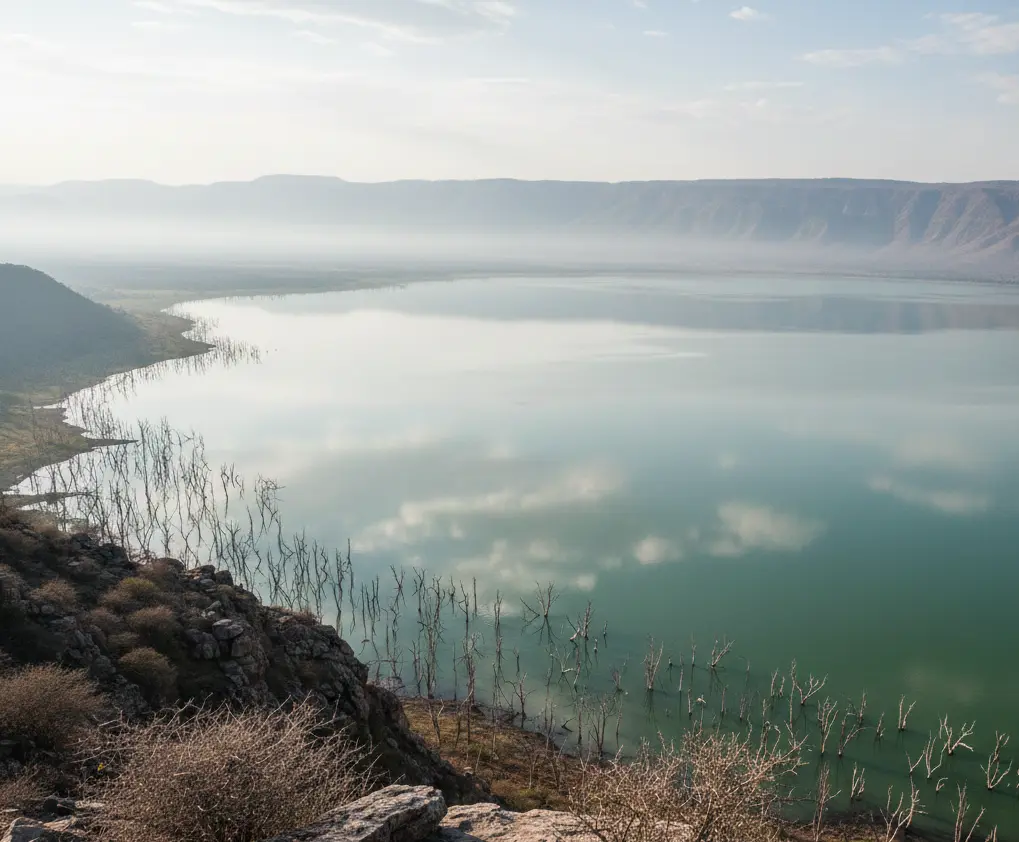
Quick Answer: The Best Viewpoints in Lake Nakuru National Park in 2026 are Baboon Cliff, Out of Africa Lookout, and Lion Hill. Following recent lake flooding, Baboon Cliff offers the premier panoramic vista of the expanded shoreline, while Lion Hill serves as the top choice for Lake Nakuru photography spots 2026 to capture rhinos against the new landscape.
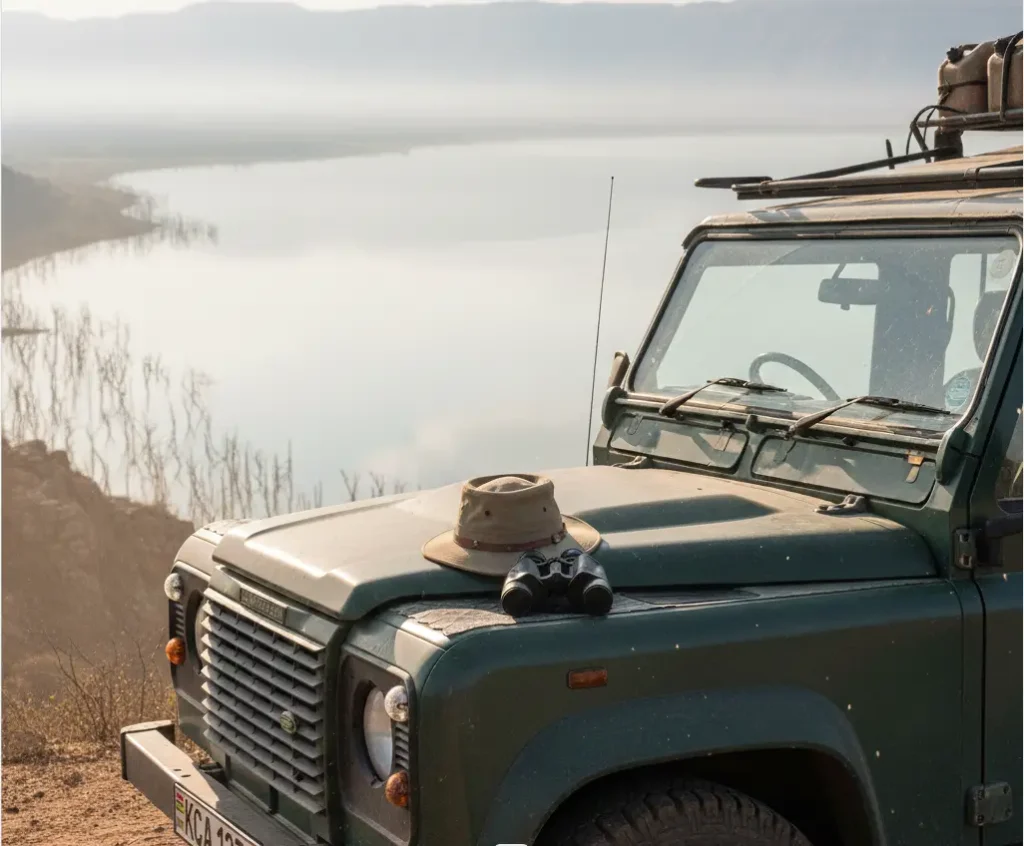
If you are looking at “Pink Shoreline” photos on TripAdvisor or Wikipedia, you are looking at a park that no longer exists. Most legacy guides are dangerously misleading in 2026 because they fail to account for the massive 82km² lake expansion.
The reality on the ground is that the rising water levels have submerged old tracks and birthed a haunting “Dead Forest” of acacia trees. This environmental shift has completely changed where the Best Viewpoints in Lake Nakuru National Park are located. Setting the stage for Lake Nakuru photography spots 2026, this operator-led guide identifies where to find the best light and the safest picnic spots. Before you head out, ensure you’ve checked our Lake Nakuru Safari Packing List to have your long lenses ready.
Quick Navigation: Jump to your Section
1. Baboon Cliff: The Aerial View of the Flooded Forest
Baboon Cliff remains the most iconic among the Best Viewpoints in Lake Nakuru National Park. Perched on the western rim, it offers a dramatic perspective of the Rift Valley Escarpment and the sheer scale of the 2026 Lake Expansion. From here, you can see how the rising waters have swallowed previous shoreline roads, leaving only the tops of yellow-fever acacias visible.
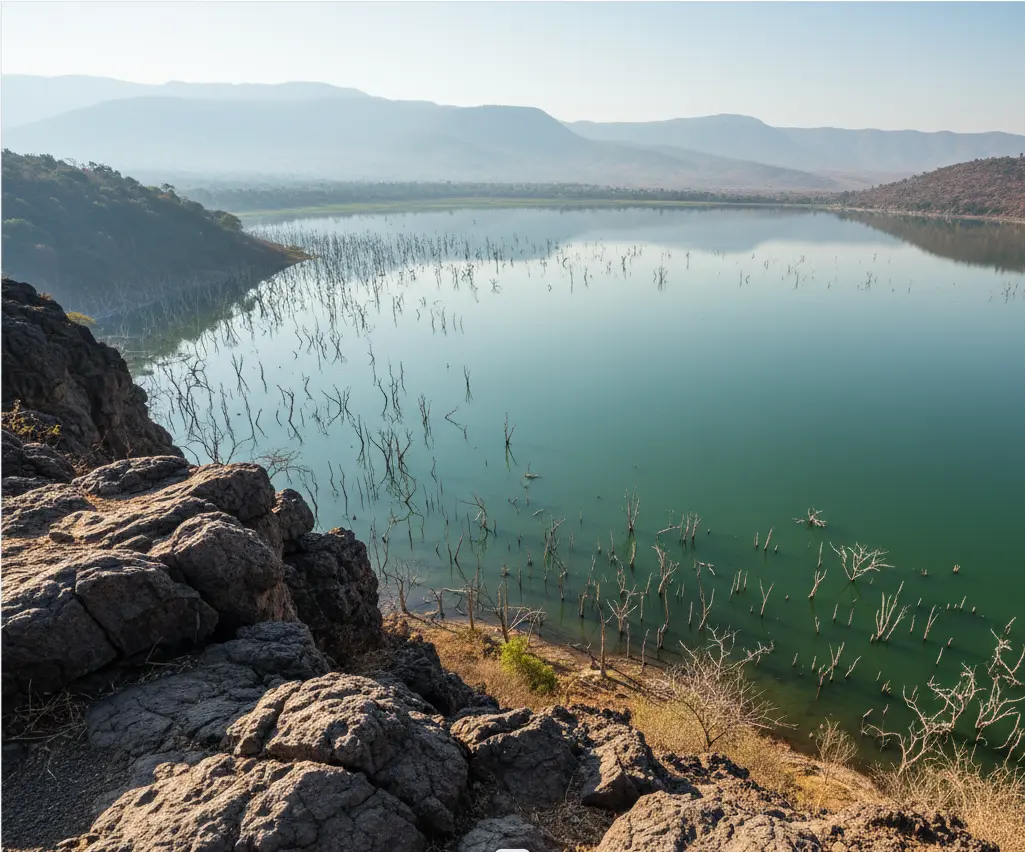
For those scouting Lake Nakuru photography spots 2026, 10:00 AM is the “Magic Hour.” At this time, the sun is high enough to cut through the Rift Valley haze but low enough to highlight the turquoise-to-deep-blue gradient of the expanded lake. Using a wide-angle lens allows you to capture the contrast between the rocky cliff edge and the submerged “dead forest” below.
🛡️ OPERATOR INSIGHT: The baboons at this viewpoint are notorious “vehicle specialists” who have learned to pull door handles rather than just waiting for open windows. If you are on a Lake Nakuru National Park Self Drive, ensure your central locking is engaged the moment you park. KWS rangers now strictly enforce a “no-food-outside” rule here to curb this aggression, and ignoring it can lead to an on-the-spot fine.
Aerial Photography Hack: If you are bringing a high-end camera, see our ultimate Lake Nakuru safari packing list to learn why a circular polarizer is non-negotiable for cutting the 2026 glare from the cliff. However, a polarizer alone won’t save your shot if you’re using the wrong focal length; for technical camera settings and lens choice from this specific cliff, see our full Lake Nakuru safari photography guide.
Now that we’ve mastered the heights of the western rim, let’s head toward the legendary “Out of Africa” ridge for the park’s most cinematic sunset…
2. Out of Africa Lookout: The Cinematic Sunsets
Located along the same western ridge as Baboon Cliff but further south, the Out of Africa Lookout is the most prestigious among the Best Viewpoints in Lake Nakuru National Park. It is a specific rocky promontory where the Out of Africa film was shot, offering the most expansive Rift Valley vistas in the region. In 2026, this spot is the gold standard for those seeking to understand the park’s topography without the “selfie-crowds” found at the main cliff.
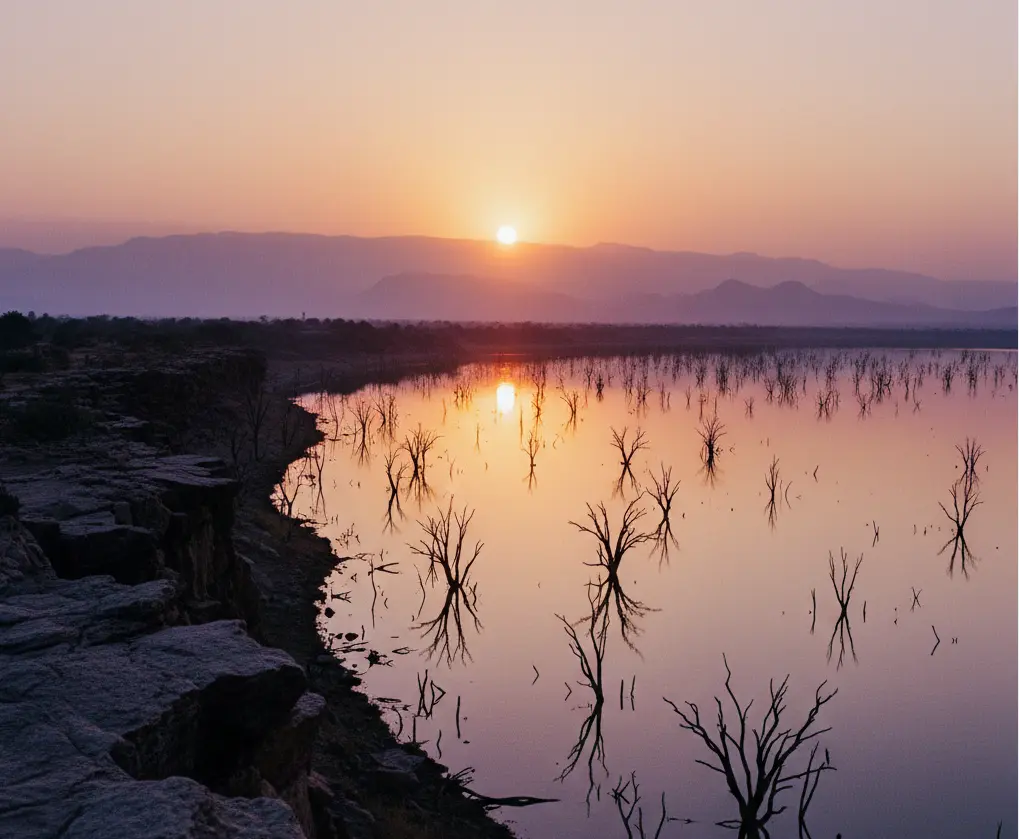
For sunset photography, there is no better location in the Rift Valley. As the sun drops behind the western escarpment, the light hits the white alkaline crust of the lake, creating a bioluminescent glow. The 2026 update to this view is the prominence of the “Dead Forest”—the submerged acacia skeletons now provide a haunting, structural foreground that is more popular with professional photographers than the birds themselves.
🛡️ OPERATOR INSIGHT: The 2026 hiking difficulty for the short trail from the parking bay to the actual ridge has increased due to loose volcanic scree from recent tremors. While it isn’t a technical climb, the KWS rangers now strictly advise against wearing flip-flops or smooth-soled shoes. If your footwear isn’t up to the task, see our guide on The 2026 Kenya Car Hire Survival Guide to learn how to check if your rental vehicle includes the necessary emergency kit for remote ridge-top stops.
The 6:15 PM Rule: KWS gate guards are increasingly strict about the 6:30 PM park exit rule. If you are staying at one of the Lake Nakuru Lodges, you can stay here until the last light, but day-trippers must begin their descent from Out of Africa by 6:00 PM to avoid a KES 5,000 “Late Exit” surcharge.
With the golden hour captured from the highest ridge, we now descend toward the mid-level heights of Lion Hill to track the park’s most elusive predators…
3. Lion Hill Lookout: The Predator’s Perspective
Lion Hill stands out among the Best Viewpoints in Lake Nakuru National Park for its tactical advantage in wildlife spotting. Unlike the higher, more distant cliffs, this mid-elevation ridge places you directly above the park’s dense acacia glades. This unique positioning makes it arguably the best of all Lake Nakuru photography spots 2026 for those using a long lens to capture the park’s apex residents.
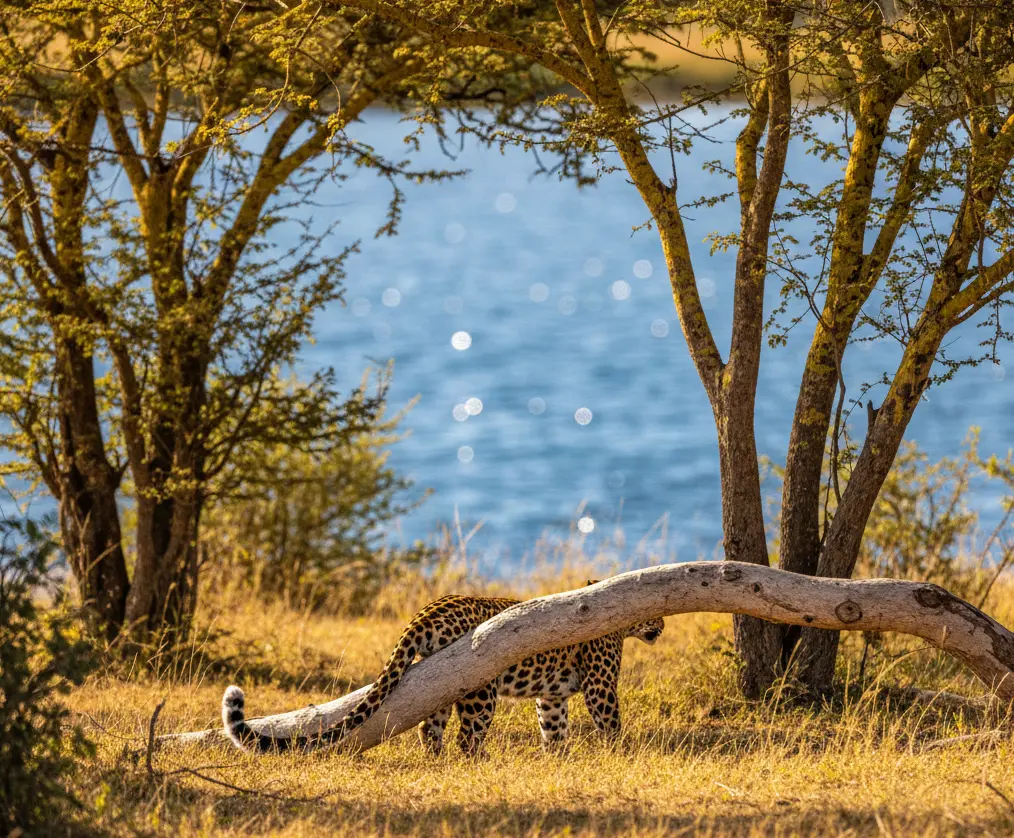
In 2026, the rising lake levels have squeezed the habitat, forcing both predators and herbivores toward the base of this hill. It is currently the most reliable spot for leopard sightings, as these cats frequently use the overhanging branches of the yellow-fever trees below the lookout for shade. For the best results, bring a beanbag or a window mount; the steady angle from the ridge allows for sharp, professional-grade long-lens photography of animals that are otherwise hidden in the bush.
🛡️ OPERATOR INSIGHT: While Lion Hill is a designated picnic area, picnic site safety 2026 has become a serious concern for the KWS. Since the lake expansion, lions have been seen using the stone tables for shade during the heat of the day. To avoid a confrontation or a steep fine for “reckless endangerment,” always perform a 360-degree perimeter check from inside your vehicle before stepping out to use the facilities.
The Rhino-Tracking Secret: Most visitors look toward the water, but the real prize at Lion Hill is looking down at the southern plains. Check our Insider’s Guide to Guaranteed Rhino Sightings to understand how to differentiate the Black and White rhinos that graze in the corridors directly beneath the lookout.
With the big cats and rhinos checked off your list from the heights of Lion Hill, we move further south to a spot where the water meets the rock in a spectacular hidden display…
4. Makalia Falls Viewpoint: The Hidden Southern Gem
Makalia Falls offers a stark departure from the alkaline shoreline, making the long trek south essential for travelers seeking the most diverse Best Viewpoints in Lake Nakuru National Park. Fed by the Makalia River, this rocky drop-off creates a lush micro-environment where the air is noticeably cooler and the dust is replaced by river mist. In 2026, the falls have become a sanctuary for endemic birds that prefer the freshwater rush over the soda lake’s edges.
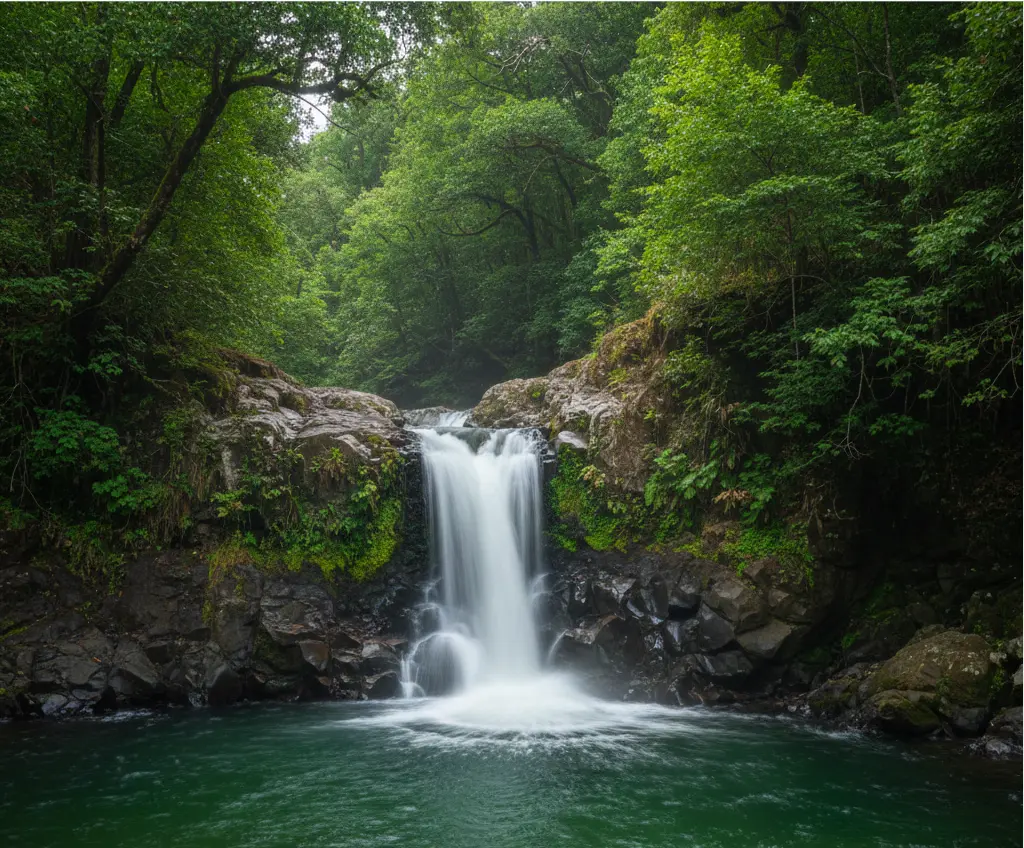
For waterfall photography, this site is unmatched within the park boundaries. The sheer rock face provides a perfect high-contrast backdrop for long-exposure shots of the plummeting water. Because this area is far from the northern gates, you’ll often find yourself as the only vehicle there, offering a quiet “concierge” experience with nature.
🛡️ OPERATOR INSIGHT: The 2026 truth about the southern circuit is that the tracks have become increasingly treacherous due to the park’s expanded water table. Many sections are now strictly 4×4 tracks only, and KWS has begun issuing heavy fines to drivers who venture off-track and get stuck in the mud. To avoid a KES 10,000 recovery fee and a wasted day, see our guide on Lake Nakuru National Park Self Drive for the specific route hacks to navigate the seasonal mud safely.
Birders’ Paradise: While the falls are the main event, the riverine forest surrounding them is a hotspot for rare species. You can find a detailed spotter’s list in our guide on Bird Watching in Lake Nakuru National Park to help you identify the unique kingfishers that nest in the mud banks.
Having explored the raw power of the southern falls, we now turn to the specific “insider” vantage points that even seasoned guides often overlook…
5. Enasoit Hill: The 2026 “Secret” Vantage Point
Enasoit Hill is rapidly becoming the most coveted addition to the Best Viewpoints in Lake Nakuru National Park. While the crowds congregate at Baboon Cliff, Enasoit offers an off-the-beaten-path alternative that provides a much clearer view of the new shoreline tracking. Because the lake has pushed so far into the eastern acacia groves, this hill now sits at the perfect geometric angle to capture the water’s edge without the visual clutter of the northern infrastructure.
For those hunting for the ultimate Lake Nakuru photography spots 2026, this is where you capture the high-contrast wildlife silhouettes. The eastern light in the late afternoon hits the water at an angle that turns the surface into a liquid silver mirror, making every flamingo or waterbuck stand out in sharp relief. Big tour buses usually skip this because the access track is narrow, leaving the vista entirely to solo travelers and high-end photographic safaris.
🛡️ OPERATOR INSIGHT: Enasoit is the “Elite Choice” because it requires a specific approach; the track is often hidden by overgrown star grass during the rainy season. Many drivers get turned around, but the trick is to follow the ridge markers rather than your GPS, which hasn’t updated for the 2026 vegetation shifts. To ensure you don’t waste fuel on dead-end tracks, see our Lake Nakuru National Park Self Drive guide for the specific route hacks used by our lead drivers.
The Birding Advantage: Enasoit isn’t just for views; it’s a tactical spot for spotting raptors. We recommend checking our guide on Bird Watching in Lake Nakuru National Park to see which migratory eagles use this specific hill as a thermal updraft during the 2026 season.
Now that we’ve uncovered the park’s best-kept secret, it’s time to finalize your logistics to ensure you aren’t locked out of these views by a simple digital error…
Photography Gear & Logistics for Nakuru Viewpoints
Maximizing your time at the Best Viewpoints in Lake Nakuru National Park requires more than just a camera; it requires an understanding of the Rift Valley’s unique light and terrain. In 2026, the combination of high-altitude haze and the reflective “Alkaline Mirror” effect from the flooded lake can ruin shots if you aren’t prepared. Success at these elevated spots depends on matching the best time of day with the right technical setup to penetrate the atmospheric interference.
Our primary lens recommendations for the viewpoints include a wide-angle (16-35mm) for the sweeping escarpment vistas and a powerful telephoto (100-400mm) for the wildlife grazing far below. Because of the fine, corrosive soda dust that drifts upward, using UV filters for Rift Valley haze is a mandatory protective measure for your glass. Without this barrier, the high-pH particles can slowly degrade expensive lens coatings during a single afternoon session.
Achieving these sharp perspectives requires a base that supports your technical needs. We have analyzed the best Lake Nakuru lodges for photography to help you select a camp that offers stable editing areas and 4 AM gate proximity.
⚠️ 2026 ROAD ALERT: Reaching the most remote photography spots now demands a 4×4 vehicle necessity due to the 2026 erosion on the ridge-line tracks. KWS patrol rangers have started turning back low-clearance SUVs at the base of the Out of Africa climb to prevent blockages. If you are planning to drive yourself, ensure your vehicle passes the critical inspections found in The 2026 Kenya Car Hire Survival Guide: 7 Checks Before You Leave the Yard to avoid a mechanical failure on the steep ascent.
🛡️ OPERATOR INSIGHT: The “magic window” for viewpoint photography in 2026 is specifically between 7:30 AM and 10:00 AM. After this, the heat shimmer rising from the soda flats creates a “mirage effect” that no amount of editing can fix. If you are navigating the park on your own, use the Lake Nakuru National Park Self Drive: 2026 Rules & Route Hacks to time your arrival at Baboon Cliff before the haze sets in.
Now that your gear is packed and your route is planned, let’s ensure your entry permits are processed correctly so you don’t miss the sunrise while stuck at the gate.
2026 Viewpoint Logistics: Don’t Miss the Light
The golden hour at the Best Viewpoints in Lake Nakuru National Park is fleeting. In 2026, the biggest threat to your photography isn’t the weather—it’s the digital bottleneck at the gates. Because KWS has transitioned to a 100% cashless system, showing up without a pre-validated QR code is the fastest way to miss the sunrise.
The “System Offline” excuse at the gate is common in 2026. To ensure you are at Baboon Cliff by 7:30 AM, you must have your eCitizen confirmation saved as an offline PDF. If you haven’t handled your park logistics yet, see our Lake Nakuru National Park Entry Fees guide to check the current 2026 pricing, then follow our How to Pay Lake Nakuru Park Fees Guide to bypass the morning gate queues.
Conclusion: Which Viewpoint Should You Choose?
Selecting from the Best Viewpoints in Lake Nakuru National Park depends entirely on your mission and the 2026 lake conditions. For families and casual travelers, Baboon Cliff remains the undisputed king due to its accessibility and the safety of the walled picnic area. If you are a professional photographer or a “quiet seeker,” bypassing the crowds for the height of Out of Africa or the southern solitude of Makalia Falls will yield much higher quality results.
The 2026 flooding has turned the park into a dynamic aquatic landscape that looks different from every ridge. While legacy guides suggest staying low by the water, the true scale of the Rift Valley is only visible from these high-altitude vantage points. For those on a tight schedule, we recommend hitting Baboon Cliff early in the morning before the heat shimmer distorts the horizon.
🛡️ OPERATOR INSIGHT: Don’t let your safari end at the cliff edge; the viewpoints are just the “introductory chapter” to the park’s secrets. To maximize your day, see our operator’s ground report on the 12 Best Things to Do in Lake Nakuru National Park 2026 to discover how to pair these vistas with the best rhino tracking routes and forest drives.
Final 2026 Viewpoint Comparison
| Viewpoint | Best For | 2026 Accessibility |
| Baboon Cliff | Families & Quick Vistas | 100% (Paved/Gravel) |
| Out of Africa | Pro Photographers & Sunsets | 80% (High-clearance 4×4 recommended) |
| Lion Hill | Predator Spotting & Rhinos | 90% (Gravel Loop) |
| Makalia Falls | Birders & Solitude | 60% (Dry weather/Heavy 4×4 only) |
| Enasoit Hill | Secret Vantage Points | 50% (Guide recommended) |
2026 Lake Nakuru Viewpoints: Frequently Asked Questions
Can you still see flamingos from Baboon Cliff in 2026?
Yes, but the view has changed significantly. While the “pink blanket” of millions of birds has largely shifted toward Lake Bogoria due to rising water levels, you can still see large, vibrant clusters of Greater Flamingos from Baboon Cliff. In 2026, the birds are most concentrated along the southern shoreline near Naishi, which is clearly visible with binoculars from the cliff’s edge.
Is it safe to get out of your vehicle at Lake Nakuru viewpoints?
You are only permitted to exit your vehicle at clearly designated spots: Baboon Cliff, Out of Africa Lookout, Lion Hill, and Makalia Falls. In 2026, KWS has increased patrols to enforce the “No Alighting” rule elsewhere to protect visitors from the high density of rhinos and buffalo. At Baboon Cliff specifically, safety is less about predators and more about the resident baboons, who are expert “vehicle looters”—always lock your doors the moment you step out.
Which is the best viewpoint for photography in Lake Nakuru?
For wide-angle Rift Valley panoramas, Baboon Cliff is unmatched. However, for professional wildlife photography using a telephoto lens, Lion Hill is the superior 2026 choice. Its mid-level elevation allows you to shoot “top-down” into the acacia canopy, providing a unique angle on leopards and rhinos that you cannot get from the higher western ridges.
Are the roads to the viewpoints accessible for small cars in 2026?
While the road to Baboon Cliff is generally well-maintained, the southern tracks toward Makalia Falls and the steep ascent to Out of Africa now strictly require a 4×4 vehicle. Due to the 2026 soil erosion and the expanded water table, KWS rangers often turn back low-clearance 2WD vehicles at the base of the ridges to prevent mountain-track blockages.
Can I hike between the different viewpoints in the park?
Hiking between viewpoints is strictly prohibited due to the high population of black and white rhinos. You must drive between the ridges. The only “walking” permitted is within the immediate, fenced, or ranger-patrolled perimeters of the picnic areas at the viewpoints themselves.