Email:
 Phone:
 WhatsApp:

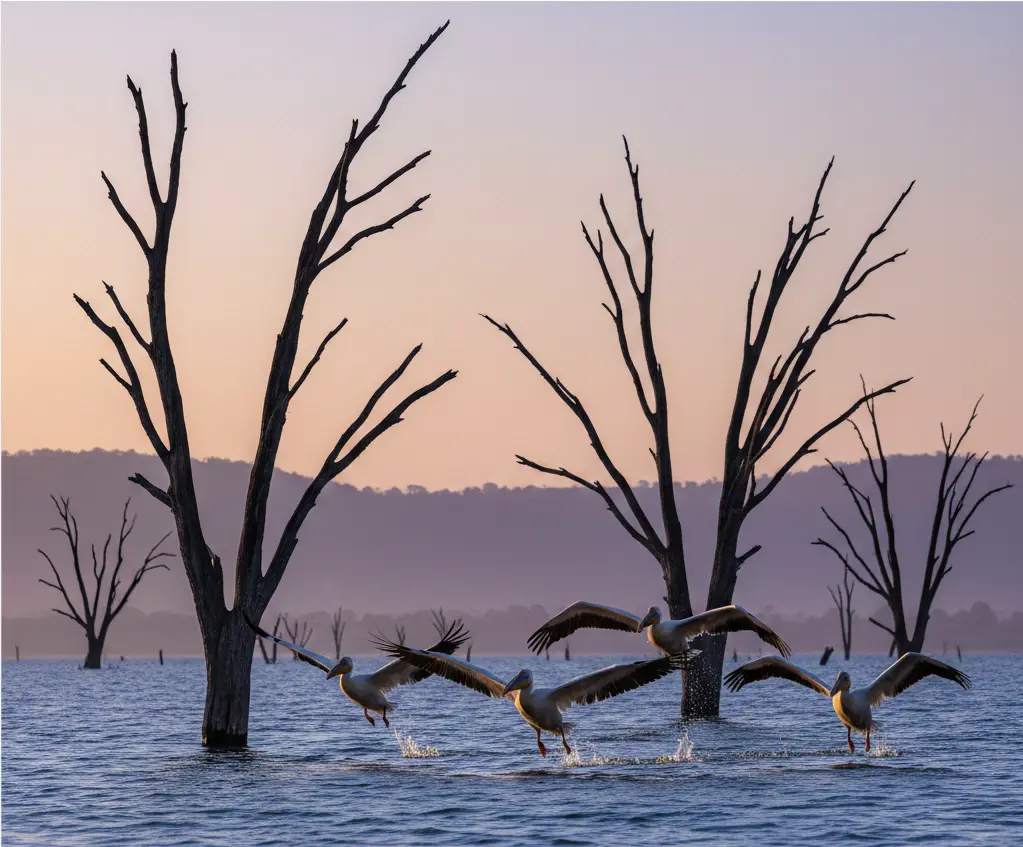
Bird Watching in Lake Nakuru National Park has transformed dramatically in 2026, shifting from a flamingo-centric spectacle to a diverse avian powerhouse. While the park remains world-renowned for its massive colonies of Great White Pelicans and nomadic Lesser Flamingos, the current ecosystem supports over 450 species, including rare raptors and the endemic Grey-crested Helmet-shrike.
What is the current state of Bird Watching in Lake Nakuru National Park?
In 2026, Bird Watching in Lake Nakuru National Park remains world-class, featuring over 450 species. Despite shifting lake levels, sightings of Great White Pelicans, African Fish Eagles, and Verreaux’s Eagles are guaranteed. The best birding spots have shifted south toward the Naishi Airstrip and the acacia woodlands near the Nderit mudflats.
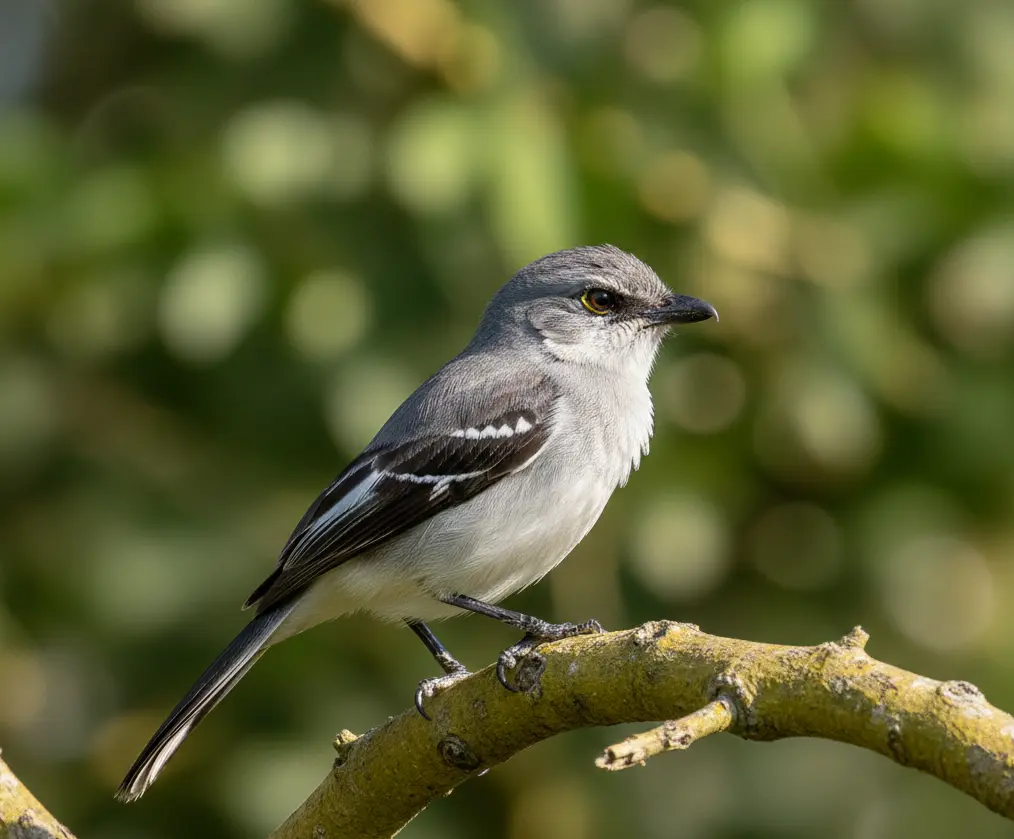
Most 2026 guides and historical databases are still promising “pink shorelines” that haven’t existed at that scale since the lake’s recent expansion. If you follow an outdated map, you will spend your safari navigating flooded tracks instead of spotting rare species. As an operator on the ground, I’ve tracked the lake’s expansion to over 82 Square Kilometers—a change that has pushed the highest birding activity away from the old viewpoints and into new, specialized corridors.
Whether you are stopping by on a 2-day Lake Nakuru & Naivasha safari or you are a dedicated enthusiast with high-end optics, you need the exact coordinates of today’s “hot zones.” This guide bypasses the generic, static lists found elsewhere to give you the ground-level reality of birding in Nakuru as it stands right now.
Quick Navigation: Jump to Your Section
The 2026 Birding Reality: Why Old Lists Are Wrong
The landscape for Bird Watching in Lake Nakuru National Park has been completely redefined by the lake’s massive expansion to 82 Square Kilometers. Most static Lake Nakuru bird lists still prioritize flamingos as the primary shoreline attraction, failing to mention that the water is now significantly less saline. This dilution has triggered a major shift in birding trends in Kenya, where Great White Pelicans have largely displaced Lesser Flamingos in the northern sectors.
While casual tourists are often disappointed to find fewer “pink lakes,” serious birders are seeing a surge in avian diversity. The submerged acacia forests have created a thriving environment for tree-nesting species and raptors that were rare a decade ago. This ecological pivot means your success in Bird Watching in Lake Nakuru National Park now depends on targeting freshwater inlets rather than the old, traditional salt-flats.
🛡️ OPERATOR INSIGHT: The “Pelican Takeover”
In 2026, the northern shoreline has become a permanent breeding colony for Great White Pelicans due to the abundance of Tilapia grahami. If your goal is high-density waterbird photography, avoid the flooded main gate areas and head to the Lanet sector. For more on navigating these new water levels, see our guide on which Lake Nakuru gate to use to reach the current hotspots without hitting dead-end flooded roads.
The lake levels impact on birds has also moved the food source further inland toward the Naishi floodplains. As the water swallowed the original shoreline, it created nutrient-rich “shallows” that now attract a higher concentration of Marabou Storks and Grey-headed Gulls. Relying on an outdated Lake Nakuru bird list will result in a safari spent at the wrong coordinates.
To maximize your time Bird Watching in Lake Nakuru National Park, you must treat the park as two distinct ecosystems: the deep northern reservoir and the southern mudflats. The southern end remains the last stronghold for the nomadic Lesser Flamingo populations when the salinity spikes briefly. Understanding this “North-South” divide is the secret to capturing the full 450-species diversity available in 2026.
Now that we’ve exposed the outdated myths of the shoreline, let’s pinpoint exactly where the birds are nesting today…
Top 5 Birding “Hot Zones” (Where to Go in 2026)
Successful bird watching in Lake Nakuru National Park now requires abandoning the central shoreline, which has become a deep-water reservoir. The most rewarding sightings in 2026 have shifted to the park’s periphery where shallow floodplains and dense woodlands provide refuge for specialized species. If you are driving yourself, you must be wary of “phantom tracks” on old GPS maps that lead directly into the lake.
1. The Naishi Airstrip and Southern Floodplains
The Naishi Airstrip birding circuit is currently the premier location for spotting ground-dwellers like the Secretary Bird and various Plovers. As the lake expanded, the retreating grasslands here created a unique “ecotone” where waterbirds meet savanna species. This is the most reliable spot in the park to see Kori Bustards performing their territorial displays in the early morning.
2. The Lanet Gate Fever Tree Forest
Entering through the eastern side allows you to document specific Lanet Gate species like the Narina Trogon and the Scaly-throated Honeyguide. The dense yellow-backed acacia (Fever Trees) here are less affected by flooding, making them a sanctuary for woodland specialists. For a smooth arrival to this zone, see our guide on Nairobi to Nakuru road hacks to learn more about the Lanet shortcut that saves you 40 minutes of city traffic.
3. Makalia Falls and the Southern Escarpment
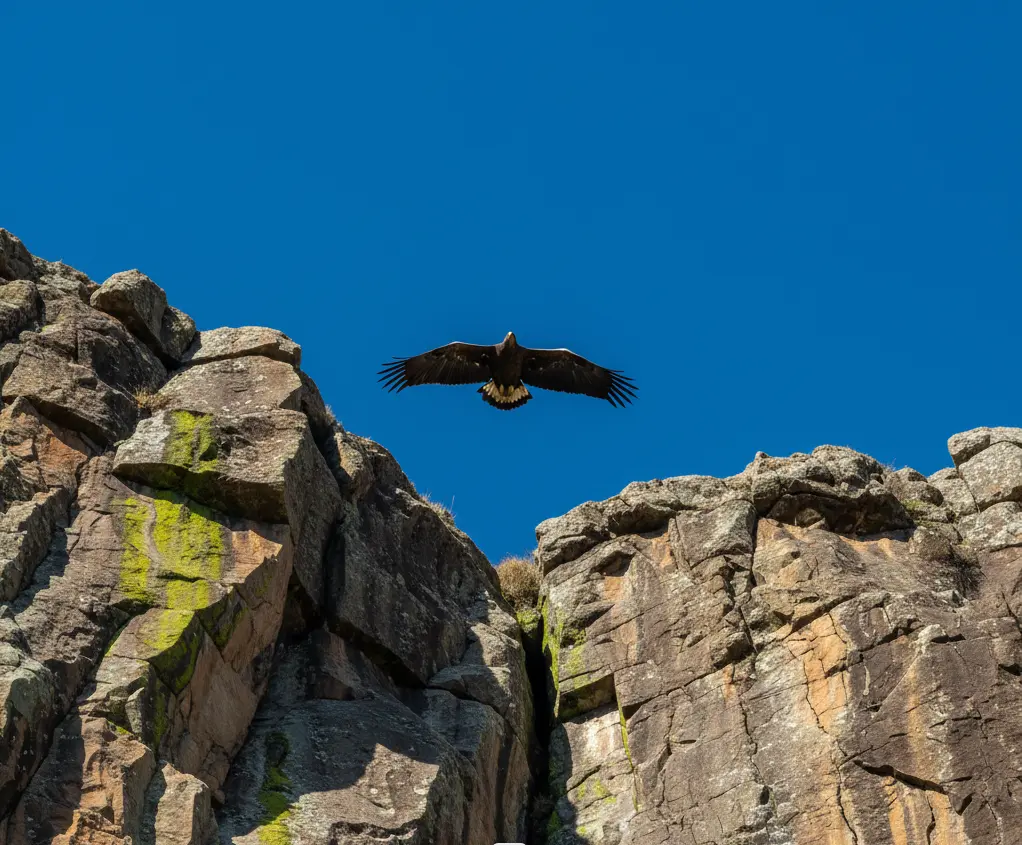
For those hunting Makalia Falls raptors, the rocky cliffs surrounding the waterfall are a high-value target for spotting Verreaux’s Eagles and Augur Buzzards. The updrafts created by the escarpment make this an effortless place to observe large birds of prey in flight. In 2026, the falls have remained active year-round, attracting thick-knees and wagtails to the cooling spray.
4. Nderit Mudflats (The Wader Capital)
The Nderit Mudflats offer the highest concentration of migratory waders and stalks in the southern sector. This area is the “buffer zone” where the lake depth remains shallow enough for Black-winged Stilts and Avocets to feed effectively. Because this area is prone to soft mud, ensure you have checked the ground conditions in the Kenya car hire survival guide to ensure your 4WD is properly equipped for off-track shoreline driving.
5. The “Dead Forest” (North-Eastern Shore)
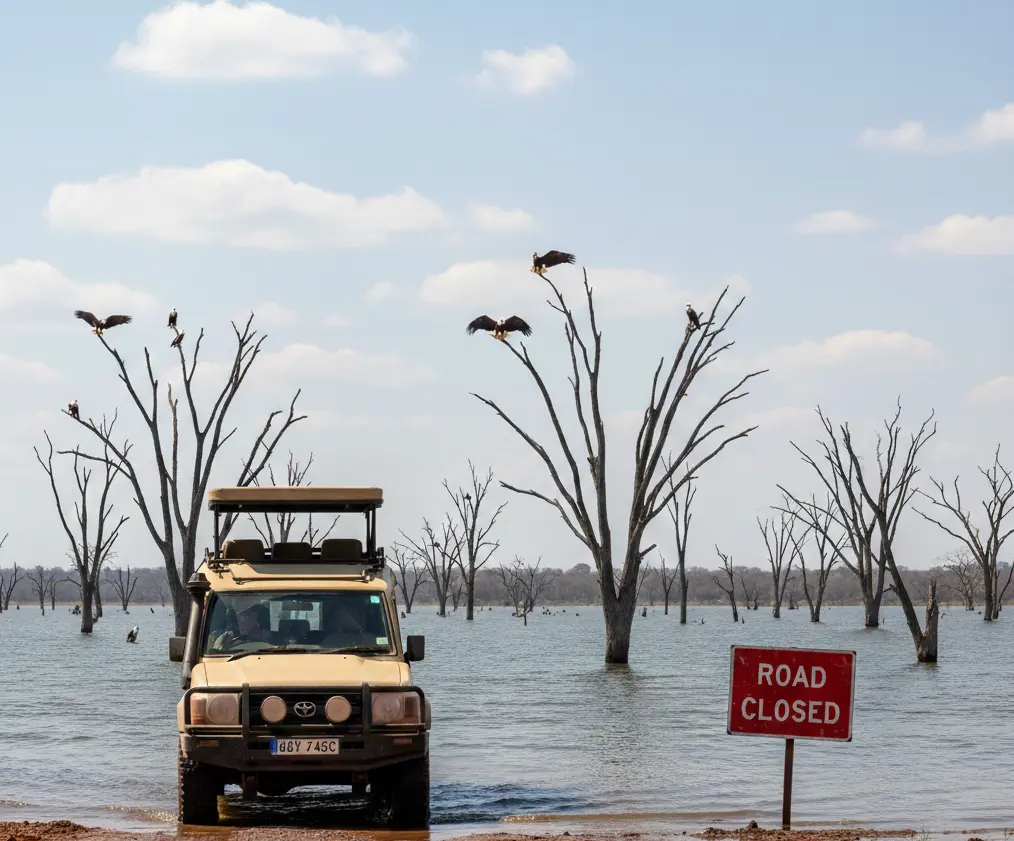
This eerie landscape of submerged, skeleton-like acacia trees has become the undisputed territory of the African Fish Eagle. In 2026, birders can count dozens of these raptors perched on the white, salt-crusted branches overlooking the water. It is a hauntingly beautiful spot that offers a stark contrast to the lush greenery found near the southern springs.
⚠️ 2026 ROAD ALERT: The Lion Hill Submersion
The old shoreline road connecting Lion Hill to the Baboon Cliff is currently underwater and impassable for standard vehicles. Attempting to bypass the KWS “Road Closed” signs can result in an on-the-spot fine of 5,000 KES and a high risk of vehicle stalling. To avoid these logistical traps, see our Lake Nakuru self-drive guide for the updated 2026 route hacks.
Now that we’ve mapped out the physical locations, let’s categorize the birds you will actually encounter in these zones…
The Lake Nakuru Bird List: Shoreline, Woodland & Cliff Species
To master bird watching in Lake Nakuru National Park, you must understand that the 2026 species distribution is dictated by habitat “entities.” Instead of a random checklist, we categorize these birds by their specific ecological niche. This structure allows you to know exactly which lens to have ready based on the terrain you are currently driving through.
1. The Shoreline & Open Water Giants
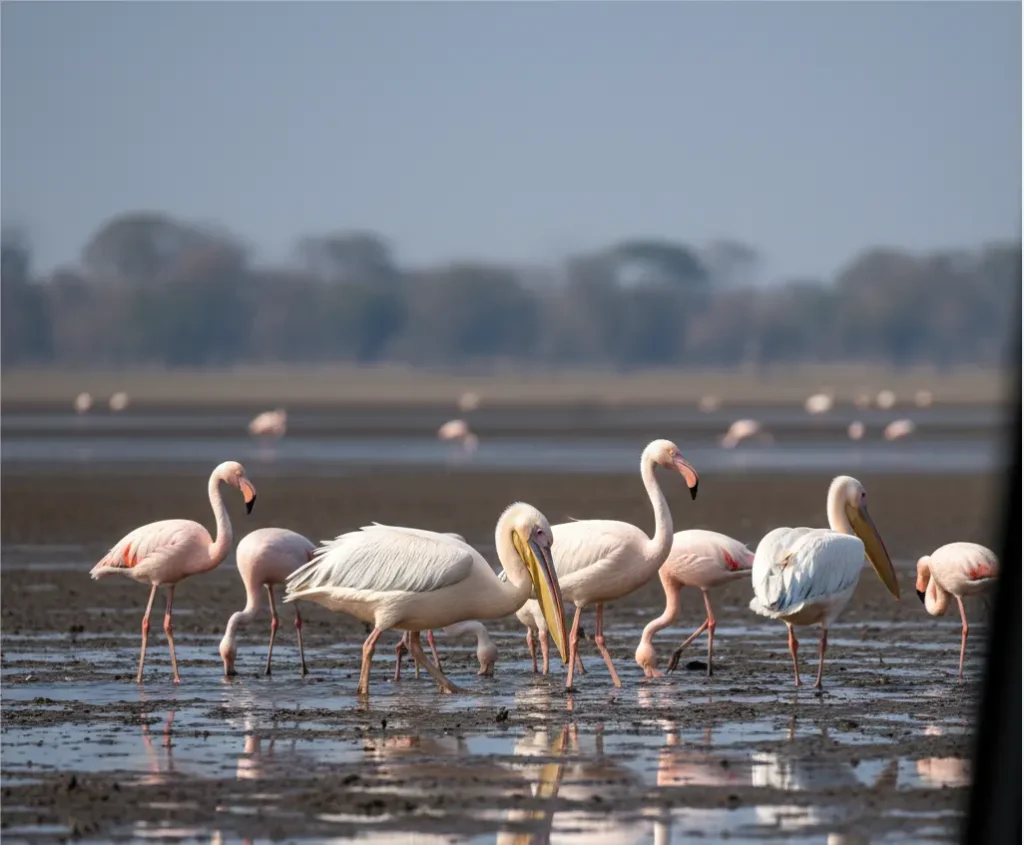
The expansion of the lake has led to a massive increase in Great White Pelican sightings, particularly near the northern inlets where they congregate to hunt Tilapia. While the Lesser Flamingo is nomadic, you can consistently spot the Greater Flamingo wading in the southern mudflats near the Nderit River mouth. This zone is also the best place for bird watching in Lake Nakuru National Park if you are looking for Black-winged Stilts, Pied Avocets, and African Spoonbills.
2. The Acacia Woodland & Forest Specialists
Moving away from the water into the fever tree forests, the target species change to colorful woodland specialists. The Grey-crested Helmet-shrike is one of the most sought-after endemic birds of Nakuru, often found moving in noisy groups through the acacia canopy. You should also keep an eye out for the Rüppell’s Starling and the Narina Trogon, which prefer the cooler, shaded sections of the park’s eastern side.
💡 PRO TIP: The “Golden Hour” Raptor Hunt
The dead acacia trees near the Hippo Point area are the premier African Fish Eagle spots in 2026. These raptors use the skeleton-trees as high-vantage hunting perches, offering incredible unobstructed photography angles. To ensure you don’t miss the 6:30 AM light, see our guide for Lake Nakuru National Park opening hours to learn more about gate timing and seasonal light shifts.
3. The Cliff-Dwellers and High-Altitude Predators
The rocky escarpments, specifically around Baboon Cliff and Out of Africa Lookout, are the territory of the park’s “air force.” This is where bird watching in Lake Nakuru National Park yields views of the Verreaux’s Eagle and the Lanner Falcon. These cliffs also host the Mocking Cliff-Chat and various Swifts that nesting in the crevices above the rising water line.
| Habitat Zone | Key Species to Spot | Best 2026 Viewing Point |
| Open Water | Great White Pelican, Lesser Flamingo | Northern Shore (Lanet Side) |
| Dead Forest | African Fish Eagle, Goliath Heron | Hippo Point / Lion Hill |
| Woodlands | Grey-crested Helmet-shrike, Trogons | Lanet Gate Acacia Forest |
| Cliffs | Verreaux’s Eagle, Augur Buzzard | Baboon Cliff / Makalia Falls |
🛡️ OPERATOR INSIGHT: The “No-Fly” Drone Rule
If you are coming for bird watching in Lake Nakuru National Park with hopes of aerial photography, be warned: KWS enforces a strict no-drone policy without a pre-approved commercial permit (which costs over $250 per day). Rangers at the gate will inspect vehicles for drone cases, and flying one illegally will result in immediate equipment confiscation and a heavy fine. For a stress-free entry, see our KWS entry fees and payment guide to ensure all your permits are in order before you arrive at the Lake Nakuru National Park.
While these 450 species form the backbone of the park’s biodiversity, we know most travelers are still scanning the horizon for the famous pink hue of the flamingo colonies…
The Flamingo Question: Where are they in 2026?
While bird watching in Lake Nakuru National Park is often synonymous with a sea of pink, their presence in 2026 is no longer a permanent guarantee at the main gates. Because the lake’s salinity has dropped due to the 82 Square Kilometers expansion, the Lesser Flamingos frequently migrate to Lake Bogoria or Lake Elementaita in search of spirulina algae. However, the Greater Flamingo remains a consistent resident, often seen wading in the deeper, fresher waters of the southern Nderit mudflats.
If you are a photographer specifically hunting for the “pink carpet” effect, you need to understand that their locations change weekly based on water pH levels. For a serious birder, missing the flamingos is rare, but finding the massive colonies requires a different logistical approach than spotting woodland species or raptors.
🛡️ OPERATOR INSIGHT: The Live Flamingo Tracker
Don’t waste your fuel driving to the old “Flamingo Watch” point near the main gate—it is currently deep water. Because their movement is so nomadic in 2026, we maintain a dedicated guide that tracks their current feeding grounds and the best photography lighting. For the most accurate sightings, see our Honest Insider Guide to Flamingos in Lake Nakuru to learn more about where the colonies are nesting this week.
Now that your spotter’s list is ready, let’s look at the calendar to find the exact window when these migrants arrive in the Rift Valley…
Best Month for Bird Watching in Lake Nakuru
Timing your arrival is the difference between seeing a few residents and witnessing a global avian intersection. The best time for birding Kenya generally falls between November and April, a window that transforms the park into a high-traffic hub for international travelers. During these months, bird watching in Lake Nakuru National Park peaks as thousands of Palearctic migrants descend into the Rift Valley from Europe and Northern Asia.
The arrival of the bird migration season in Kenya brings specialized species like the Northern Wheatear and various Willow Warblers to the acacia scrub. If you visit during the January to February dry spell, you’ll benefit from lower grass levels, making it much easier to spot ground-nesting birds and secretive raptors. While residents are present year-round, the sheer volume of species during the migrant window is an experience most enthusiasts shouldn’t trade for a quieter off-season.
🛡️ OPERATOR INSIGHT: The April Rain Factor
While April is technically part of the peak window, the “Long Rains” can make the black cotton soil in the southern Naishi sector notoriously difficult to navigate. If you are planning a trip during this time, see our guide on the best time to visit Lake Nakuru National Park for a breakdown of seasonal road conditions and park hour shifts.
For those focused on photography, the short rains in November offer the best “washed” air quality and vibrant green backgrounds. This period provides a dramatic contrast for bird watching in Lake Nakuru National Park, especially when capturing the iridescent plumage of Sunbirds or the stark white of the Great White Pelicans. Avoid the peak of the long rains in May if your vehicle isn’t a high-clearance 4×4, as the Nderit River crossing can become impassable without warning.
To ensure your optics are protected and your kit is ready for these varied weather patterns, let’s look at the specific gear you’ll need to pack…
Logistical Hacks: eCitizen, Binoculars & 6:00 AM Starts
Success in bird watching in Lake Nakuru National Park is often decided before you even enter the gate. In 2026, the transition to a fully digital payment system means that “winging it” at the entrance will result in missing the critical dawn chorus. If you aren’t inside the park by 6:30 AM, you’ve likely already missed the most active window for the park’s rare raptors and shy woodland species.
The eCitizen Gateway: Avoiding the Morning Queue
To secure your KWS birding permits, you must navigate the eCitizen KWSPay birding portal at least 24 hours in advance. The system is notoriously slow during peak hours, and rangers at the Main Gate no longer accept cash or direct M-Pesa payments for entry. Having your QR code pre-downloaded on your phone is the only way to bypass the frustrated line of tourists stuck at the gate.
💡 PRO TIP: The 6:00 AM “Gate-Lock” Hack
If you are staying outside the park, arrive at the gate by 5:45 AM even if the official opening is 6:00 AM. Rangers often start processing pre-paid eCitizen codes early to clear the morning rush. For a step-by-step breakdown on handling the digital transition, see our guide on how to pay Lake Nakuru park fees on eCitizen to ensure you aren’t left standing at the gate while the birds are most active.
Gear Selection: 8×42 vs. 10×42 Binoculars
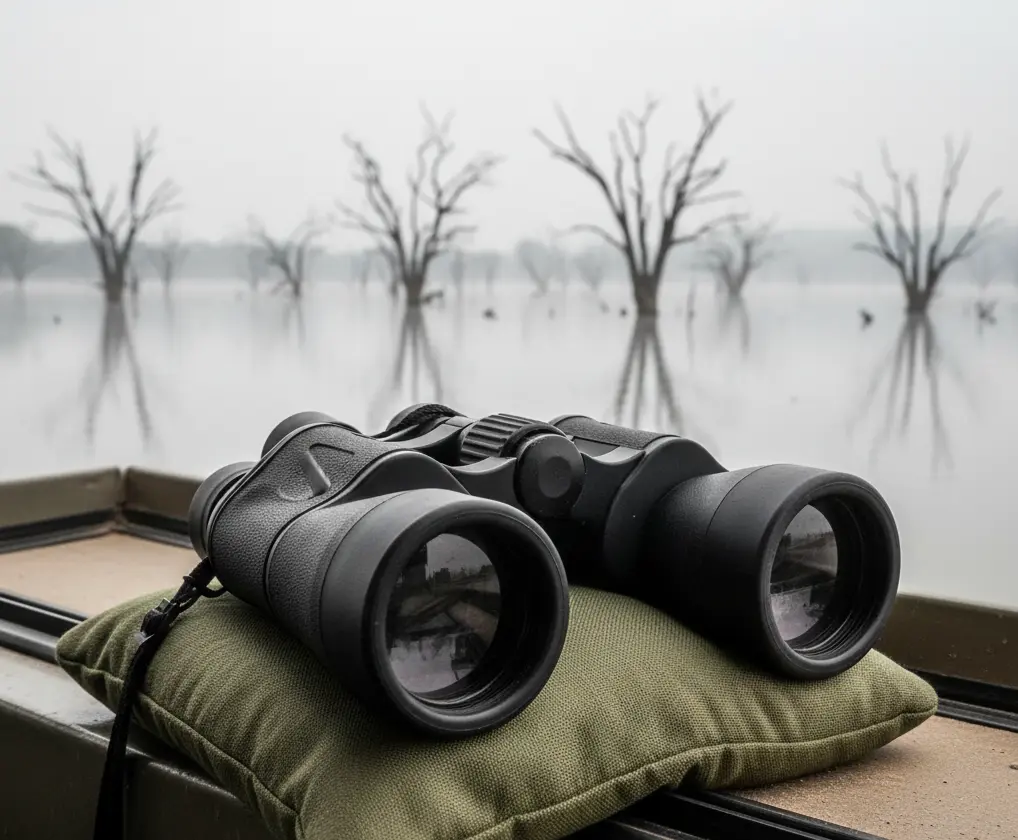
Choosing the best binoculars for safari in Nakuru depends on your specific target; for woodland birding near Lanet, 8×42 optics offer a wider field of view and better light transmission under the acacia canopy. However, for spotting Verreaux’s Eagles on the cliffs or identifying waders on the distant shoreline, 10×42 binoculars are essential for the extra reach. I personally recommend a waterproof pair with a harness, as the lake-side humidity in 2026 can quickly fog up cheap lenses.
The “Silent Operator” Technique
When bird watching in Lake Nakuru National Park, your vehicle’s engine is your biggest enemy. Once you spot a cluster of species, kill the engine and wait at least three minutes for the birds to settle back into their natural behavior. This “silent wait” is how we capture the rare Grey-crested Helmet-shrike on camera, as they are easily spooked by the vibration of a running diesel engine.
🛡️ OPERATOR INSIGHT: The Logistical Packing Hack
Don’t forget to pack a beanbag for your window sill; it is far more effective than a tripod inside a safari vehicle for steadying long lenses. If you’re still finalizing your gear, check out the ultimate Lake Nakuru safari packing list to see the 2026 logistical items that most travelers overlook.
With your gear calibrated and your permits in hand, let’s wrap up with the final verdict on Nakuru’s birding potential for the coming season…
Bird Watching vs. Flamingo Photography: What’s the Difference?
In 2026, travelers often arrive with the singular goal of capturing the “pink lake” aesthetic, only to find that the ecosystem has pivoted. There is a distinct difference between general wildlife photography Kenya sessions and dedicated Bird Watching in Lake Nakuru National Park. While a photographer might spend hours chasing a specific Flamingo vs Pelican shot at the water’s edge, a birder is looking for the 450 species that occupy the deep acacia woodlands and rocky cliffs.
Managing your expectations is the first step toward a successful safari in the current climate. Flamingo populations are now highly nomadic; they move between Rift Valley lakes based on weekly changes in water alkalinity. Conversely, the general birding diversity is at an all-time high because the 82 Square Kilometers lake expansion has created new freshwater habitats that attract stable populations of Kingfishers, Herons, and African Fish Eagles.
Bird Photography Tips: Nakuru’s New Lighting Reality
For those focused on bird photography tips Nakuru, the rising water levels have changed the “Golden Hour” angles. The most dramatic shots now occur in the southern “Dead Forest,” where the white, salt-crusted trees provide a high-contrast background for raptors. If you are shooting Pelicans, the northern Lanet inlets offer the best morning light, as the sun rises behind the Lion Hill escarpment, illuminating the spray as they hunt.
🛡️ OPERATOR INSIGHT: The “Pink Mirror” Trap
Do not be fooled by old photos showing flamingos at the main gate shoreline; in 2026, that area is a deep-water basin with zero wading birds. If your heart is set on high-density pink colonies, you need a different logistical strategy than a standard birding tour. Before you pack your telephoto lens, see our Honest Insider Guide to Flamingos in Lake Nakuru to see exactly where the massive colonies are nesting this week.
Success in bird watching in Lake Nakuru National Park requires a “Concierge” mindset—prioritize the rare endemics like the Grey-crested Helmet-shrike first, and treat flamingo sightings as a magnificent bonus. By diversifying your targets, you avoid the disappointment of the nomadic “pink wave” and instead capture the full spectrum of Rift Valley avian life. This approach ensures your memory cards are full of diverse species regardless of the lake’s current pH level.
Now that we’ve balanced the photography expectations, let’s wrap up with the final verdict on Nakuru’s birding capital status…
The Verdict: Is Nakuru Still the Birding Capital of the Rift?
Despite the dramatic shift in shoreline geography, bird watching in Lake Nakuru National Park remains an unrivaled experience for serious enthusiasts in 2026. While the “pink lake” era has evolved into a more diverse “Freshwater Oasis,” the park actually offers more ecological variety today than it did a decade ago. It is no longer just about one species; it is about a 450-species ecosystem that spans from the depths of the 82 square Kilometers lake to the heights of the Rift Valley escarpments.
The rise of the Great White Pelican and the flourishing of woodland endemics like the Grey-crested Helmet-shrike have solidified the park’s reputation among the global birding community. Even if you miss the nomadic Lesser Flamingo colonies, the sheer density of African Fish Eagles and specialized raptors ensures that every safari drive is productive. For those who prioritize biodiversity over a single “postcard” shot, Nakuru is undeniably still the king of the Rift Valley.
The Final Word on Planning Your 2026 Visit
To get the most out of your trip, you must move beyond the static, outdated guides found on generic travel sites. Success now depends on your willingness to explore the southern Naishi floodplains and the eastern Lanet forests rather than sticking to the flooded northern tracks. By timing your visit during the Palearctic migration and arriving at the gate for the 6:00 AM opening, you guarantee a world-class encounter with Kenya’s avian giants.
🛡️ OPERATOR INSIGHT: The Hidden Shoreline Lookout
Most travelers stop at Baboon Cliff, but in 2026, the “Out of Africa” lookout offers a much better perspective of the new southern shoreline and the migratory wader zones. This spot is often overlooked by large tour buses due to the steep track, giving you a private, panoramic view of the park’s transformation. For more secrets on navigating the terrain, see our Lake Nakuru National Park planning guide to build your perfect 2026 itinerary.
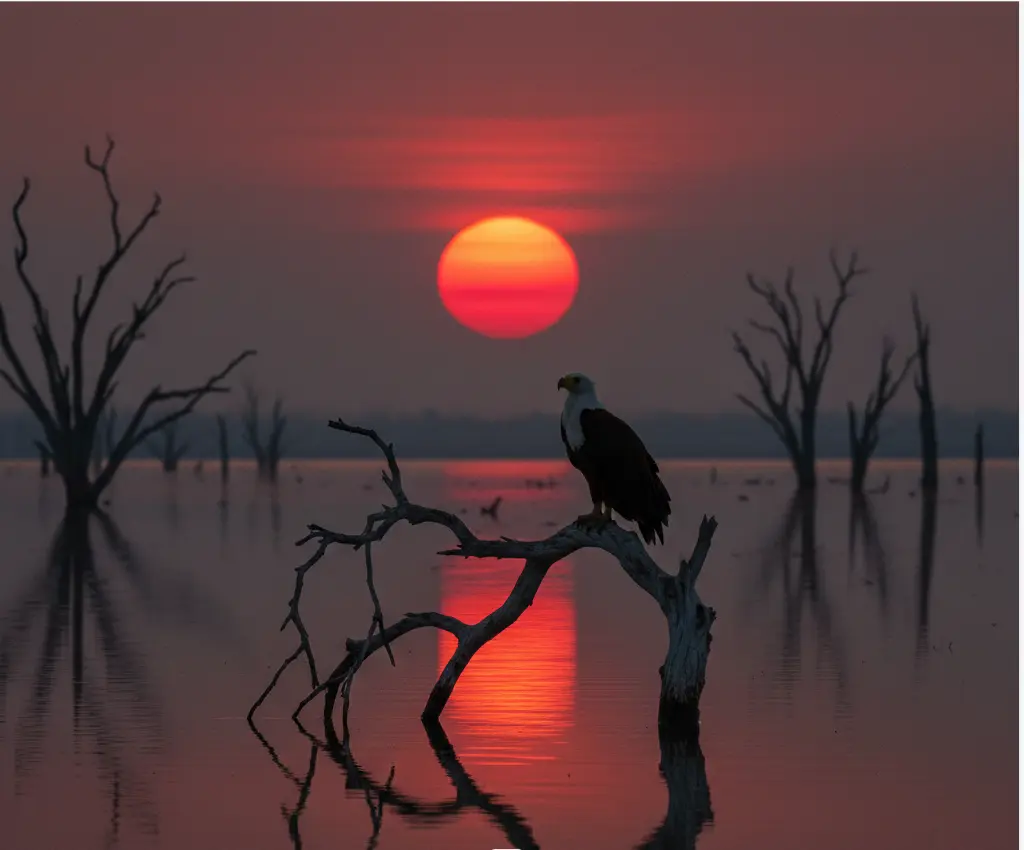
As the sun sets over the flooded acacia forests and the Fish Eagles make their final calls, you’ll realize that Nakuru’s beauty hasn’t diminished—it has simply reinvented itself. Whether you are a casual observer or a dedicated lister, the park’s current state offers a unique window into a landscape in transition.