Email:
 Phone:
 WhatsApp:

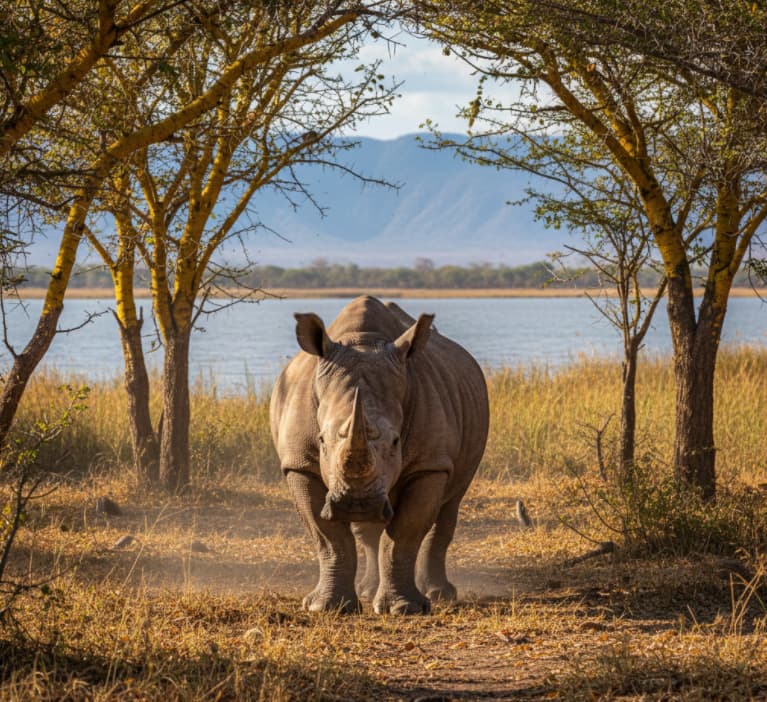
Today, planning a Lake Nakuru safari is about more than just checking a calendar—it is a strategic choice between peak wildlife activity and 2026 digital logistics. As you navigate your safari planning 2026, understanding that timing affects everything from eCitizen gate clearance to rhino sightings is the key to a successful journey through the Kenyan Rift Valley travel corridor.
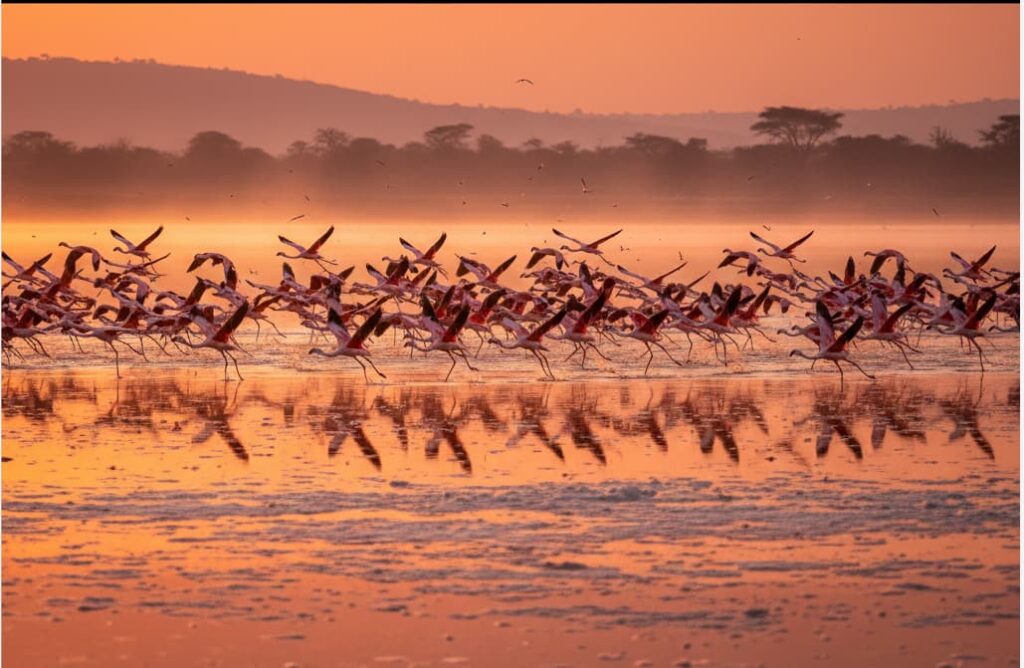
Hilmuks Quick Answer: The best time to visit Lake Nakuru National Park, Kenya is during the dry seasons from July to October and January to February. During these months, sparse vegetation makes it easier to spot white rhinos and leopards, while receding water levels often attract the highest concentrations of flamingos.
Quick Guide: Jump to Your Section
Daily Logistics: Lake Nakuru Opening & Closing Hours
Determining the best time to visit Lake Nakuru National Park begins with mastering the daily gate schedule. Nowadays, KWS maintains strict discipline regarding Lake Nakuru operating hours to ensure both visitor safety and the protection of the rhino sanctuary.
Official Gate Times
Official Opening: 6:00 AM
Official Closing: 6:00 PM
Park Entry Cutoff: 5:30 PM
Pro Tip: Arrive by 5:45 AM to be first in line when the gates open.
While the park technically stays open until sunset, the park entry cutoff is a critical detail. Rangers generally stop issuing new entries by 5:30 PM. If you are not staying at an internal lodge (like Sarova Lion Hill or Lake Nakuru Lodge), you will not be allowed to enter the park this late. See our comprehensive review of Lake Nakuru Lodges to find the best stay inside the park.
The “Early Bird” Advantage
For most travelers, the best time to visit Lake Nakuru National Park for a day trip is at the 6:00 AM sharp opening. Arriving early allows you to bypass the eCitizen verification delays that often occur mid-morning when tour vans arrive in large numbers. Arriving early also allows you to choose the Lanet Gate vs. Main Gate based on your arrival direction to beat the crowds to the Leopard Loop.
The “Golden Hours”: Best Time of Day for Wildlife
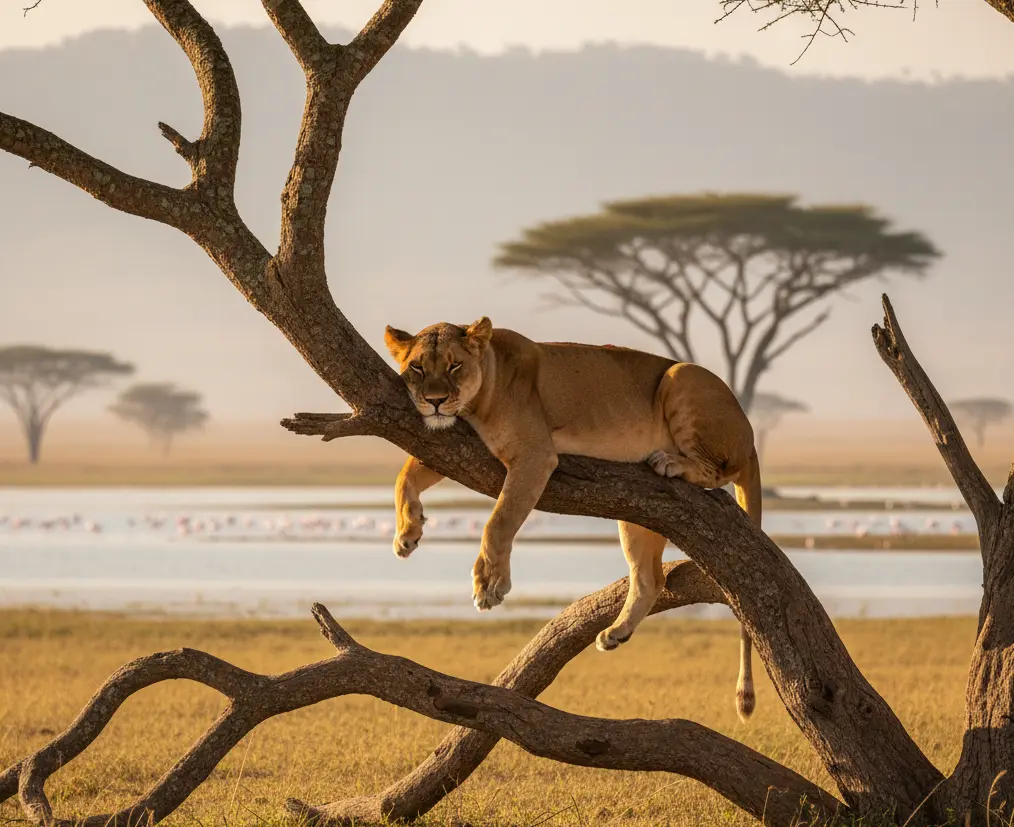
To see the most animals, the best time to visit Lake Nakuru National Park is during the “Golden Hours”—the first and last few hours of the day. While the park is beautiful at any time, these specific windows are when the most famous residents are active and the light is perfect for your photos.
The Strategy: Why 6:30 AM and 4:00 PM are Non-Negotiable
Wildlife behavior follows the temperature. In the heat of the day, predators hide in the thick acacia forests, and rhinos often retreat into the shade. By focusing on these two windows, you align your trip with peak predator activity hours:
- 🌅The Morning Window (6:30 AM – 9:00 AM): This is the best time for game drives in Lake Nakuru if you want to see lions and the park’s elusive leopards. As the sun rises, these big cats are often finishing a night hunt.
- 🌆The Evening Window (4:00 PM – 6:00 PM): As the temperature drops, herbivores like buffalo and waterbuck move toward the water, often followed by predators emerging from their daytime naps.
📸Photography Tip: The 6:30 AM start isn’t just for the animals; it’s for the atmosphere. Early morning often brings a soft mist over the lake, creating a dreamy backdrop for photos of flamingos and pelicans.
Understanding the New 2026 24-Hour Ticket Rule
Understanding the best time to visit Lake Nakuru National Park is not just about the weather—it is about timing your entry to get the most value for your money.
💰The “Money Hack”: How the KWS 24-Hour Rule Works
One of the most important things to know for your safari planning is that your ticket is not just for a “calendar day.” Your park ticket validity at Lake Nakuru lasts for exactly 24 hours from the moment it is scanned at the gate.
This is a game-changer for anyone staying at lodges inside the park. For example, if you enter the park at 2:00 PM on a Tuesday, your entry fee covers you until 2:00 PM on Wednesday. To see exactly how much you’ll need to load onto your eCitizen wallet for this period, refer to our Updated Lake Nakuru Park Fees list.
Critical Payment Note: If you haven’t set up your account yet, check out our Step-by-Step Guide on How to Pay Lake Nakuru Park Fees via eCitizen to generate your QR code in advance.
Seasonal Guide: When is the Best Month to Visit Lake Nakuru?
Because the park is fenced, the wildlife doesn’t migrate away, but the Lake Nakuru weather by month significantly changes visibility and pricing.
The Dry Season (June – October): Best for Rhinos and Buffaloes
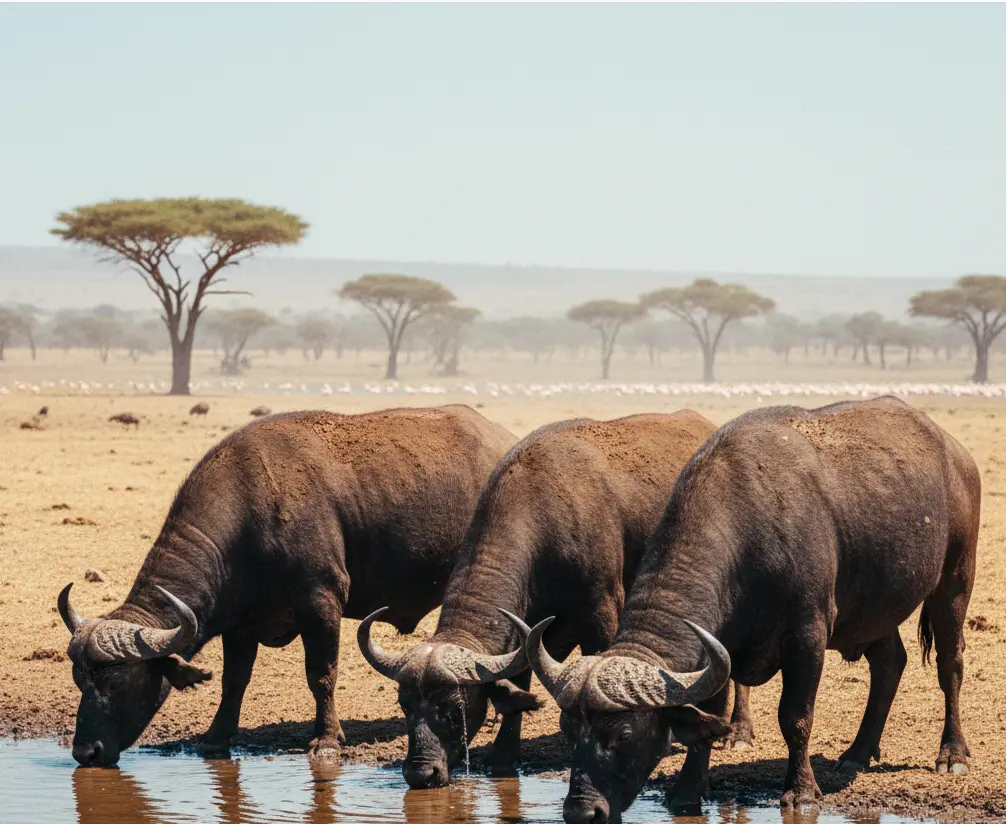
The long dry season is widely considered the best month to visit Kenya for a classic safari. As the park dries out, the grass becomes short and yellow, making it much easier to spot the white rhinos and buffaloes that graze on the open plains.
🐆Wildlife Sightings: Animals gather around the remaining water sources at the lake shore, making sightings predictable and frequent. This is the peak window for seeing leopards in the acacia trees.
📸Photography: You get clear, blue skies and very little dust in the air early in the season, which is perfect for capturing the park’s famous “Yellow Fever” forests.
👥Crowds: This is “High Season,” so expect more vehicles at popular sightings, especially during the July-August Great Migration window in nearby Masai Mara.
🔔IMPORTANT: While the park roads are clear, the journey from the capital is currently impacted by the Rironi–Mau Summit highway dualling. To ensure your 4-hour safari transit doesn’t turn into an 8-hour construction delay, check our updated Nairobi to Nakuru 2026 transport guide for the latest matatu fares, road hacks, and the Lanet shortcut.”
Many travelers combine Nakuru with the Great Migration; if you’re heading south after Nakuru, see our 3-Day Masai Mara Practical Guide to help you time your arrival.
The Wet Season (November – May): Lush Views & Deals
Don’t let the rains scare you. The dry season vs rainy season safari debate in Nakuru is unique because the park remains accessible even when it rains.
🦩The Flamingo Factor: Surprisingly, the rainy periods (especially November and April) often trigger algae blooms that can attract massive flocks of flamingos back to the shores.
🌿Landscape: The park turns a vibrant, deep green. For many, this is the most beautiful time for landscape photography as the dust disappears and the air becomes incredibly crisp.
💸Low Season Safari Deals: If you are traveling on a budget, this is the best time to visit Lake Nakuru National Park. Many luxury lodges offer significant discounts during April and May, allowing you to stay at premium properties for a fraction of the high-season price.
For budget travelers, the rainy season also offers the most predictable availability for Lake Nakuru camping, allowing you to secure dry-ground special campsites that are often overbooked by overlanders during the peak dry months.
| Month | Season Type | Best For |
| Jan – Feb | Short Dry | Rhinos, warm weather, and clear skies. |
| Mar – May | Long Rains | Lush greenery and low-season safari deals. |
| Jun – Oct | Long Dry | Peak wildlife viewing and Leopards. |
| Nov – Dec | Short Rains | Beautiful photography and migratory birds. |
Nakuru isn’t the only park with great low-season value; compare this with our Amboseli Safari Cost & Travel Guide to see how to stretch your budget across both parks.
The Flamingo Report: Best Time for Birdwatching
When it comes to the best time to visit Lake Nakuru National Park, the “Pink Lake” is the most talked-about yet unpredictable feature. Currently, seeing the famous flamingos is less about the date on the calendar and more about the specific chemistry of the water.
The Reality: Water Levels vs. The “Pink Lake”
For decades, Lake Nakuru was famous for millions of lesser flamingos Nakuru. However, due to rising water levels in the Rift Valley over the last few years, the lake’s alkalinity has been diluted. This change reduces the growth of Spirulina (blue-green algae), which is the primary food for these birds.
When the water is high and fresh, the flamingos often migrate to nearby Lake Bogoria or Lake Elementaita. To have the best birdwatching in Kenya experience, you must time your visit when the lake is at its “salty” peak.
The New Forecast: January – March
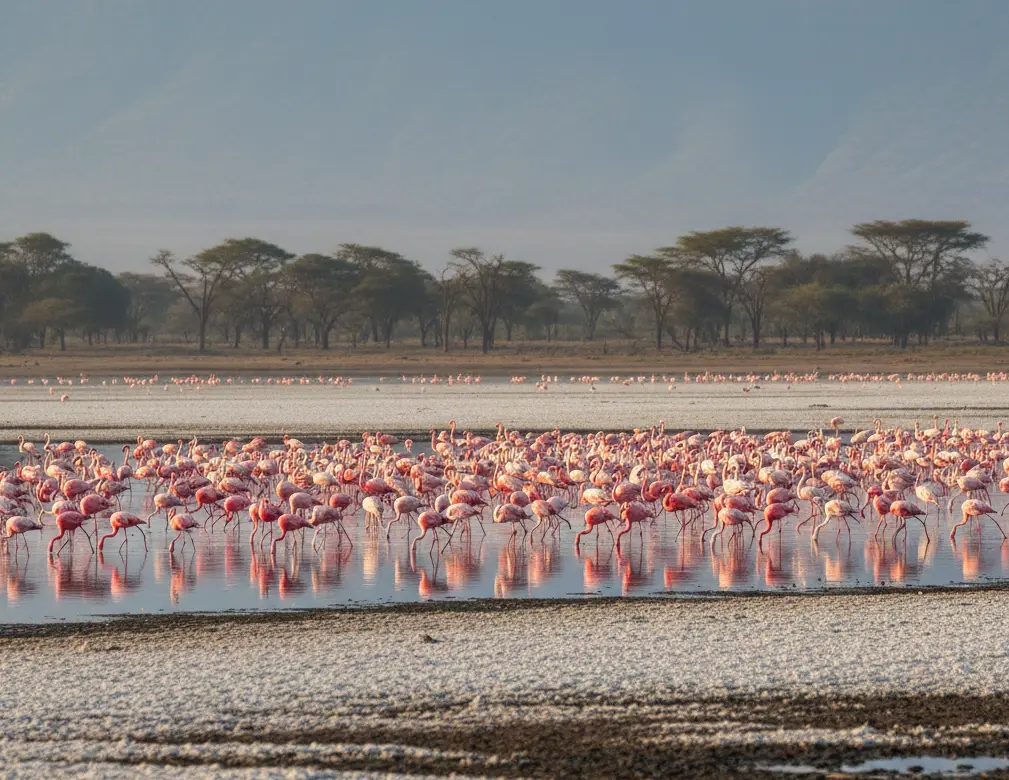
Current environmental trends suggest that the months of January, February, and March hold the most promise for flamingo sightings.
The Dry Heat Advantage: During these hot months, water evaporates, the lake recedes, and the salinity increases. This “concentrates” the food supply, drawing the birds back to the shoreline.
Greater vs. Lesser Flamingos: While the huge “pink carpet” of lesser flamingos is harder to find than in the 90s, you will almost always see the larger, paler Greater Flamingos, which are more adaptable and stay in Nakuru year-round.
🐦Best Time for a Birding Safari
If your goal is a comprehensive best time for birding safari, aim for the window between November and April.
Migratory Arrivals: This is when the park welcomes “winter” migrants from Europe and Asia.
Species Diversity: Beyond flamingos, you can spot pelicans, African fish eagles, and specialized woodland birds in the acacia forests.
🧠Expert Tip: Don’t just look at the water. In 2026, the best “flamingo reports” actually come from the southern end of the lake (near the Nderit area), where the water is often shallower and more favorable for feeding. For a full breakdown of the best entry point, see our guide on which Lake Nakuru gate to use to Nderit area.
Strategic Summary: The “Nairobi Day Trip” Timeline
For many travelers, the best time to visit Lake Nakuru National Park is during a fast-paced day trip from the capital. Because the drive involves the busy A104 highway and the Mai Mahiu escarpment, timing is everything.
While a single day is possible, it is very rushed. For a more relaxed pace, most visitors opt for a 2-Day Nakuru & Naivasha Combined Safari. However, if you only have one day, follow this proven timeline:
The Ultimate 1-Day Lake Nakuru Itinerary
05:00 AM: Departure from Nairobi (Beat the traffic!)
08:30 AM: Arrival & Gate Clearance.
09:00 AM – 12:30 PM: Morning Game Drive (Rhinos & Leopard Loop).
12:30 PM – 02:00 PM: Picnic Lunch at Baboon Cliff.
02:00 PM – 04:30 PM: Southern Circuit (Flamingo spotting).
04:30 PM: Park Exit (Climb the escarpment before dark).
⭐Final Expert Summary for Travelers
While a Lake Nakuru day trip from Nairobi makes for a long day, it is highly rewarding if you respect the park’s “Golden Hours.” By aligning your travel with the 6:00 AM – 6:00 PM gate hours, you can experience the best of the park’s wildlife and still be back in the city for dinner.
What’s Next for Your Trip?
- Master the Map: Check our Master Planning Guide to Lake Nakuru for a full overview of attractions.
- Avoid Gate Stress: Read our guide on How to Pay via eCitizen to ensure your payment syncs before you arrive.
- Driving your Own Car?: Don’t just wing it. Check our Lake Nakuru Self-Drive Hacks for 2026 park rules, hidden 2WD-friendly loops, and how to avoid the KES 20,000 off-road fine.
- Planning your trip? Make sure to read our guide on how to get from Nairobi to Nakuru in 2026 to avoid the latest highway bottlenecks.
Hilmuks Note: This article is updated monthly to reflect water levels and gate protocols. Safe travels!