Email:
 Phone:
 WhatsApp:

The best things to do in Lake Nakuru National Park in 2026 include tracking endangered Black and White Rhinos in the southern plains, observing massive Great White Pelican colonies, and visiting Baboon Cliff for panoramic views. Visitors can also explore Makalia Falls, spot Rothschild’s giraffes in acacia forests, and bird-watch at the Nderit mudflats.
Quick Answer: Is Lake Nakuru still worth visiting in 2026?
Yes, but the experience has changed. Due to the 82km² lake expansion, the iconic flamingos have moved to shallower southern mudflats, while the park has become a premier sanctuary for rhinos and water birds. To access the best “dry” game viewing tracks, travelers should prioritize the Lanet Gate entrance to avoid the flooded lower shoreline circuits.
Most 2026 travel guides are still showing maps from a decade ago, but the ground reality is that Lake Nakuru is a very different park today. Because many standard itineraries haven’t been updated to reflect the recent water level rises, travelers often find themselves directed toward shoreline tracks that are now underwater. My goal is to help you skip the flooded road signs and head straight to where the wildlife has actually moved.
As a local operator, I’ve mapped out the activities that are actually accessible right now. Whether you are arriving for a safari or staying at one of the park’s lodges, you need a strategy that accounts for the new shoreline.
This isn’t just a list of “game drives”—it’s a logistical guide to the best things to do in Lake Nakuru National Park without getting your vehicle stuck or your park fees stuck in “Pending” status at the gate.
Quick Navigation-Jump to Your Section
1. Explore the Rhino Sanctuary (The Southern Strategy)
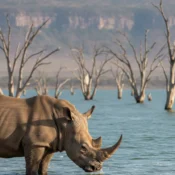
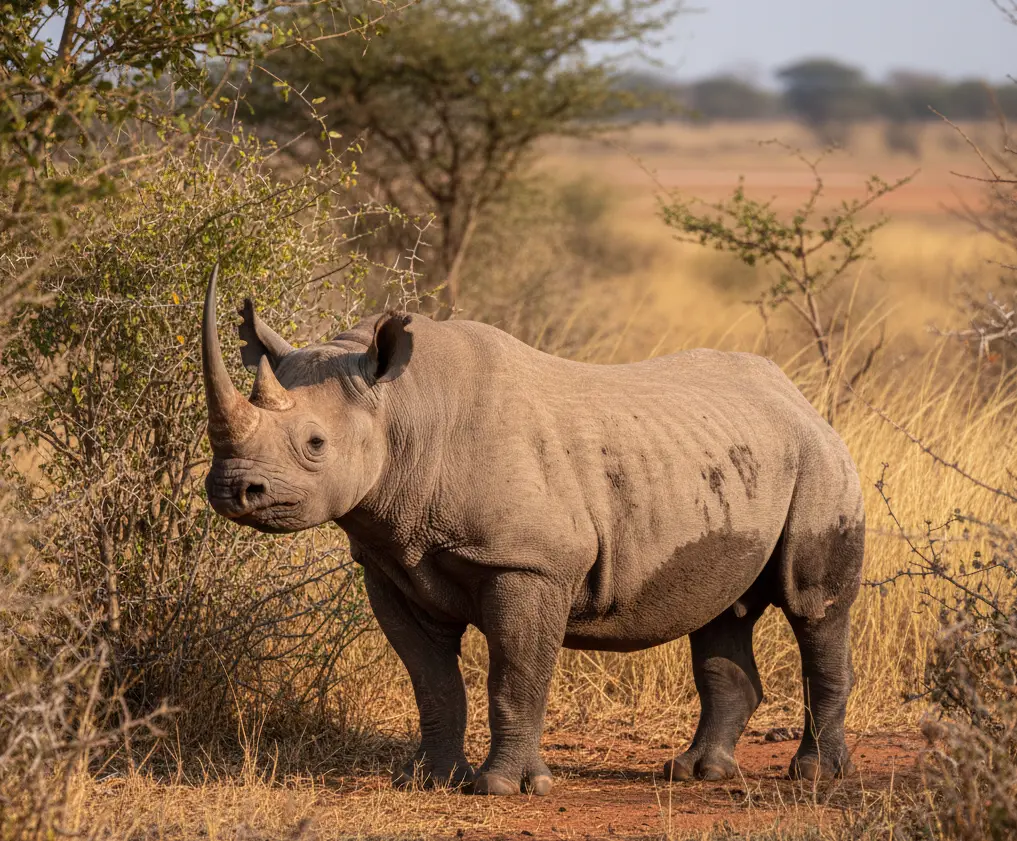
Tracking both Black and White Rhinos remains the crown jewel among things to do in Lake Nakuru National Park in 2026. Because the northern tracks are frequently compromised by rising water, the most consistent sightings have moved to the southern plains and the denser vegetation near the Makalia drainage. These southern “dry” zones offer stable terrain for game viewing, making it the most reliable area for observing these endangered species in Kenya.
The southern strategy is non-negotiable for anyone serious about seeing the “Big Five” (minus the elephant) in a single afternoon. While White Rhinos are often seen grazing openly on the grassy fringes, spotting the more elusive Black Rhino requires navigating the scrubland near the Naishi airstrip. Using this sector effectively is one of the smartest things to do in Lake Nakuru National Park to avoid the crowds that linger near the flooded main gate.
🛡️ OPERATOR INSIGHT
For the highest probability of a close encounter, focus your drive between the Naishi and Lanet sectors. We’ve found that rhinos in 2026 are moving deeper into the southern thickets to escape the increased noise from the main gate construction—see our Rhinos in Lake Nakuru insider’s guide for the specific GPS zones where sightings are currently guaranteed.
The park’s status as a sanctuary means the density of these prehistoric giants is high, but the “safe driving zones” have shrunk due to the rising water table. You must stay on the designated tracks; KWS has significantly increased patrols in 2026, and venturing into the mudflats to get a “better photo” can result in an immediate on-the-spot fine of KSh 10,000.
If you are navigating the park without a professional guide, the shifting terrain can be a literal trap for your vehicle. Sticking to the southern limestone ridges ensures you stay out of the silt and in the line of sight of the rhino monitors. To ensure you don’t end up needing a costly KWS recovery tow, check out our Lake Nakuru self-drive guide for the specific 2026 route hacks and the high-clearance rules you must follow.
Now that we’ve pinned down the best spots for the heavy hitters, let’s climb higher to get a bird’s-eye view of the 82km² expansion…
2. Photography at Baboon Cliff and Lion Hill Viewpoints
Capturing Rift Valley panoramic views from Baboon Cliff is a non-negotiable addition to your list of things to do in Lake Nakuru National Park in 2026. At this elevation, the scale of the 82km² lake expansion becomes starkly visible, revealing how the water has swallowed the old acacia forests. It is the only location where you can achieve aerial lake views without a drone—which, as a reminder, are strictly prohibited without a specialized KWS permit that costs over $250.
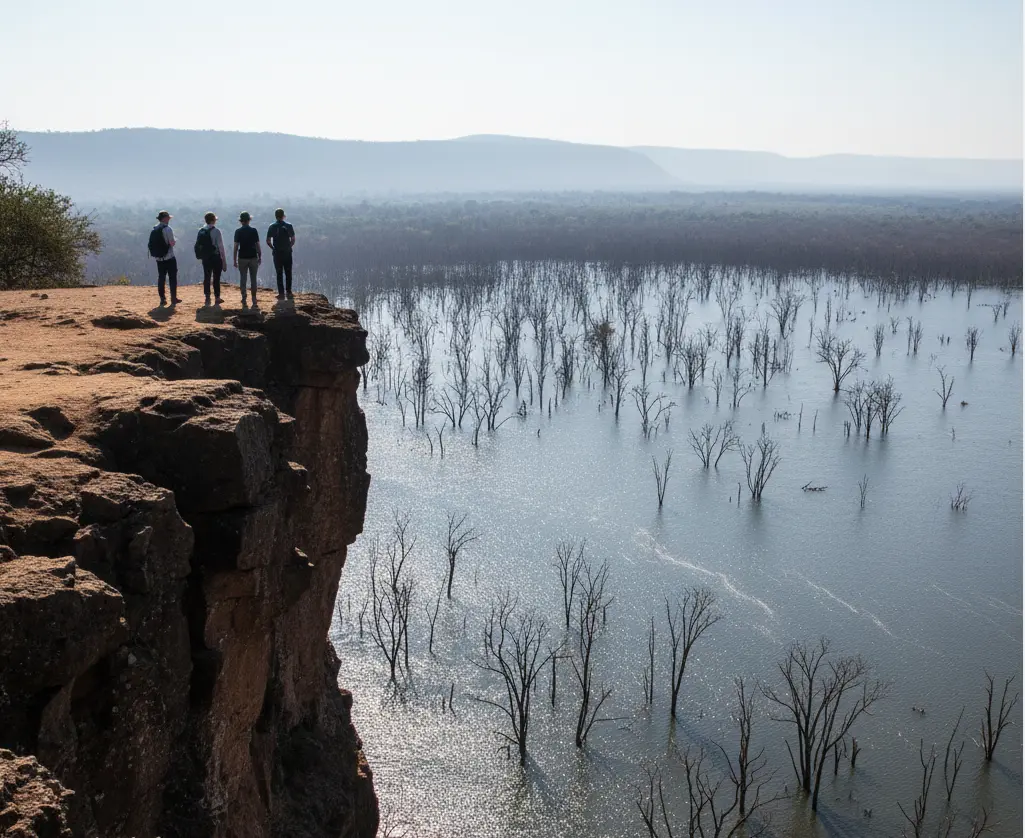
Lion Hill offers a different perspective, providing the best photography spots Nakuru has for golden hour shots of the southern plains. While Baboon Cliff is often crowded with midday picnickers, Lion Hill remains a quieter alternative for tracking the movement of pelican flocks across the horizon. If you are a serious birder, check out our 450-species spotter’s map to see which rare species are currently nesting on the cliffsides.
💡 Pro-TIP
Don’t leave your vehicle unattended at Baboon Cliff even for a second; the resident baboons have learned how to operate door handles and will snatch camera bags in the blink of an eye. If you’re bringing high-end gear, see our 2026 logistical guide for safari packing to learn how to secure your equipment against both the natural elements and the local primates.
For those planning their things to do in Lake Nakuru National Park around light quality, morning is best for Baboon Cliff to avoid shooting directly into the sun. The cliff face provides a natural blind, allowing you to photograph the raptors that use the thermals to hunt along the escarpment. By 2026, the park rangers have also enforced a strict “No-Exit” rule outside of these designated viewpoints to protect the fragile regrowth on the new shorelines.
Once you’ve captured the scale of the lake from above, it’s time to head back down to the water’s edge to find the birds that made this park famous…
3. Witness the “Pelican Takeover” at the Shoreline
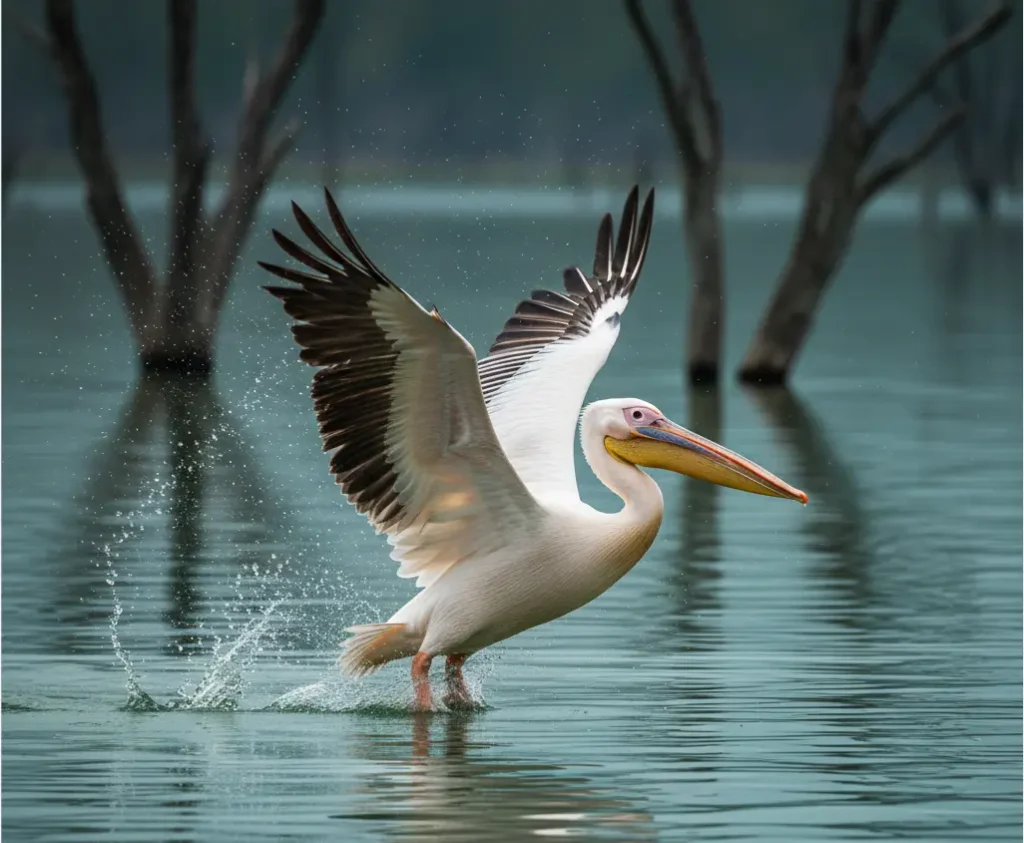
One of the most surprising things to do in Lake Nakuru National Park in 2026 is witnessing the massive colonies of Great White Pelicans that now dominate the shoreline. While the park was historically famous for a pink rim of flamingos, the increased water depth has favored these giant piscivores, which now congregate in the thousands near the submerged acacia groves. This shift is a direct result of the lake’s desalination, which has allowed freshwater fish like Tilapia to thrive, providing an endless buffet for the pelicans.
For those still chasing the classic pink aesthetic, the Lesser Flamingo migration patterns have become more unpredictable in 2026. You will likely see scattered clusters rather than the millions seen in the 90s, as most have moved to the shallower, more alkaline waters of Lake Bogoria. However, seeing the synchronized takeoff of ten thousand pelicans is a thunderous experience that has arguably become one of the more impressive things to do in Lake Nakuru National Park for modern travelers.
🛡️ OPERATOR INSIGHT
Don’t waste your morning searching the northern “Presidential” shoreline for flamingos—it’s too deep for them now. If you want the “Honest Insider” truth about where the pink clouds are actually hiding this week, check our Flamingos in Lake Nakuru 2026 guide to find the exact mudflats where the water is still shallow enough for the flamingos to survive.
The southern Nderit area remains the premier birding hotspot 2026 for those looking to photograph both species in one frame. Because the pelicans are heavy, they tend to stay close to the water’s surface, creating incredible reflection shots against the “Dead Forest” backdrop. Note that the KWS rangers are now strictly enforcing a 100-meter “Buffer Zone” from the water’s edge to prevent vehicles from sinking in the soft silt, so bring a telephoto lens if you want those close-up details.
Now that we’ve covered the lake’s feathered residents, let’s drive deeper south to the park’s edge where the Makalia River drops into a hidden canyon…
4. Chasing Waterfalls: A Trip to Makalia Falls
Driving to the southernmost tip of the park to visit Makalia Falls is one of the most adventurous things to do in Lake Nakuru National Park in 2026. This southern sector safari route takes you away from the flooded lakeside and into a rugged landscape of riverine forests and hidden canyons. While the falls are seasonal, the true draw is the “safe-to-walk” zone at the base, offering a rare chance to step out of your vehicle and feel the Rift Valley breeze on your face.
The road leading here is where most “standard” itineraries fail, as it requires navigating steep limestone ridges that can be treacherous after a downpour. To ensure you don’t end up stranded, check our 2026 Kenya car hire survival guide for the specific 7-point vehicle check you need before attempting these southern trails. Success here depends entirely on your 4WD road conditions—if the Makalia River crossing is flowing deep, the park rangers will often close the final 500 meters for your safety.
⚠️ 2026 ROAD ALERT
The drift at the Makalia crossing was reinforced with loose gravel in early 2026, which can be deceptively slippery for heavy 4x4s. If you are on a self-drive safari, avoid the “shortcut” track through the high grass near the campsite; it’s a known black hole for vehicles with lower clearance—see our Lake Nakuru self-drive route hacks to find the only stable river-crossing point currently in use.
For those planning a full day of it, the falls serve as one of the best picnic spots Nakuru has left, far removed from the dust and noise of the main gate. The area is also a hotspot for the “secret” wildlife of the park, including elands and the occasional leopard that hunts the rocky cliffs above the water. By 2026, KWS has added a small ranger post nearby, making this once-remote corner one of the safest places to enjoy a quiet lunch in the wild.
Now that we’ve explored the southern depths, let’s head back into the yellow-fever acacia forests to find the park’s tallest and most graceful survivors…
5. Search for the Rare Rothschild’s Giraffe
Finding the endangered giraffe species known as the Rothschild’s (or Baringo) giraffe is one of the most rewarding things to do in Lake Nakuru National Park in 2026. Unlike the common Reticulated or Masai giraffes found elsewhere in Kenya, these giants are distinguished by their creamy white “stockings” that stop at the knee. They primarily inhabit the yellow-fever acacia forest drive that fringes the lake, though the rising water has forced them to move into the higher, denser thickets of the southern Lion Hill woods.
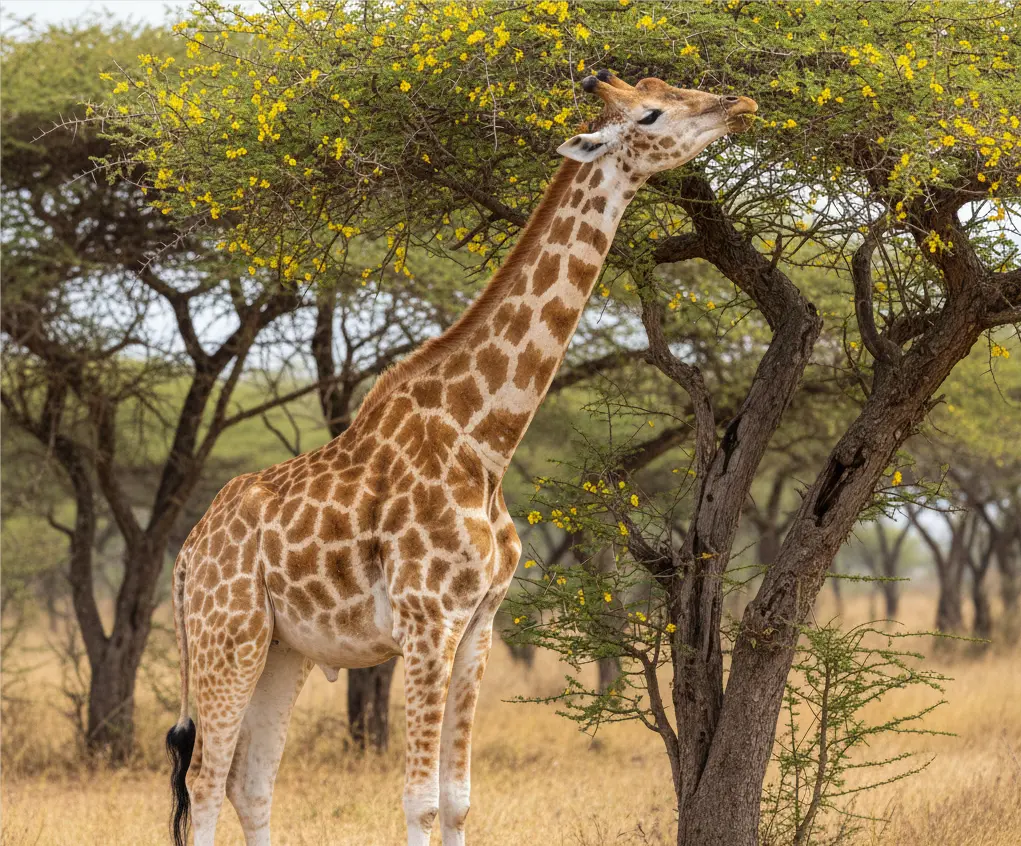
For the best wildlife photography tips, try to time your search for the early morning when the giraffes move into the clearings to feed on fresh acacia shoots. The contrast between their dark patterns and the pale yellow bark of the trees creates a stunning backdrop, but be prepared for “peek-a-boo” shots as they often hide behind the dense canopy.
💡 Pro-Tip
Many travelers mistake the common giraffes seen on the way to the park for the Rothschild’s; remember that Nakuru is one of the few places where the Rothschild’s is protected in a pure genetic line. To ensure you are looking in the right direction, check our insider’s bird watching map which also marks the specific acacia glades where rangers have recently spotted the largest towers (groups) of giraffes.
As a sanctuary for these endangered giants, the park enforces a strict “no-off-roading” policy in the forest to prevent soil compaction around the acacia roots. In 2026, KWS has introduced infrared monitoring in certain high-density zones to track both rhinos and giraffes, so straying from the track is a guaranteed way to get flagged at the exit gate. Stick to the well-worn loops near the Naishi area for the safest and most productive viewing experience.
Having spotted the tallest residents of the forest, it’s time to turn our attention to the park’s most elusive predator, hiding in the shadows of the rocky escarpments…
6. Track Leopards along the Lion Hill Cliffs
Spotting a leopard is the ultimate challenge among things to do in Lake Nakuru National Park in 2026. While these nocturnal predators in Kenya are famously shy, the rocky escarpments of Lion Hill and the dense fever-tree forests provide the perfect camouflage for them. Unlike the open plains of the Mara, leopard sightings here often require a “vertical” search—scanning the high branches of yellow acacia trees and the shadows of the jagged cliff faces where they cache their kills away from hyenas.
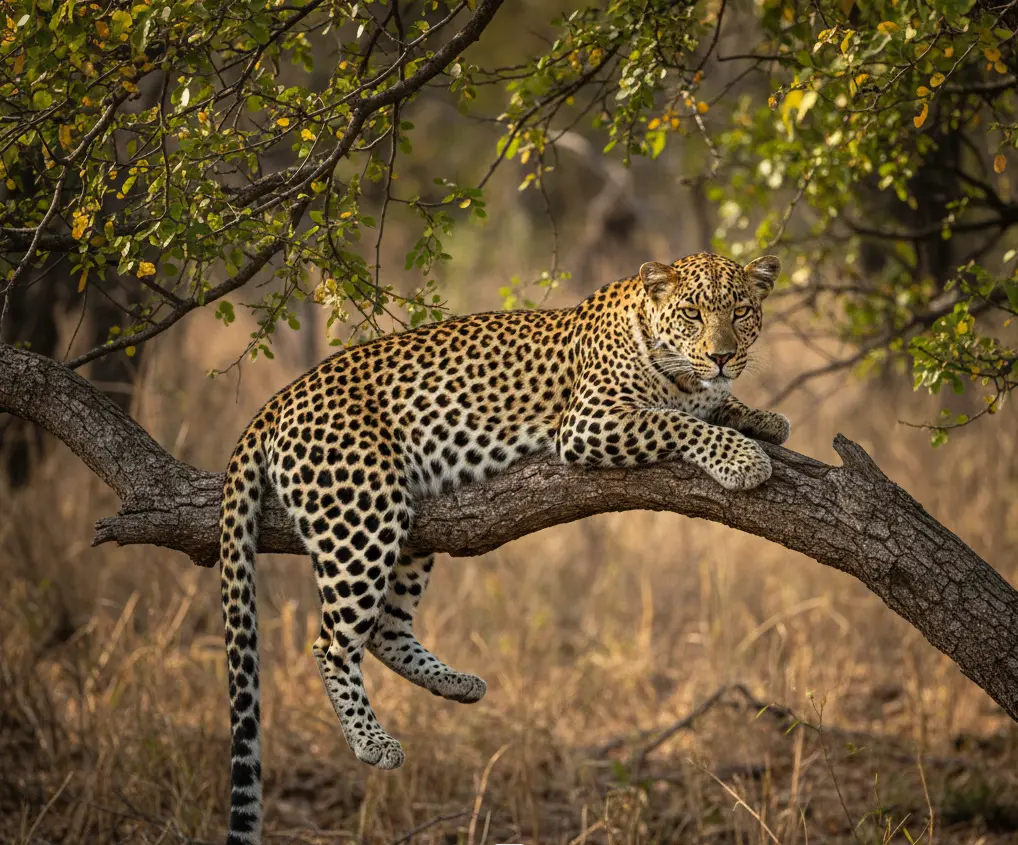
The 2026 water level rise has actually improved leopard tracking in certain sectors, as the floodwaters have pushed prey like baboons and impalas into narrower corridors along the eastern ridges. This concentration of wildlife makes the Lion Hill circuit a high-stakes drive for any photographer. If you are struggling to spot them, check our insider’s guide to Lake Nakuru wildlife to learn the specific “Leopard Loops” that local operators favor during the cooler morning hours.
🛡️ OPERATOR INSIGHT
Don’t just look for the cat; look for the “alarm calls” of the park’s baboons and vervet monkeys near the Lion Hill lodges. If you hear a sudden, frantic barking coming from the trees, stop your engine immediately and wait—there is a high probability a leopard is moving through the undergrowth nearby.
Because leopards are master’s of stealth, the park’s strict opening hours mean you have a narrow window to catch them before they retreat into the deep shade for the day. In 2026, KWS has increased the fine for staying in the park past 6:30 PM to KSh 5,000 per person, so ensure you start your “cat loop” early enough to exit safely. Sticking to the higher altitude tracks not only keeps your tires dry but also keeps you in the prime territory for these spotted ghosts.
Now that we’ve checked the cliffs for predators, it’s time to head to the southern mudflats to see the massive herds that dominate the open plains…
7. Observe the Massive Buffalo Herds at Nderit
The Nderit area in the southern sector has become the primary stage for observing the park’s massive Cape Buffalo herds. As the northern floodplains have shrunk, these formidable grazers have congregated on the expansive, nutrient-rich southern mudflats, creating one of the most raw wildlife spectacles in the Rift Valley. Watching a herd of over 500 buffaloes move across the marshy landscape is a powerful experience and easily one of the most underrated things to do in Lake Nakuru National Park in 2026.
The Nderit plains offer a unique backdrop for photography, where the dark, mud-caked hides of the buffalo contrast against the tall green grasses. While they may look sedentary, these are among Africa’s most dangerous animals, and their presence in such high densities attracts the park’s top predators. If you are staying nearby, see our complete guide for safari travelers on Lake Nakuru lodges to find accommodations that offer views of these southern grazing routes from your balcony.
💡 Pro-Tip
The buffaloes at Nderit are notoriously territorial, especially the “old dagga boys” (lone bulls) that linger near the thickets. In 2026, KWS has reminded visitors that the 25-meter vehicle approach rule is strictly enforced; getting too close for a “selfie” isn’t just dangerous—it can lead to a heavy fine or a charged radiator if the bull decides to defend its patch.
For the best experience, visit this sector during the mid-morning when the herds move toward the water to drink and wallow. The sight of hundreds of buffaloes wading through the shallows, surrounded by egrets and plovers, is a scene straight out of a classic safari documentary. Because this area is prone to sudden soft spots due to the high water table, ensure your vehicle is in 4WD before leaving the main gravel track—see our 2026 Lake Nakuru self-drive guide for the “sink-hole” map of the Nderit marshes.
Now that we’ve witnessed the power of the southern herds, let’s head to the northern shores to find the park’s most elegant water-loving antelope…
8. Spot the Waterbuck and Impala along the Hippo Point Loop
Navigating the Hippo Point Loop is one of the most scenic things to do in Lake Nakuru National Park in 2026, offering a front-row seat to the park’s thriving antelope populations. The Defassa waterbuck, easily identified by its shaggy coat and lack of the white “toilet seat” ring found on common waterbucks, loves the marshy edges of this circuit. Because these animals are water-dependent, they have flourished despite the lake’s expansion, often seen grazing knee-deep in the flooded grasslands alongside massive rafts of hippos.
This loop also serves as a primary corridor for impalas, which utilize the edge between the hippo point loop and the acacia forest for protection against predators. While many travelers overlook these common species, the sheer density here in 2026 provides fantastic opportunities for high-speed action photography as bachelor herds spar in the clearings. If you are planning a multi-day trip, see our 3-day Masai Mara safari guide to compare how the antelope behavior in Nakuru differs from the open savannahs of the Mara.
The visibility along this circuit is generally excellent, but the increasing water level has made the tracks narrower than in previous years. In 2026, KWS rangers have become particularly strict about “shoulder parking”—blocking the track to watch wildlife—which can result in a verbal warning or a fine if you impede the flow of safari vehicles. Keep your movement steady and always leave room for the park’s rescue tractors to pass, especially during the rainy season.
With the water-loving antelopes behind us, it’s time to explore the park’s cultural and historical side at a site that predates the safari era…
9. Visit the Hyrax Hill Prehistoric Site
For a change of pace from wildlife tracking, visiting the Hyrax Hill Prehistoric Site is one of the most culturally enriching things to do in Lake Nakuru National Park in 2026. Located just outside the park’s northern perimeter, this Neolithic site features a small museum and excavated settlements that date back over 3,000 years. It provides a fascinating look into the lives of the early pastoralists of the Rift Valley, making it a perfect educational bonus for families or history buffs.
While the park itself focuses on conservation, Hyrax Hill anchors the region’s human history, offering panoramic views of the Nakuru town skyline and the lake from its rocky summit. Exploring the ancient stone-walled enclosures and burial pits adds a layer of depth to your safari that most generic guides completely overlook. If you are coordinating a larger itinerary across Kenya, see our 3-day Amboseli safari guide to see how different regional histories compare to the Nakuru basin.
💡 Pro-Tip
The site is technically just outside the park fence near the Nairobi-Nakuru highway, meaning you don’t need to pay park entry fees specifically to visit the museum. However, if you are planning to re-enter the park afterward, ensure your eCitizen park permit hasn’t expired, as a “Single Entry” ticket will not allow you back in once you exit the gate to visit the hill.
In 2026, the National Museums of Kenya have upgraded the hiking trails leading to the peak of the hill, making it a safe and accessible walk for most fitness levels. The site is famous for its namesake hyraxes—small, guinea-pig-like mammals that are actually the closest living relatives to elephants. It’s an irony not lost on visitors that these tiny creatures dominate the prehistoric site while their giant cousins are absent from the neighboring park.
Now that we’ve stepped back in time at Hyrax Hill, let’s look at how to maximize your time on the water before the sun sets…
10. Birding in the “Dead Forest” (Hippo Point)
Exploring the eerie beauty of the “Dead Forest” near Hippo Point is one of the most visually arresting things to do in Lake Nakuru National Park in 2026. This area is characterized by thousands of white, submerged trees that were drowned during the lake’s massive expansion, creating a skeletal landscape that is a paradise for photographers. These stark branches now serve as the primary perches for African Fish Eagle sightings, where the majestic raptors sit motionless, scanning the water for tilapia.
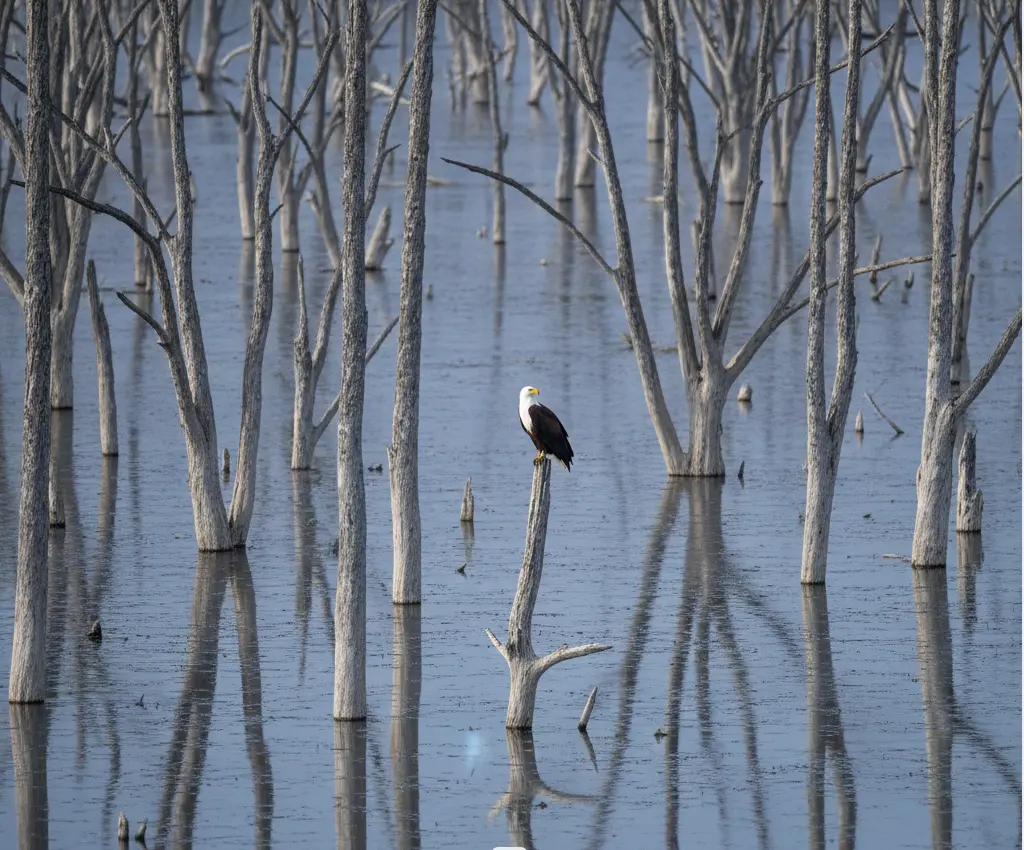
The transition from a dry acacia forest to a water-logged “hippo pool” has completely redefined the local ecosystem. While the trees are technically dead, they are teeming with life, providing nesting sites for cormorants, darters, and kingfishers. If you are a serious enthusiast, see our comprehensive bird watching map for 2026 to identify the specific perches where rare Goliath Herons are known to hunt among the rot.
💡 Pro-Tip
The “Dead Forest” is one of the best hippo pool locations in the park, but the rising water has made the hippos more defensive of the new shoreline tracks. In 2026, avoid stopping your vehicle for long periods in shaded areas near the water; hippos often use these “submerged avenues” to travel between the lake and grazing grounds, and they do not appreciate being blocked.
Because the terrain here is a mix of volcanic silt and deep water, the shoreline is constantly shifting. In 2026, KWS has placed yellow markers to indicate the maximum safe approach distance—ignoring these can lead to a stuck vehicle and a KSh 15,000 “reckless driving” fine if a recovery tractor is required. To avoid these logistical headaches, check our Lake Nakuru self-drive survival guide for the latest “safe-track” coordinates around the Hippo Point loop.
With the haunting beauty of the Dead Forest in our rearview mirror, let’s move toward a more vibrant and lively sector of the park…
11. Search for Tree-Climbing Lions near Lion Hill
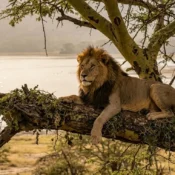
While Lake Manyara in Tanzania is famous for this phenomenon, searching for tree-climbing lions is one of the most thrilling things to do in Lake Nakuru National Park in 2026. The lions here have adapted to the rising water levels by frequently taking to the branches of the yellow-fever acacia trees. This behavior isn’t just for a better view; it is a tactical “Wet-Paw” response to the 2026 habitat squeeze, a phenomenon we’ve detailed in our operator’s guide to the tree climbing lions of Lake Nakuru.
Finding these nocturnal predators in Kenya during the daylight hours requires a keen eye for “unnatural” shapes in the canopy. Unlike leopards, which drape themselves elegantly, a lion in a tree looks bulky and somewhat out of place, making it a spectacular sight against the Rift Valley escarpment.
🛡️ OPERATOR INSIGHT
The best time to spot them “aloft” is during the late morning, around 10:00 AM, as the ground begins to heat up. However, don’t ignore the rocky outcroppings near the Baboon Cliff area—lions in 2026 are increasingly using the high ridges as vantage points to track the massive buffalo herds moving through the Nderit plains below.
In 2026, KWS has reminded all visitors that even if a lion is 20 feet up in a tree, the “stay in your vehicle” rule is absolute. Approaching too closely or exiting your car to get an upward-angle shot is a serious safety violation that can lead to immediate expulsion from the park. For those self-driving, ensure you have the right gear to capture these distant heights; see our logistical guide for safari packing to ensure you have the stabilization equipment needed for clear, long-distance predator shots.
Now that we’ve checked the treetops for the kings of the park, let’s look at the ultimate way to wrap up your day as the sun dips below the escarpment…
12. Guided Nature Walks and Bush Dining
Engaging in a guided nature walk is one of the few ways to experience the park on foot, making it a standout choice for things to do in Lake Nakuru National Park in 2026. While most of the park is restricted to vehicle-only viewing, you can arrange for a KWS ranger hire to lead you on specialized Enasoit Hill hikes. This elevated terrain remains untouched by the 82km² lake expansion, offering a safe, dry environment to track smaller wildlife and learn about the medicinal uses of the local flora.
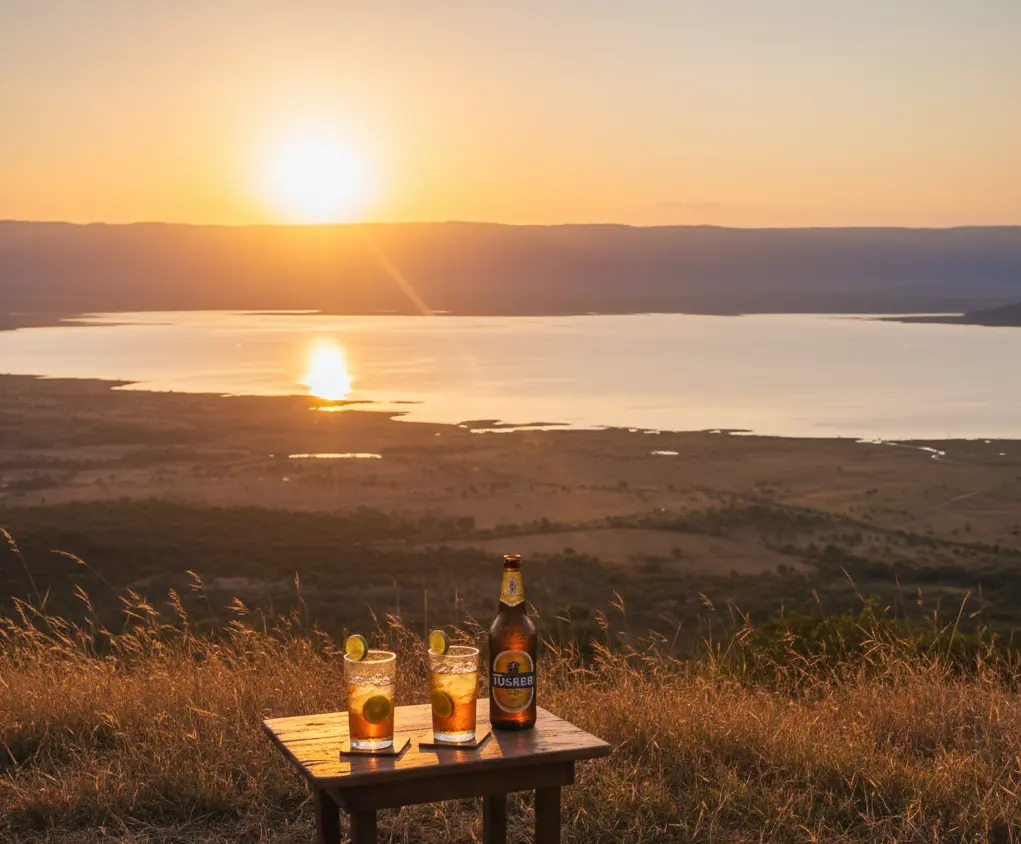
For those looking for a “Final Farewell” to the park, the Out of Africa lookout serves as the ultimate backdrop for bush dining and sundowners. Located on the western escarpment, this site offers the most famous panoramic view in the region, where the sun sets directly behind the hills, turning the lake into a sheet of liquid gold. It is a premier choice among safe picnic areas, as the high elevation provides a natural defensive barrier against the larger predators roaming the plains below.
🛡️ OPERATOR INSIGHT
Many travelers think they can just walk at any picnic site, but in 2026, KWS has tightened enforcement: walking more than 50 meters from your vehicle at any site other than Baboon Cliff or Makalia Falls without a ranger can result in an immediate KSh 5,000 fine. To avoid this, see our 2026 guide on Lake Nakuru safety to learn the safety map of Lake Nakuru National park.
If you are planning a luxury finish to your safari, some of the park’s top-tier lodges can arrange private bush breakfasts or sundowner setups at these viewpoints. These experiences are highly regulated in 2026 to ensure no litter or food waste is left behind, as the park’s baboons have become increasingly bold. Ending your day here, with a cold drink in hand and the entire Rift Valley at your feet, is the definitive way to conclude your Nakuru adventure.
Conclusion: Making the Most of Lake Nakuru in 2026
Navigating the top things to do in Lake Nakuru National Park in 2026 requires more than just a checklist; it requires a strategy that respects the lake’s changing water levels. From the prehistoric echoes at Hyrax Hill to the mud-caked buffalo herds of Nderit, the park remains one of the most diverse conservation areas in the Rift Valley. By prioritizing the southern sectors and mastering the eCitizen entry hacks, you can bypass the crowds and find the raw, untamed beauty that generic tours often miss.
Success on the ground comes down to timing and the right vehicle—don’t let the “city park” reputation fool you into underestimating the rugged southern trails. Whether you are hunting for the perfect flamingo reflection or tracking the elusive tree-climbing lions of Lion Hill, this park offers a unique safari rhythm that rewards the patient and the prepared. If you are ready to book your permits, ensure you have reviewed the updated KWS entry fees to avoid any last-minute surprises at the gate.
The “pink lake” may have changed its shade over the years, but its status as a premier wildlife sanctuary is undisputed. We’ve seen it all—from the rise of the rhinos to the drowning of the acacia forests—and Nakuru continues to surprise even the most seasoned operators. Pack your telephoto lens, prep your 4WD, and head out to explore a park that is currently experiencing one of its most fascinating ecological chapters yet.