Email:
 Phone:
 WhatsApp:

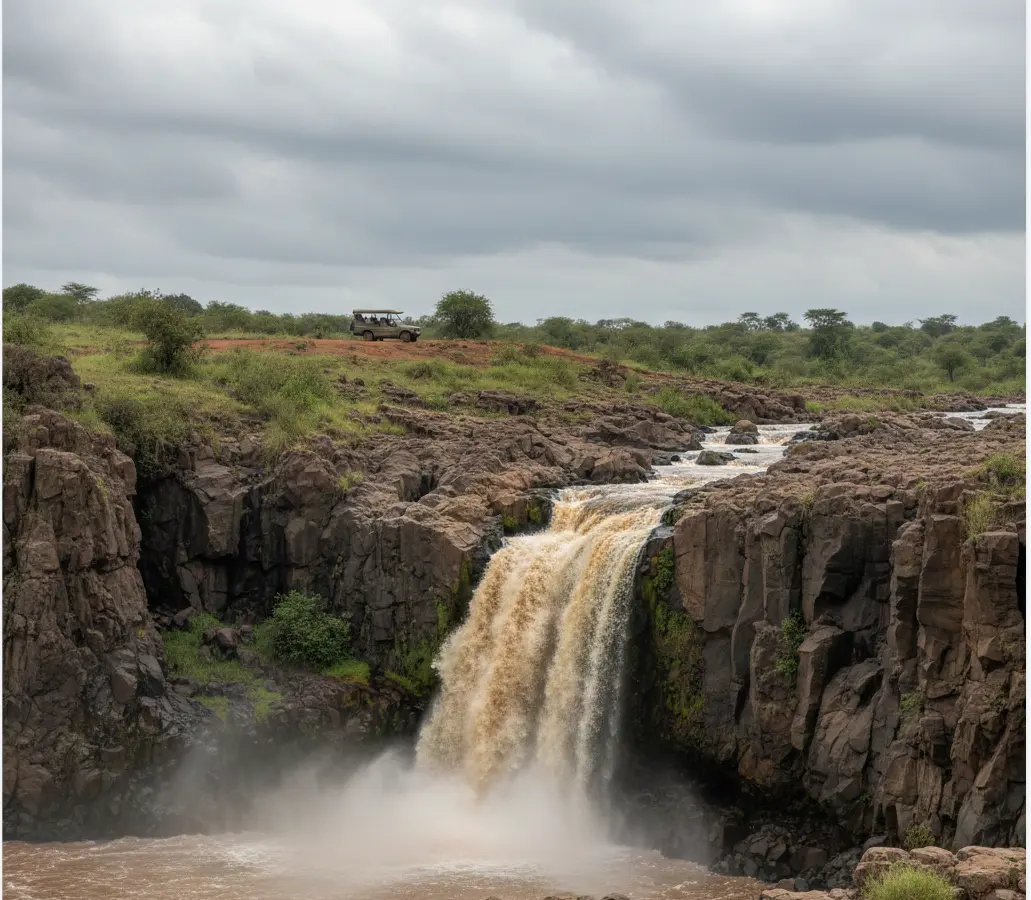
Makalia Falls Lake Nakuru is a stunning seasonal waterfall tucked away in the park’s southern pan. In 2026, it serves as a serene escape for travelers looking to leave the crowds behind and witness one of the most untouched, picturesque corners of the Great Rift Valley.
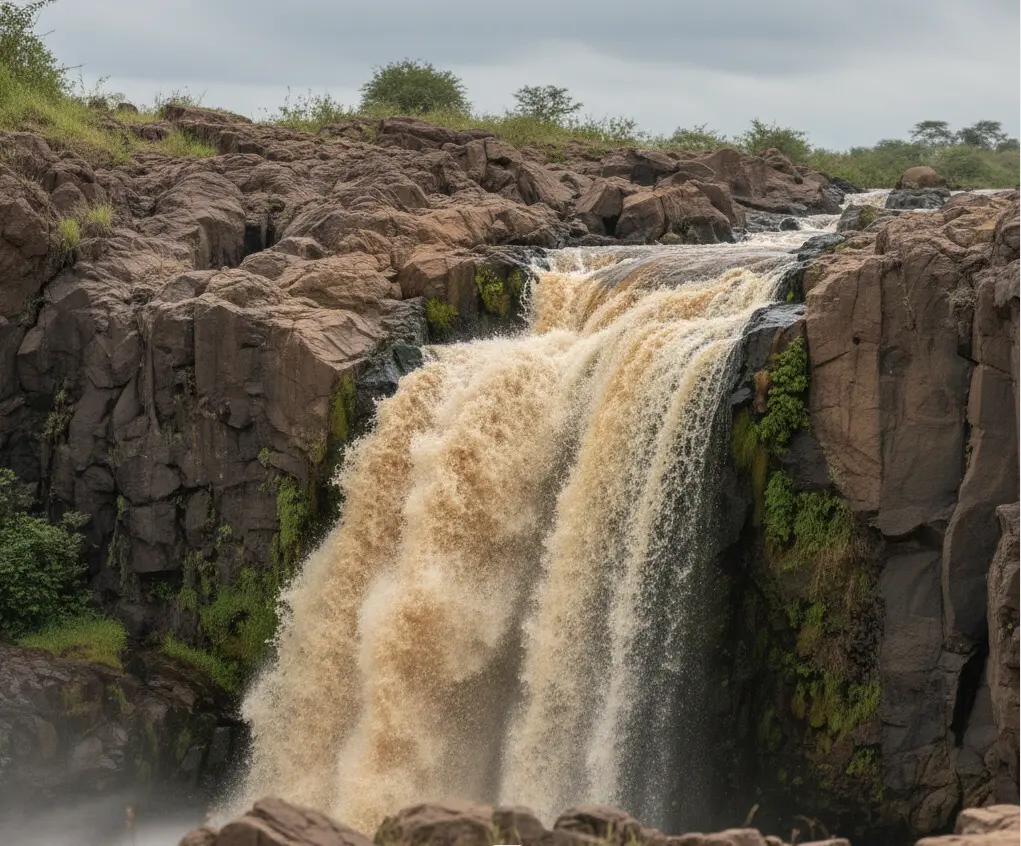
While the northern side of the park is famous for its iconic rhinos and seasonal flamingos, the journey to Makalia Falls offers a different kind of magic. It is the only place in the park where you can enjoy a quiet picnic against the backdrop of falling water and the lush “Dead Forest” ecosystem.
However, because this is a truly “off-the-beaten-path” destination, the ground reality has changed in 2026. With the lake’s water levels remaining high, reaching the falls is now a rewarding mini-expedition that requires a bit more preparation than a standard game drive.
To ensure your trip is all about the views and not the logistics, you’ll need to stay updated on the 2026 Lake Nakuru entry fees and ensure your car hire is safari-ready. From the best picnic spots to the exact route through the southern gate, this operator’s report gives you the “Information Gain” that generic travel sites often overlook.
But that is not all… while the falls are beautiful, the secret to a perfect visit lies in knowing exactly which months the water flows and which vehicle gives you the best vantage point.
Quick Navigation: Jump to your Section
The 2026 Road Reality: Why “Standard” 2WD Guides are Wrong
The most dangerous advice you can follow in 2026 is that Makalia Falls Lake Nakuru is accessible in a small sedan or a 2WD crossover. While older guidebooks and legacy websites still describe the southern sector as a “flat dirt track,” the reality on the ground has shifted significantly.
The expansion of the lake to nearly 82km² has saturated the water table in the southern plains, turning once-solid paths into deceptive patches of alkaline mud. Even during the dry season, the “crust” on these tracks can collapse under the weight of a vehicle, leading to expensive and time-consuming recovery situations.
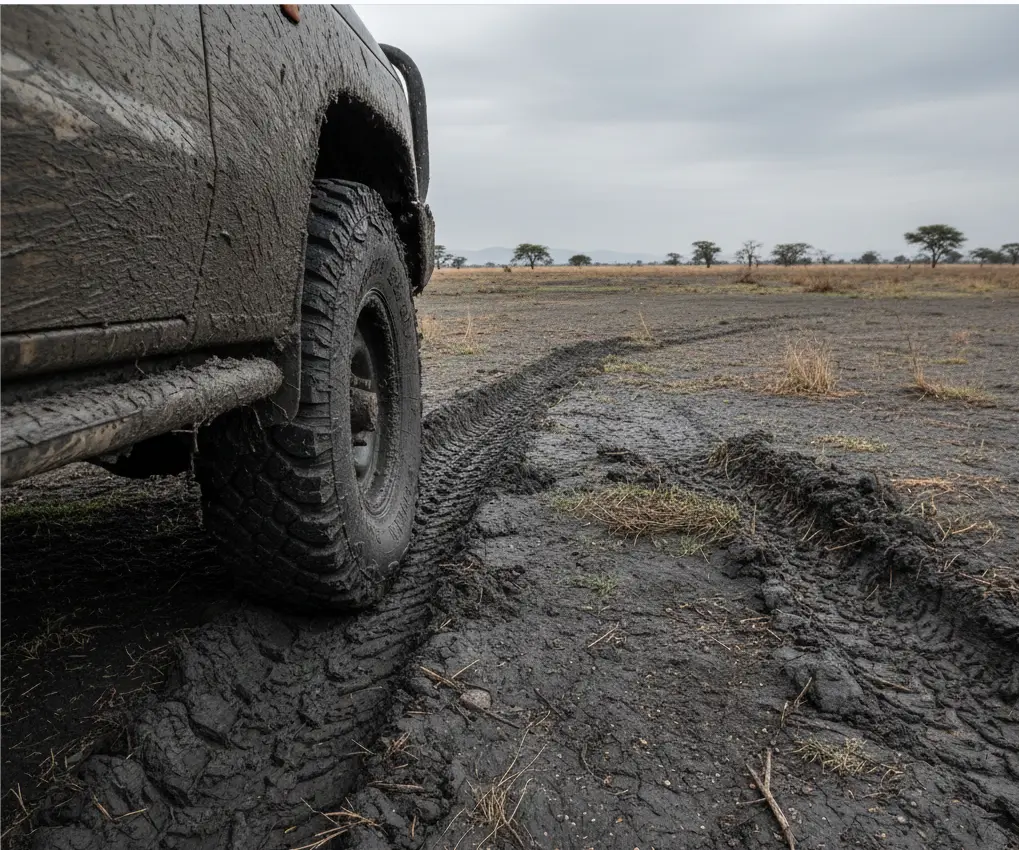
🛡️ OPERATOR INSIGHT: KWS rangers have become much stricter about off-roading and stuck vehicles in the southern sector. If you ignore the 4×4 required warnings and get stuck, you are liable for a KWS recovery fee of approximately KES 10,000 (~$75), assuming a tractor is even available. Beyond the fine, you risk damaging your radiator with the corrosive alkaline silt that characterizes off-roading Kenya in this specific zone.
The Southern Sector road conditions are currently best described as “unpredictable.” To ensure you don’t spend your afternoon waiting for a tow, see our Lake Nakuru National Park Self Drive: 2026 Rules & Route Hacks for the specific route hacks that avoid the deepest marshlands.
Now that we’ve navigated the mud and secured your transport, let’s look at the financial side of the journey, including the park entry fees and the 2026 payment protocols.
Updated 2026 Fees & eCitizen Payment for Makalia Falls
Planning a trip to Makalia Falls Lake Nakuru requires more than just a 4×4; you need to have your financial logistics cleared before you hit the southern park limits where mobile signal is non-existent. Since the 2026 KWS fee restructuring, entry costs have changed significantly for all visitor categories. You cannot pay in cash at the gate, so your eCitizen account must be funded and ready to go before you leave Nakuru town.
🛡️ OPERATOR INSIGHT: Many travelers make the mistake of trying to pay at the Lanet or Nderit gates, only to find the network too weak to process the transaction. To avoid the frustration of being turned away at the entrance, see our guide on How to Pay Lake Nakuru Park Fees on eCitizen to ensure your validation code is generated while you still have high-speed internet.
The current 2026 daily rates for Lake Nakuru (Premium Parks) are:
- Non-Residents: $90 per adult.
- Kenya Residents: KES 2,025 per adult.
- East African Citizens: KES 1,500 per adult.
- Vehicle Fees (under 6 seats): KES 600
For a full breakdown of the park fees, check our guide on Lake Nakuru National Park Entry Fees. Remember that these fees are valid for 24 hours only; if you are camping at the falls, you must ensure your permit covers the duration of your stay.
To learn more on how to time your visit to get the most value for your money, read our Best Time to Visit Lake Nakuru National Park article. This will help you decide if the water volume at the falls justifies the current entry price during your travel window.
Now that the paperwork is handled, let’s dive into the scenery you’ll encounter on the way, starting with the haunting beauty of the “Dead Forest” corridor…
The “Dead Forest” Drive: Navigating to the Falls
To reach Makalia Falls Lake Nakuru, you must pass through the hauntingly beautiful “Dead Forest,” a stark reminder of the Great Rift Valley ecological shift. Thousands of skeletal, submerged acacia trees stand in the rising alkaline waters, creating an otherworldly landscape that feels like a forgotten film set.
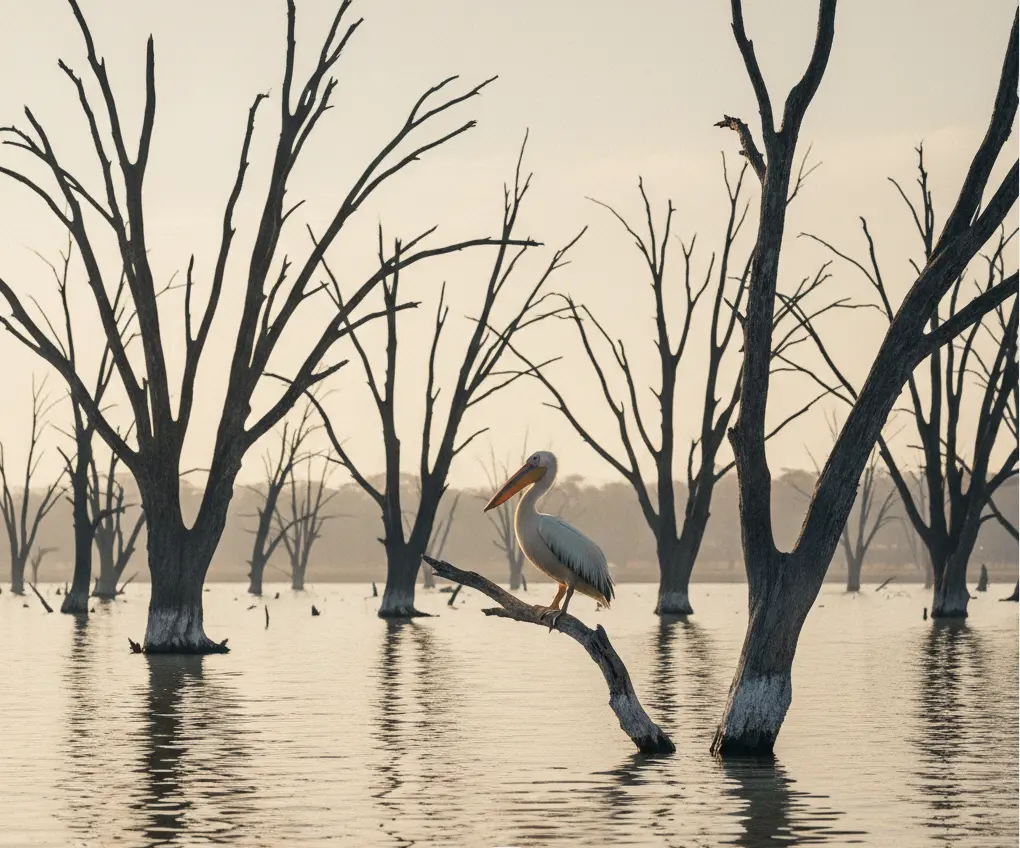
This southern corridor offers some of the most dramatic photography spots Nakuru has to offer, especially during the golden hour when the sun reflects off the still, high-rising water. While the scenery is breathtaking, the terrain is tricky; you are driving through an environment that is literally reclaiming the road.
🛡️ OPERATOR INSIGHT: Do not let the “Dead Forest” name fool you into thinking the area is barren. This is currently the premier zone for bird watching in Lake Nakuru, where you will witness massive Pelican sightings and cormorants nesting high in the dead branches.
Bird watching South Nakuru has become superior to the northern shores because the freshwater inflow near the falls attracts species that the soda-heavy north does not. You will notice a distinct change in the air and the density of the canopy as you move away from the main lake and toward the riverine vegetation.
⚠️ 2026 ROAD ALERT: The “Yellow Fever” acacia belt is beautiful, but the ground beneath it is often saturated. Stick strictly to the marked tracks because the rising water table has created “sinkholes” of soft mud that can swallow a tire in seconds.
Now that we’ve navigated the spectral beauty of the submerged forest, let’s look at the best spots for a quiet picnic and what to expect when you finally arrive at the campsite…
Camping & Picnics at Makalia: What to Pack and Expect
Arriving at Makalia Falls Lake Nakuru feels like finding a private sanctuary in a park that is often bustling with tour vans. The Makalia Public Campsite is located just a short walk from the drop-off point, offering a rugged, “back-to-basics” experience that defines wild camping Kenya. However, do not expect luxury; the facilities are minimal, consisting of basic pit latrines and a small kitchen shelter that has seen better days.
For those just visiting for the day, the area around the falls is one of the premier picnic spots Lake Nakuru provides for those who value total silence. Because most travelers stay in the northern sector near the Lake Nakuru lodges, you will likely have the entire gorge to yourself.
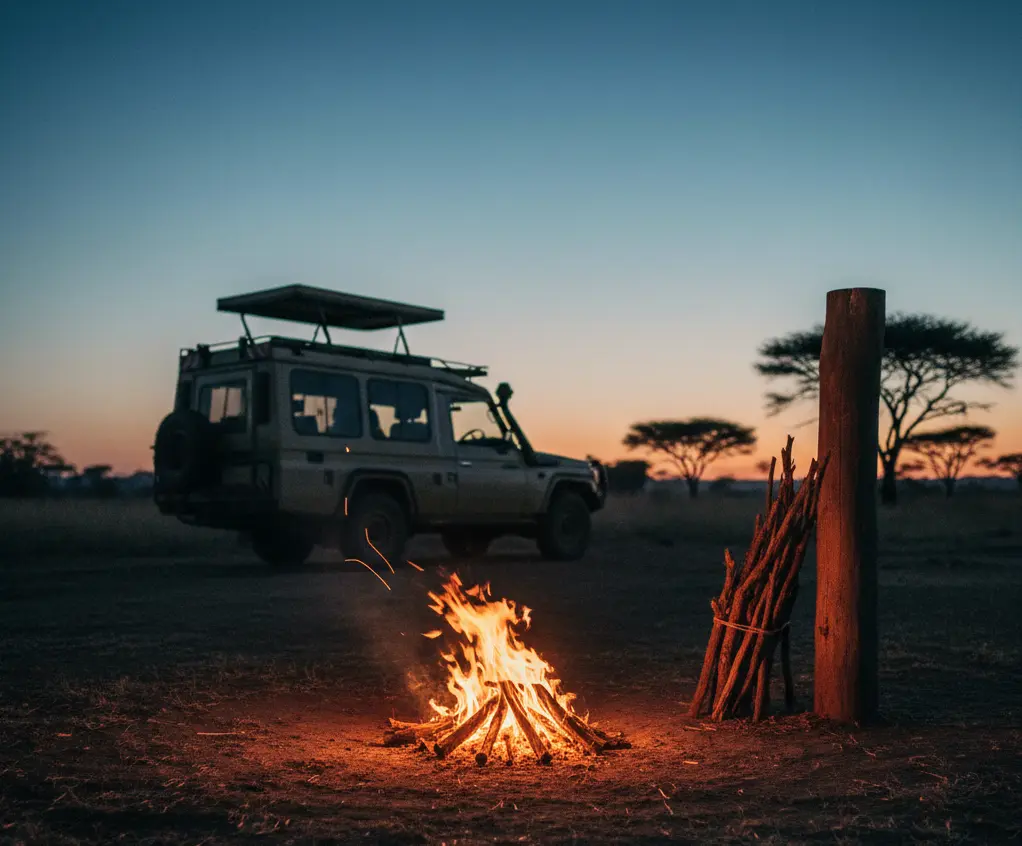
🛡️ OPERATOR INSIGHT: The biggest mistake campers make here is assuming firewood availability is guaranteed. While there is plenty of fallen timber, the high humidity near the falls means it is often too damp to light. My secret hack? Pick up a bundle of dry wood from the charcoal sellers just outside the Lanet Gate before you enter, or better yet, request ranger assistance at the gate. If you tip a ranger ($10), they can often arrange for a dry bundle to be dropped at the site by a KWS patrol vehicle, saving you a cold night.
If you are planning an overnight stay, your self-drive safari tips checklist must include high-quality lighting and a reliable way to secure your food. The proximity to the riverine forest means baboons and hyenas are frequent nocturnal visitors.
💡 PRO TIP: Before you unpack, check our Ultimate Lake Nakuru Safari Packing List to ensure you haven’t forgotten essential items like heavy-duty insect repellent and a power bank. Since the falls area is a “dead zone” for cellular signals, having a physical map or an offline GPS is non-negotiable for safety.
Now that your base camp is set and the fire is crackling, let’s talk about timing—because the difference between a roaring waterfall and a dry rock face depends entirely on the 2026 seasonal cycle…
Best Time to Visit Makalia Falls: The Seasonal Truth
Unlike the permanent features of the park, Makalia Falls Lake Nakuru is entirely dependent on the hydration of the Mau Escarpment. It is a seasonal waterfall, meaning the spectacle you see in a brochure might be a dry cliff face if you arrive at the wrong time of year. Understanding the River Makalia flow is the difference between a breathtaking photography session and a dusty hike.
The best month for Lake Nakuru safari enthusiasts who want to see the falls at peak volume is typically between April and June, or during the short rains in November and December. During the Kenya rainy season 2026, the river transforms from a trickle into a powerful brown torrent that thunders into the rocky gorge below.
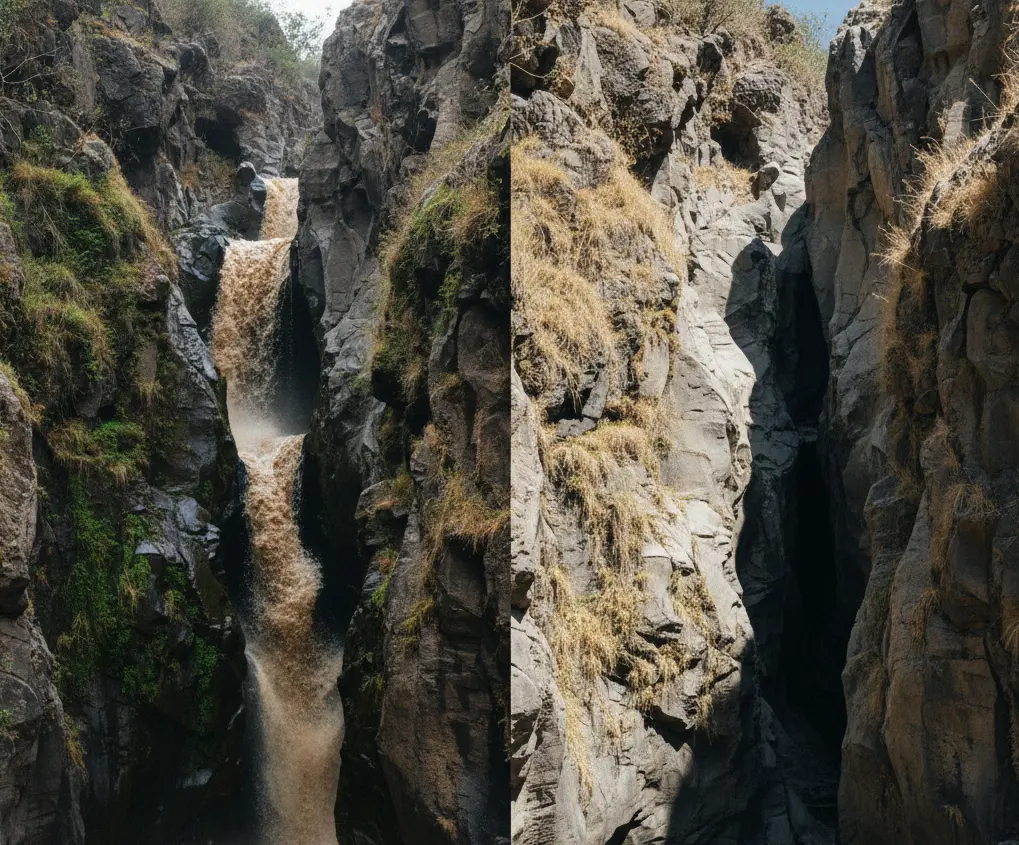
🛡️ OPERATOR INSIGHT: Do not be fooled by heavy rains in Nakuru town; the falls only “roar” when it rains heavily in the Mau Forest, which is the primary catchment area. If you visit during the peak dry months of January or February, the falls often disappear completely. To avoid disappointment, check our Best Time to Visit Lake Nakuru National Park article for a month-by-month breakdown of weather patterns and wildlife movements.
We are also seeing a significant climate change impact Kenya has had on the park’s hydrology. While the waterfall itself is seasonal, the high lake levels in 2026 mean that even during “dry” months, the surrounding area remains lush and green, offering a cooler microclimate than the sun-baked northern plains.
💡 PRO TIP: If you are visiting specifically for photography, the “sweet spot” is the first two weeks after the long rains stop. You get the maximum seasonal waterfalls Rift Valley volume without the cloud cover, giving you that perfect sunlight hitting the spray. To ensure you have the right gear to protect your camera from the mist and dust, see The Ultimate Lake Nakuru Safari Packing List for our operator-approved kit.
Now that we’ve mastered the timing of the falls, let’s wrap up with the final verdict on whether this southern detour is worth the extra fuel and effort for your 2026 itinerary…
Conclusion: Is Makalia Falls Worth the Extra 4×4 Fuel?
When you look at Makalia Falls Lake Nakuru on a map, it seems like a long, fuel-consuming detour from the main rhino circuits. In 2026, my “Spiky Opinion” is simple: if you are in a standard tour van or a 2WD vehicle, do not attempt it. The risk of getting stuck and paying KWS recovery fees far outweighs the view.
However, for the independent traveler or those on a private 4×4 safari, the answer is a resounding Yes. Most visitors ask, “Is Lake Nakuru worth it 2026?” and the answer depends on whether you see only the crowded north or explore these hidden waterfalls Kenya has tucked away. Makalia offers the one thing the rest of the park lacks: total, unscripted silence.
🛡️ OPERATOR INSIGHT: If you are tight on time and only have a half-day, skip the falls and stick to the rhino sightings in the north. But, if your safari itinerary planning includes a full day or an overnight stay, Makalia Falls is your reward for venturing where the mass-market tours won’t go. It’s the difference between a “check-box” safari and a genuine adventure.
For those ready to commit to the southern sector, the journey through the Dead Forest is as much a part of the experience as the falls themselves. Based on my operator recommendations, this is the best spot in the park to decompress, away from the radio chatter of safari drivers.
🔴 IMPORTANT: Before you head out, ensure your safety by checking our Is Lake Nakuru National Park Safe? 2026 Solo & Family Travel Guide. It covers the essential security ground rules for exploring the more remote southern corners of the park.
FAQs on Makalia Falls Lake Nakuru
Can I reach Makalia Falls with a standard 2WD taxi from Nakuru town?
Absolutely not in 2026. While the northern circuit is paved, the southern tracks are currently prone to “Alkaline Sinks.” Attempting this in a 2WD will likely result in a $78 recovery fee and overall delays.
Is there a specific gate I should use to reach the falls faster?
If you are coming from Nairobi, use the Nderit Gate. It places you directly in the southern sector, saving you roughly 40 minutes of driving compared to the Main Gate. To learn more on how to beat the city traffic and choose the right entry point, see our Lake Nakuru National Park Gates: Which Entrance Should You Use? (2026 Guide).
Is it safe to camp at Makalia with lions and leopards nearby?
It is an authentic wild experience, provided you follow operator protocols. While the southern forest is a known leopard “hotzone” and lions occasionally patrol the riverine belt, they are naturally shy of campfires. In 2026, the “golden rule” is to remain within the campsite perimeter after dark and keep a steady fire going; for total peace of mind, you can hire a KWS ranger at the gate for a small fee to stay at the site with you.
Can I swim in the pool at the bottom of Makalia Falls?
While tempting, swimming is not recommended due to the high alkaline content and the unpredictable current of the River Makalia during the 2026 rainy season. Furthermore, the thick riverine vegetation is a preferred habitat for buffaloes who come to drink; keeping a safe distance is the best “pro-tip” for avoiding a dangerous encounter.
Does eCitizen network work at the falls if I need to pay for an extra night?
No. The Makalia gorge is a complete cellular “dead zone.” You must validate your payment and generate your QR code at the main gate or in Nakuru town before heading south. Check our guide on How to Pay Lake Nakuru Park Fees on eCitizen: 2026 KWSPay Step-by-Step Guide to ensure you don’t get stuck with a lapsed permit in the wild.