Email:
 Phone:
 WhatsApp:

Quick Answer: What to Pack for Lake Nakuru (2026)
A Lake Nakuru Safari Packing List in 2026 must prioritize digital readiness, alkaline-dust protection, and high-altitude layering. Essential items include your KWSPay eCitizen QR code (saved offline), polarized sunglasses to combat lake-glare, a 20,000mAh power bank, and neutral-colored layers for the Rift Valley’s 1,750m elevation. Avoid blue or black clothing to deter tsetse flies in the southern acacia forests.
Why This Guide is Different: The 2026 “Logic-Led” Edge
Most generic packing lists on the internet are recycled from 2018. If you follow them for a 2026 visit to Lake Nakuru, you will likely face two major frustrations: cashless gate delays and equipment damage from the lake’s unique chemistry.
Lake Nakuru isn’t the Masai Mara. It sits at a higher altitude, features a highly reflective soda-lake surface, and is now governed by the strictly digital eCitizen entry protocol. This guide is built by the Hilmuks team—on-the-ground operators who navigate these gates daily—to ensure you have the “Information Gain” that big travel sites miss.
Quick Navigation: Jump to your Section
The 2026 “Digital Checklist”: Your Most Important Gear
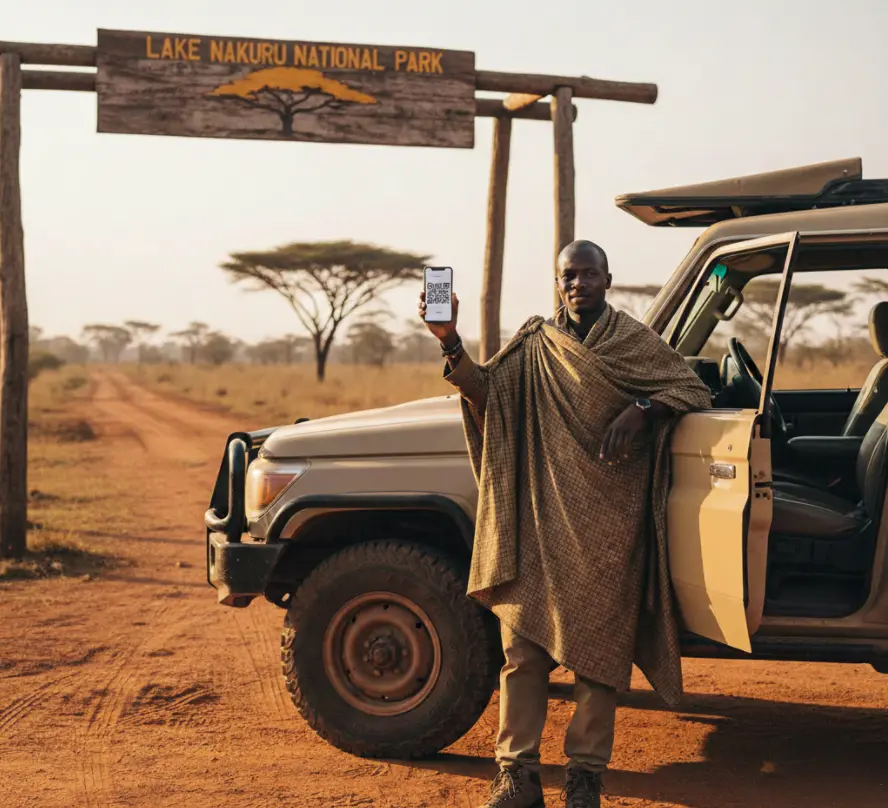
In 2026, the most critical item on your Lake Nakuru Safari Packing List isn’t physical—it is digital. Since the Kenya Wildlife Service (KWS) moved to a 100% cashless system, your smartphone has become the literal “gatekeeper” to the park. Showing up at the Main Gate or Lanet Gate with cash or without pre-authorization will result in being turned away, as there are no manual payment points available.
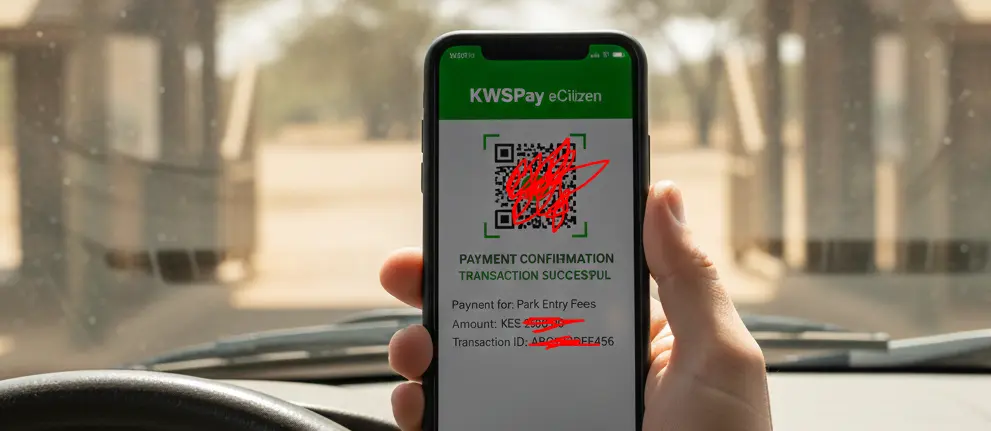
- KWSPay eCitizen QR Code (Offline PDF): Do not rely on a “live” login at the park gates. Mobile data signals at the Lake Nakuru entry points can be notoriously unstable. Rangers are now trained to scan offline digital receipts. Once you settle your fees via the official KWSPay portal, immediately screenshot the QR code and save it to a “Safari” folder in your photo gallery.
- 20,000mAh Power Bank: High-altitude temperatures (1,750m) and constant photo-taking drain phone batteries 30% faster than at sea level. Ensure your Lake Nakuru Safari Packing List includes a high-capacity power bank to keep your digital tickets accessible for the mandatory exit scan.
- Kenya ETA 2026 (Digital Copy): For international travelers, your Kenya ETA 2026 approval must be linked to your passport. While the system is integrated, carrying a digital PDF copy on your device is a 2026 requirement to resolve any “System Offline” discrepancies at the gate.
- The “Exit-Ticket” Awareness: In 2026, KWS strictly enforces the 24-hour rule. Your digital ticket is scanned both at entry and exit. If your phone dies and you cannot produce the QR code at the exit gate, you may be held for “Manual Verification,” which can take up to 2 hours and delay your transit to Nairobi or the Masai Mara.
Insider Hack: If your device fails, KWS gates at Nakuru now have a “Guest Terminal” for emergency eCitizen logins, but these are often congested. Pack a single physical printout of your e-ticket as a “Fail-Safe.” This is the only physical document that can bypass a dead battery or a broken screen in the middle of the bush. 📄
Dressing for the “Nakuru Micro-Climate”
Lake Nakuru National Park sits at an elevation of 1,754m (5,755ft), creating a unique micro-climate that catches many travelers off guard. Unlike the lower-altitude plains of the Tsavo, Nakuru temperatures swing drastically from a brisk 12°C (54°F) at sunrise to a scorching 28°C (82°F) by midday.
To maximize comfort, your Lake Nakuru safari packing list must be built around a safari layering system. This allows you to peel off outer shells as the sun hits the lake’s reflective surface without needing a full wardrobe change.
The Safari Layering System
- Base Layer: Lightweight, moisture-wicking t-shirts or long-sleeved linen shirts. Long sleeves provide essential protection against the high-altitude UV rays and evening mosquitoes.
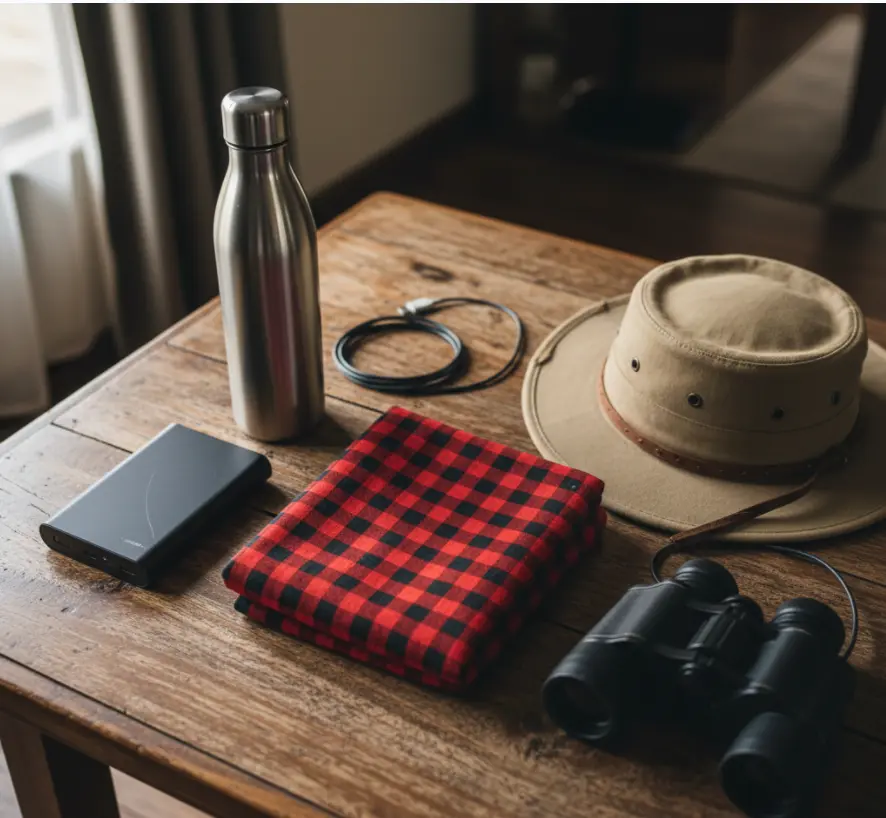
- Mid-Layer: A fleece or a light down gilet. In 2026, many travelers prefer a Maasai Shuka—it is culturally respectful, provides surprising warmth, and can be easily stowed in a daypack.
- Outer Layer: A packable windbreaker or a light rain shell. If you are using the Lanet Gate shortcut from Nairobi, you’ll likely arrive during the morning chill, making this layer essential.
Neutral Colors: Why It Matters in 2026
Stick to neutral colors for Kenya (khaki, olive, tan, and stone).
- Key Info: While most guides tell you to avoid blue and black because of tsetse flies, few mention that in Lake Nakuru’s southern acacia forests (near Makalia Falls), the tsetse fly population has remained active in 2026. Avoid dark blue leggings or black jackets to prevent painful bites that can itch for days.
- Dust Camouflage: The alkaline dust of Nakuru is white/grey. White clothing will look filthy within an hour, while khaki hides the “safari glitter” (dust) perfectly.
The Leggings vs. Trainers Debate
We frequently see two “People Also Ask” questions: “Are leggings okay?” and “Can I wear trainers?”
| Item | Verdict | Insider Reasoning |
| Leggings on Safari | Yes & No | Great for sitting in the vehicle. However, if you step out at Baboon Cliff or Out of Africa Lookout, the thin fabric offers zero protection against acacia thorns or biting flies. |
| Trainers vs. Hiking Boots | Trainers are Fine | Standard trainers are sufficient for the vehicle-based game drives. However, if you are doing a Self-Drive Safari and planning to stop at the falls, ensure they have thick soles. |
2026 Rule Enforcement: KWS rangers strictly enforce the “No Alighting” rule except at designated points. If you plan to walk at the Makalia Falls picnic site (accessible via the Nderit Gate), do not wear flip-flops. The ground is covered in Whistling Thorn seeds which easily pierce soft rubber soles. Wear closed-toe shoes at all times. 🥾
The “Alkaline Mirror” Effect: Eye & Skin Protection
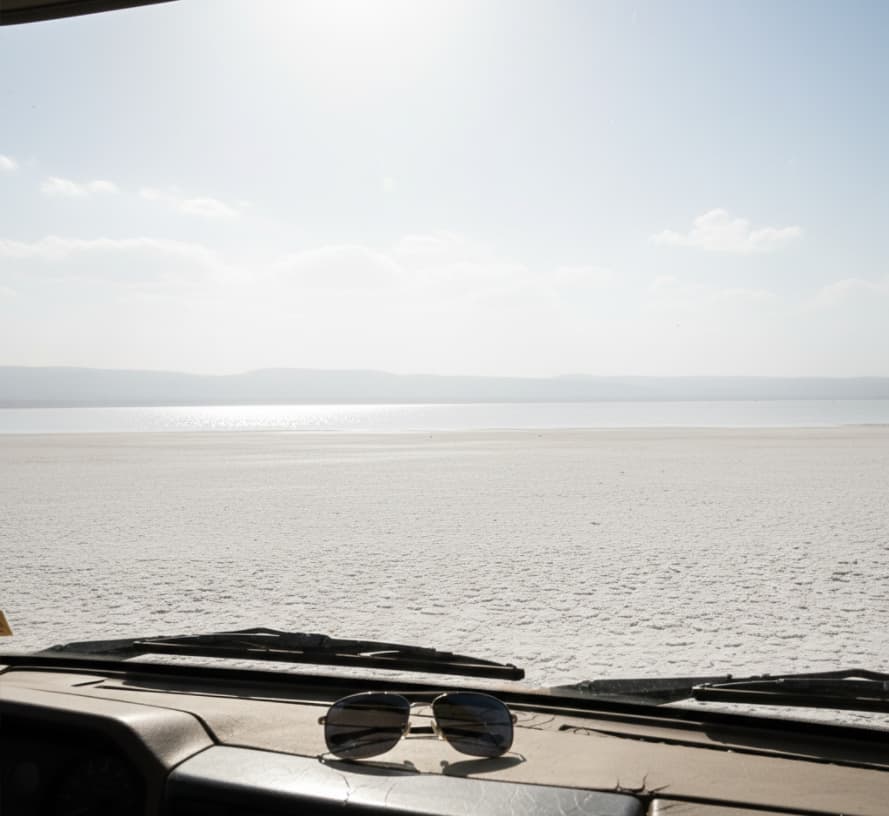
A common mistake on a Lake Nakuru Safari Packing List is treating sun protection as a secondary concern. Because Lake Nakuru is a shallow alkaline “soda” lake, it creates what we call the Alkaline Mirror Effect. The white soda crust and high-pH water reflect up to 40% more UV radiation than the grassy plains of the Masai Mara.
In 2026, with the lake levels fluctuating and exposing more white salt flats, this glare can lead to “Safari Migraines” or temporary “Snow Blindness” if you are not properly equipped.
Essential Eye Protection
- Polarized Sunglasses for Rift Valley: Standard fashion lenses are insufficient here. You must pack polarized sunglasses to neutralize the intense horizontal glare bouncing off the water’s surface. This is vital for spotting submerged hippos or rhinos near the shoreline.
- Alkaline Dust Eye Drops: The fine, powdery dust in Nakuru has a high pH (alkaline). If it gets into your eyes, it causes more than just irritation; it can lead to chemical-like stinging.
- Information Gain: Pack preservative-free lubricating eye drops (artificial tears). Use them every evening at your Lake Nakuru lodge to flush out microscopic dust particles before they cause inflammation.
Advanced Skin Defense
- SPF 50+ for High Altitude: Remember, you are at 1,754m elevation. The atmosphere is thinner, and the UV index in Nakuru regularly hits “Extreme” (11-15) levels by 10:00 AM.
- The “Alkaline Burn” Protocol: If you have sensitive skin, the combination of sweat and alkaline dust can cause a unique rash. Pack a small tube of hydrocortisone cream or zinc-based balm to create a barrier on your neck and wrists.
The “UV Intensity”: Do not be fooled by “mostly cloudy” days. The Rift Valley’s clouds often act as a lens, scattering UV rays and increasing burn risk through a phenomenon called “cloud enhancement.” Even if the sun isn’t visible, apply your SPF 50+ every 3 hours. ☁️☀️
Photography & Optics: Protecting Gear from Corrosive Dust
Standard safari gear advice often falls short when applied to a Lake Nakuru Safari Packing List. Unlike the red soil of the Mara, the dust here is a fine, high-pH alkaline powder. This “soda dust” is chemically corrosive; if it settles on your equipment and meets humidity or morning mist, it can degrade lens coatings and seize up the moving parts of your camera body.
In 2026, protecting your optics is as much about chemical defense as it is about physical shielding.
The “Soda-Safe” Camera Setup
- The 400mm Zoom Lens (Minimum): To capture the iconic rhino sightings and birdlife without distressing the animals, a 400mm zoom lens is the gold standard for your Lake Nakuru Safari Packing List.
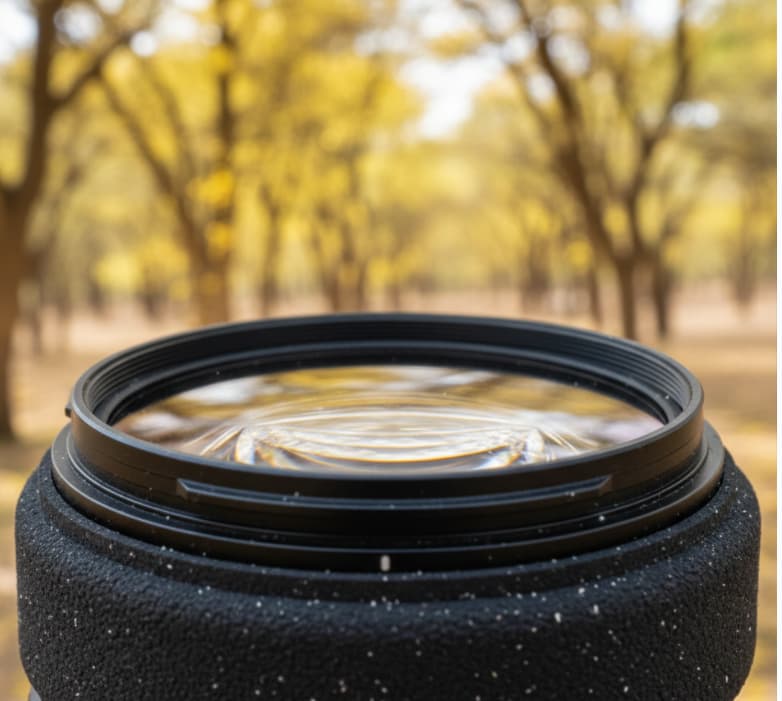
- Silicone Lens Sleeve: Beyond a standard bag, a silicone lens sleeve or a neoprene “skin” is a game-changer. These fit tightly around the barrel, preventing fine alkaline particles from migrating into the internal gears during focal shifts.
- UV Filter (Non-Negotiable): In Nakuru, the UV filter isn’t just for light—it is a physical barrier. It is much cheaper to replace a pitted filter than the front element of a professional lens.
- Dust-Proof Camera Bag: Choose a bag with an integrated “All-Weather” (AW) cover. Keep the bag closed and the cover on at all times, even inside the vehicle, as the slipstream of a Self-Drive Safari vehicle pulls dust directly into the cabin.
- Circular Polarizer (CPL) Filter: This is the most overlooked item on a Lake Nakuru Safari Packing List. Because of the high alkalinity and 2026 lake expansion, the water surface acts like a giant mirror. A CPL filter is essential to cut through the horizontal glare, allowing you to see “through” the water to spot submerged hippos or get the deep turquoise colors in your landscape shots.
🛡️ OPERATOR INSIGHT : Many photographers blame the “Rift Valley Haze” for blurry photos at Baboon Cliff. In reality, it’s often just uncontrolled light bouncing off the soda crust. If you are visiting the Best Viewpoints in Lake Nakuru National Park, a Circular Polarizer (CPL) is the only tool that can “delete” that haze in-camera, saving you hours of editing.
Best Binoculars for Birding & Rhino Tracking (2026 Picks)
With over 450 species, including the famous flamingos and pelicans, your optics must handle high-contrast glare.
- 8×42 or 10×42 Magnification: We recommend 10×42 if your primary goal is spotting the elusive Black Rhino in the dense acacia thickets. While 8×42 offers a wider field of view for fast-moving birds, the extra magnification of the 10x lens is essential for identifying the “hooked lip” of a rhino from a safe distance of 100 meters. For a deeper look at why distance and optics are so critical for these territorial giants, see our comprehensive guide on Rhinos in Lake Nakuru National Park to master the species-split before you arrive.
- Nitrogen-Purged Lenses: Ensure your binoculars are nitrogen-purged (waterproof and fog-proof). This prevents “internal fogging” when moving from your air-conditioned Lake Nakuru lodge into the humid morning air, ensuring you don’t miss a rare rhino sighting due to a clouded lens.
- Anti-Reflective Coating: Essential for cutting through the harsh “white-out” glare reflecting off the soda lake surface during mid-day rhino sightings.
The “Silent Gear”
2026 KWS Enforcement Hack: In 2026, KWS has increased patrols against unauthorized drone usage. If you have a drone in your bag without a pre-approved USD 300 daily permit, it will likely be confiscated at the gate. If you are a creator, stick to long-range telephoto shots from the Baboon Cliff to get that “aerial” look of the pink shoreline without the legal risk. 🚁❌
Health & Hygiene: The “Pink Dust” Protocol
The southern reaches of Lake Nakuru, particularly the dense acacia woodlands surrounding Makalia Falls, require specific health preparations that differ from the open savannahs of other parks. Your Lake Nakuru Safari Packing List must account for the unique intersection of alkaline dust and woodland insect activity.
- The “Pink Dust” Defense (Wet Wipes): The fine, high-pH dust from the lake bed can cause skin dryness and mild chemical irritation. Pack alcohol-free wet wipes for safari use. In 2026, KWS has strictly banned the disposal of moist wipes in park restrooms due to their non-biodegradable liners. Ensure you carry a small “dry bag” to pack these out to your Lake Nakuru lodge.
- Insect Repellent with DEET: While the lake’s alkalinity limits mosquito breeding on the water, the freshwater marshes near the Nderit River are active zones. Use a repellent with at least 30% DEET for evening game drives.
- Tsetse Fly Colors to Avoid: Most generic guides suggest avoiding blue/black for aesthetic reasons. However, in Nakuru’s southern forests, this is a health requirement. Tsetse flies are attracted to dark, heat-absorbing colors. Avoid navy blue leggings or black shirts to minimize the risk of painful bites.
- Malaria Prevention Nakuru: Lake Nakuru is situated in a malaria-risk area. Consult your doctor for prophylaxis and include them in your medical kit.
The “Sanitation Logic”
2026 KWS Fine Alert: As of early 2026, KWS rangers at the Lake Nakuru National Park Gates may conduct spot checks for single-use plastic water bottles. Avoid a KES 10,000 (~$75) fine by ensuring your Lake Nakuru Safari Packing List includes a reusable stainless steel or BPA-free silicone bottle. 🧴🚫
Logistical “Logic-Led” Extras (The Insider Hacks)
The final items on your Lake Nakuru Safari Packing List are often the difference between a standard tourist trip and a seamless, professional expedition. These “Logic-Led” extras address the specific 2026 environmental and regulatory shifts that generic guides overlook.
- Reusable Water Bottle (Non-Plastic): Lake Nakuru is a strictly enforced “Plastic-Free Zone.” Disposable plastic bottles are frequently confiscated at the Main and Lanet gates. Pack a high-quality insulated flask to keep your water cool during the midday heat; most lodges provide refill stations as part of their 2026 sustainability protocols.
- The Maasai Shuka Windbreaker: In 2026, savvy travelers are replacing bulky jackets with a Maasai Shuka. This thick, acrylic-woven “African blanket” is the perfect multi-tool for Nakuru’s micro-climate. It acts as a windbreaker during chilly 6:00 AM drives and serves as a dust shield for your lap when navigating the dry southern plains.
- Offline GPS Maps: Do not rely on a live data connection for navigation. If you are planning a Lake Nakuru Self-Drive, download the region on Google Maps for offline use. Mobile signals drop significantly near the Out of Africa Lookout and the deep acacia forests.
- Picnic Snacks (Baboon-Proof): While you can enjoy a meal at designated sites like Baboon Cliff, your Lake Nakuru Safari Packing List should include “stealthy” snacks. Information Gain: Nakuru’s primates are highly habituated to the sound of crinkling plastic. Pack your snacks in silent silicone bags or reusable beeswax wraps to avoid attracting aggressive baboons.
The “Recovery”
2026 Recovery Fee Alert: Be extremely cautious when driving near the “white” salt flats. If you get stuck and require a KWS tractor for vehicle recovery, the official fee is KES 10,500 (~$80) per incident. This must be settled via eCitizen before your vehicle is released. Always stay on the established gravel tracks to avoid this logistical nightmare. 🚜💸
Checklist Table: To finish the article, I recommend a “Final 10-Second Checklist” table that summarizes the “Must-Haves” vs. “Nice-to-Haves” for easy mobile scanning before leaving for Nakuru National Park.
| The “Must-Haves” (Gate Ready) | The “Nice-to-Haves” (Comfort) |
| Offline eCitizen QR Code | Maasai Shuka / Fleece |
| Reusable Water Bottle | 20,000mAh Power Bank |
| Neutral-Colored Clothing | Polarized Sunglasses |
| Circular Polarizer | Binoculars (8×42) |
| Physical ID / Passport |
FAQs: Lake Nakuru Safari Packing List (2026 Edition)
What is the official 2026 Lake Nakuru entry fee for non-residents?
As early as 2026, the adult non-resident entry fee for Lake Nakuru National Park is USD 90 per 24 hours. This must be paid in advance via the eCitizen KWSPay portal. Note that KWS operates on a 24-hour clock, meaning if you enter at 10:00 AM today, your ticket is valid until 10:00 AM tomorrow.
Can I fly a drone in Lake Nakuru to film the flamingos?
Recreational drone usage is strictly prohibited. Professional filmmakers must obtain a USD 300 per day KWS permit, alongside Kenya Civil Aviation Authority (KCAA) clearance. Rangers in 2026 utilize acoustic monitoring; flying without a permit results in immediate equipment confiscation and heavy fines.
Are flamingos still at Lake Nakuru in 2026?
Yes, but their concentration depends on the lake’s salinity. Due to rising water levels in the Rift Valley, flamingos often move between Lake Nakuru and Lake Bogoria. For the best chance to see the “pink carpet,” check recent sightings or use our Best Time to Visit Lake Nakuru guide for current water level trends.
Is it safe to self-drive in Lake Nakuru during the rainy season?
Self-driving is safe, but a 4×4 vehicle is mandatory for the southern circuit (Nderit Gate and Makalia Falls) in 2026. The “black cotton soil” in these areas becomes impassable for 2WD vehicles after a single afternoon storm. Stick to the paved northern loops if you are not in a 4×4.
What are the fines for off-roading in Lake Nakuru?
KWS has increased patrols in 2026 to protect the fragile rhino sanctuary. The on-the-spot fine for off-road driving or leaving your vehicle in non-designated areas is KES 20,000 (~$150).