Email:
 Phone:
 WhatsApp:

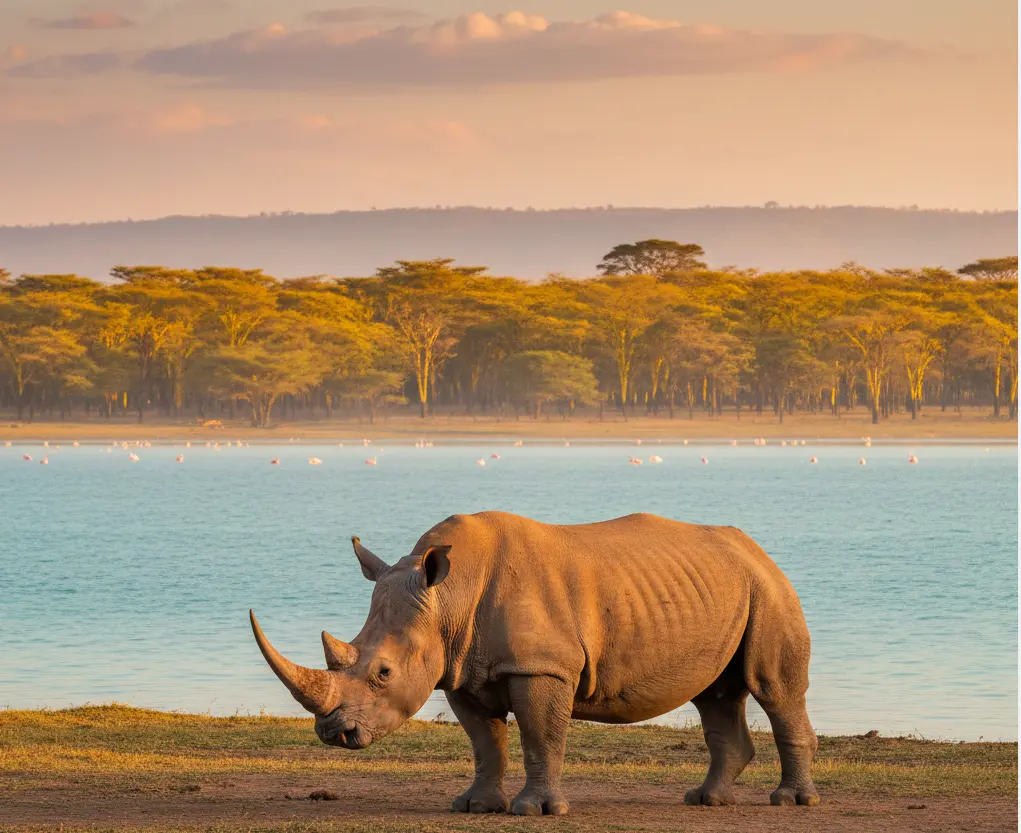
Is Lake Nakuru National Park safe? Yes. Lake Nakuru is considered one of Kenya’s safest premium parks due to its fully fenced perimeter, high-density KWS ranger patrols, and its close 10-minute proximity to the medical infrastructure of Nakuru City.
🛡️ 2026 Safety Summary: The Quick Verdict
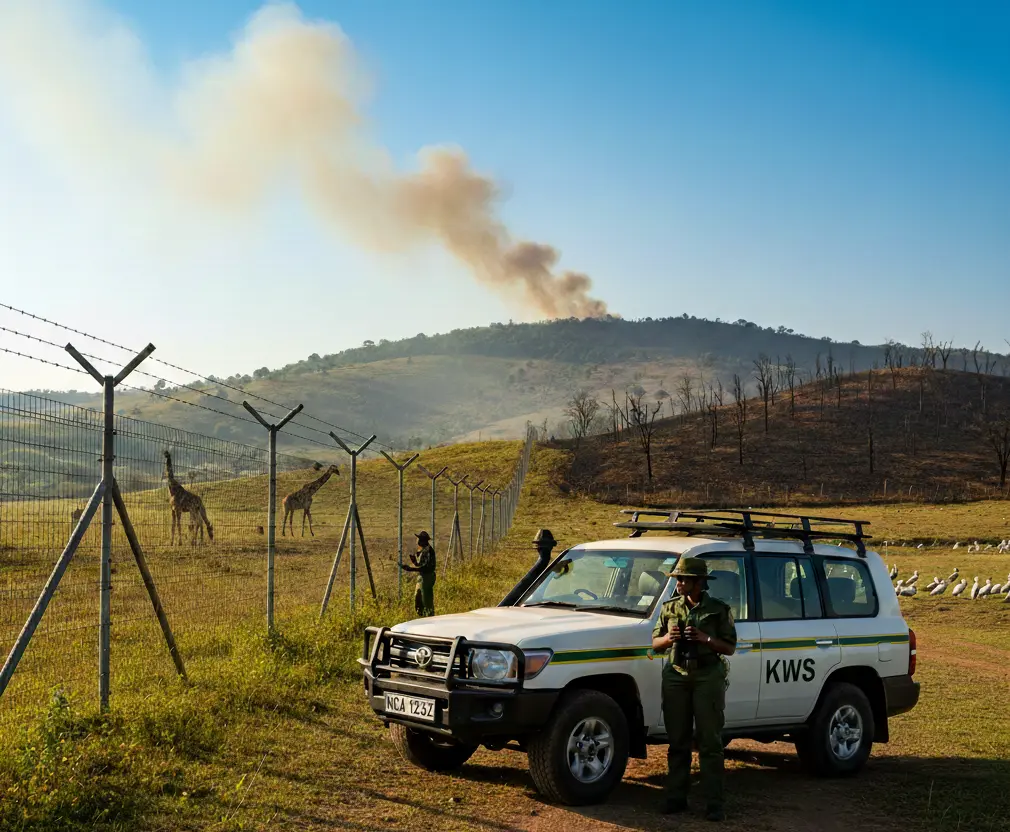
As of 2026, Lake Nakuru National Park remains a low-risk destination for solo travelers and families. The park is 100% fenced, virtually eliminating the risk of human-wildlife conflict or unauthorized entry. While a localized bushfire at Honeymoon Hill was swiftly contained on February 7, 2026, all tourism circuits and lodges remain fully operational and secure. For solo female travelers, the park’s compact size and reliable cell coverage offer a safer, more controlled environment than the vast, open plains of the Maasai Mara.
Whether you are planning a solo photography expedition or a family safari with young children, knowing the ground reality of 2026 security is the first step. Most general guides give you outdated advice from years ago, but that is not all… staying safe in Nakuru today requires understanding the new 2026 digital payment rules and specific wildlife behaviors that have shifted with the rising lake levels.
Quick Navigation: Jump to Your Section
The 2026 Reality: Is Lake Nakuru National Park Safe from Crime?
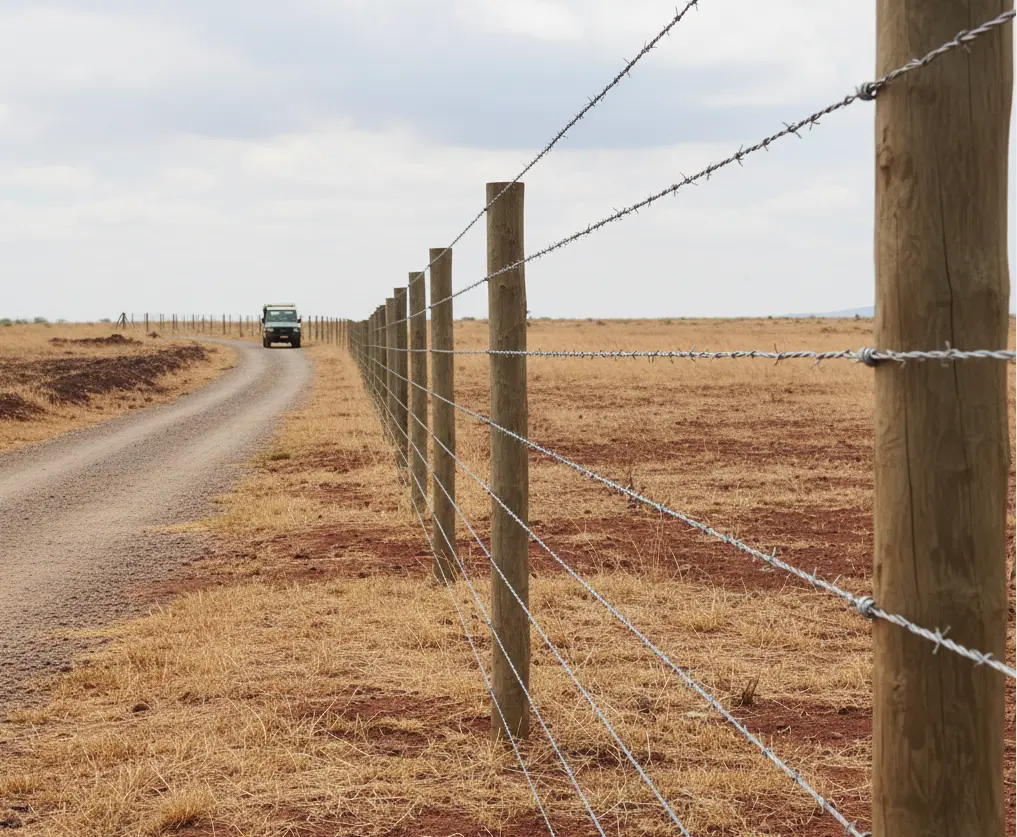
When travelers ask, is Lake Nakuru National Park safe?, they are usually comparing it to the sprawling, open-boundary reserves like the Maasai Mara. In 2026, the answer is a definitive yes—but for reasons most guidebooks overlook. Unlike many other parks, Lake Nakuru is a fully fenced national park, creating a physical “security moat” that separates the wilderness from the surrounding urban expansion.
This 188-square-kilometer perimeter is not just for keeping rhinos in; it is a highly effective barrier against unauthorized entry. Because the park is compact and enclosed, the density of KWS ranger patrols per square kilometer is significantly higher here than in larger Kenyan parks. In 2026, these patrols have been upgraded with digital surveillance and mobile tracking, ensuring that response times to any incident—whether a mechanical breakdown or a security concern—are among the fastest in the country.
Urban Proximity: A Security Paradox
One unique aspect of Nakuru is its location. The park sits literally on the doorstep of Nakuru City, with the Main Gate situated just 4 km from the town center. While Nakuru city safety requires standard urban precautions (watch your pockets in crowded markets), this proximity is actually a massive safety benefit for tourists.
Unlike remote camps in the North, a traveler in Lake Nakuru is never more than 15 to 30 minutes away from high-end private medical facilities or police headquarters. This “Urban-Safari” hybrid makes it arguably the safest park in Kenya for those who feel vulnerable in extreme isolation.
🛡️ OPERATOR INSIGHT: The 6 PM Lockdown
While the park is exceptionally secure, safety is strictly enforced by the clock. In 2026, KWS has implemented a rigorous exit-verification system at all gates. If you are not staying in one of the licensed Lake Nakuru lodges, you must be outside the gates by 6:00 PM. Failing to exit on time triggers an automatic security alert and can lead to significant fines or vehicle impoundment at the gate.
The “Safe Passage” Strategy for 2026
To ensure your transition from the city to the park is seamless, we recommend choosing your entry point based on your arrival direction. If you are driving from Nairobi, using the Lanet Gate allows you to bypass the heavy Nakuru CBD traffic entirely, reducing your exposure to busy urban “snatch-and-grab” zones.
⚠️ 2026 ROAD ALERT: Financial Security at the Gate
To avoid delays or potential payment scams, remember that KWS gates are now 100% cashless. Security begins with your documentation. Ensure your park permits are pre-paid and your QR code is ready on your phone before you reach the ranger post. For a skip-the-line experience, see our 2026 KWSPay Step-by-Step Guide to learn more on how to secure your entry permits legally and safely.
By maintaining this high level of visibility and restricted access, KWS has ensured that is Lake Nakuru National Park safe? remains a question with a very reassuring answer for the modern traveler.
Wildlife Safety: Rules for Self-Drivers and Families
When travelers ask, is Lake Nakuru National Park safe?, their concern often shifts from human crime to wildlife encounters. Because this is a compact, high-density sanctuary, you are statistically more likely to encounter a rhino or a buffalo here than in the vast Mara. However, safety in 2026 is defined by your level of compliance with the stay in vehicle rule.
The “No Alighting” Mandate & 2026 Fines
In Lake Nakuru, your vehicle is your only mobile cage. Except for clearly marked viewpoints like Baboon Cliff, Lion Hill, or the Out of Africa lookout, stepping out of your car is strictly prohibited. In 2026, KWS has stepped up surveillance using acoustic sensors and increased patrols to catch “selfie-seekers” who alight near the shoreline.
⚠️ 2026 ENFORCEMENT ALERT: The Cost of a Selfie
Alighting from your vehicle in a non-designated zone now carries an immediate on-the-spot fine of KES 10,000 (~$75) per person. If you are found off-road (even by a few meters) to get closer to a rhino, the fine jumps to KES 20,000. To avoid these costly mistakes, see our Lake Nakuru National Park Self Drive: 2026 Rules & Route Hacks for a map of “Safe-to-Step-Out” zones.
Baboon Cliff: The Primates’ Pickpocket Zone
While Baboon Cliff offers the most stunning panoramic view of the lake, it is the park’s primary “theft” zone—not by humans, but by the resident baboon troops. These primates have mastered the art of opening unlocked car doors and sliding windows in seconds.
- Family Tip: Keep all windows rolled up and doors locked before you reach the parking bay.
- The Food Rule: Never carry food or even a visible water bottle in your hand. The baboons at Nakuru have become aggressive enough to snatch items directly from children.
Rhino Encounter Safety: The 25-Meter Rule
As one of Kenya’s most successful sanctuaries, Lake Nakuru offers a near-guarantee of seeing both Black and White rhinos. However, their prehistoric appearance masks a surprising speed.
- Right of Way: In 2026, KWS rules state that wildlife always has the right of way. If a rhino is on the road, you must switch off your engine and wait.
- The Warning Signal: If a rhino stops grazing and squares its shoulders toward your car, you are within its “stress zone.” Slowly back away.
🛡️ OPERATOR INSIGHT: The “Buffalo Blindspot”
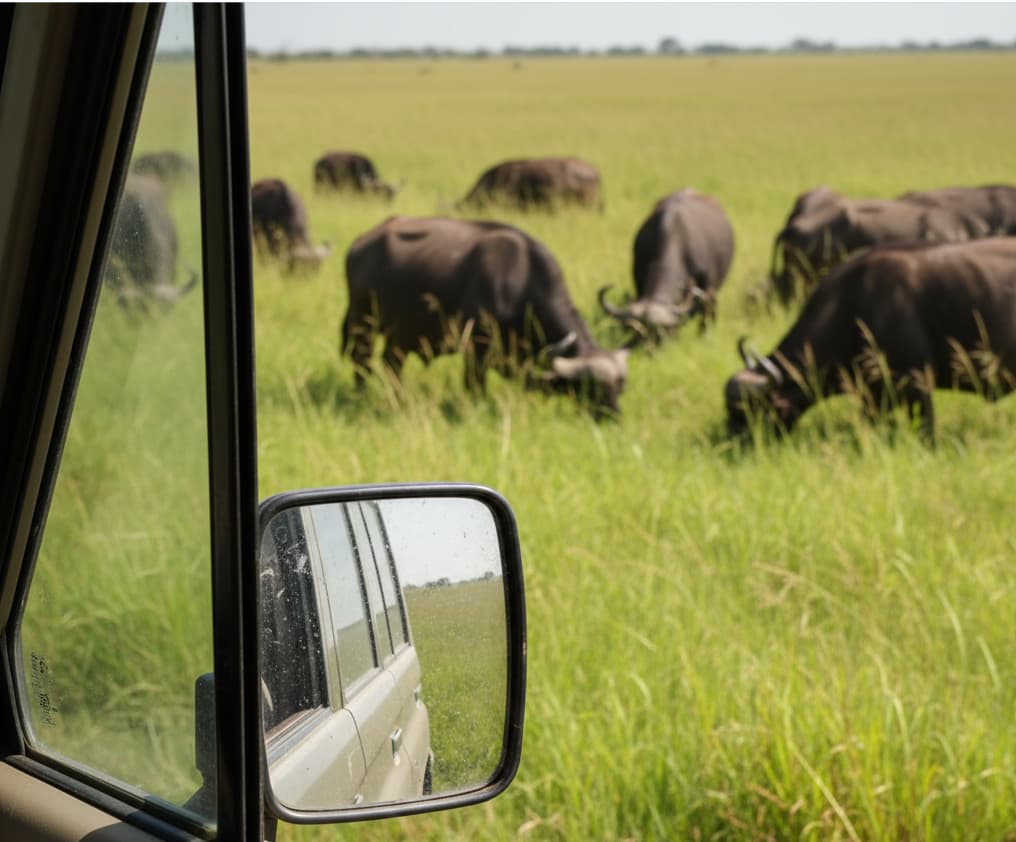
Families often focus on lions, but the Cape Buffalo is the park’s most unpredictable resident. In 2026, due to the lush acacia growth near the Main Gate, buffalo often hide in the thickets just inches from the road. Is Lake Nakuru National Park safe? Yes, provided you never “push” a buffalo off the road with your car—they are known to ram vehicles if they feel cornered.
For families with younger children, the predictability of Nakuru’s fenced environment makes it a “starter safari” favorite. By following ranger instructions and keeping a respectful distance, you ensure that your 2026 safari remains a memory of beauty, not a lesson in KWS fines.
Environmental Safety: Fires, Floods, and “Mud Traps”
Beyond wildlife, the physical landscape of the Rift Valley introduces logistical challenges that directly answer the question: is Lake Nakuru National Park safe? In 2026, safety is less about crime and more about navigating a shifting environment of rising waters and seasonal dry-spell risks.
The February 7, 2026 Update: Fire at Honeymoon Hill
Freshness is key to safety. On February 7, 2026, a localized bushfire broke out near the Honeymoon Hill area, spreading from the nearby Lake View Estate. Thanks to a swift multi-agency response from KWS and Nakuru City fire teams, the blaze was fully contained within six hours with no injuries to tourists or wildlife.
While the park remains open and secure, this event serves as a reminder that is Lake Nakuru National Park safe? during the dry season (January–March) depends on your situational awareness. High winds and dry acacia scrub can turn a small ember into a fast-moving grass fire.
The “Mud Trap” Reality: 4WD vs 2WD Safety
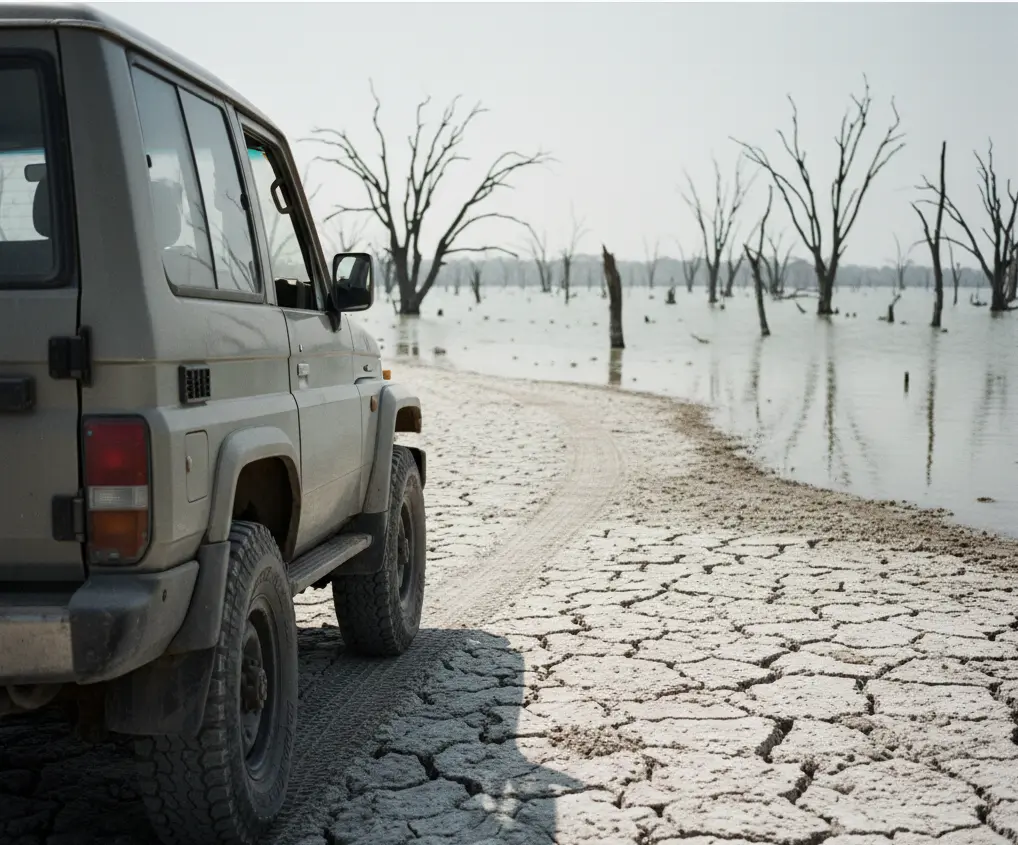
The most common “emergency” in Nakuru today isn’t a predator encounter; it is a vehicle getting bogged down. The lake has expanded significantly—from 43 $km^2$ to over 80 $km^2$—turning previously solid tracks into deceptive alkaline mud traps. These areas look like dry, cracked salt crusts but act like quicksand once a vehicle’s weight is applied.
- The 2WD Risk: While you can technically enter in a small car, 2WD vehicles are strictly limited to the high-ground tarmac and gravel roads near the Main Gate and Baboon Cliff.
- The 4WD Mandate: For the southern circuits near Makalia Falls, a high-clearance 4WD is non-negotiable in 2026.
⚠️ 2026 ROAD ALERT: The Cost of Getting Stuck
If you veer off-track and get stuck in the mud, KWS recovery fees now start at KES 10,500 (~$80), excluding potential fines for “damaging the ecosystem” by off-roading. To ensure your vehicle is up to the task before you leave Nairobi, see our 2026 Kenya Car Hire Survival Guide for the 7 essential mechanical checks required for Rift Valley terrain.
Rising Water Levels & Track Closures
The rising lake levels have submerged several old “shoreline” roads. Driving into standing water is highly discouraged, as the alkaline content is corrosive to vehicle undercarriages and hides deep silt pockets.
🛡️ OPERATOR INSIGHT: The “Safe Route” Strategy
Is Lake Nakuru National Park safe? Logistically, yes, provided you stick to the Northern and Western ridges. If you find a road covered in water, do not attempt to “test the depth.” Instead, consult our Lake Nakuru National Park Self Drive Guide to learn more on how to navigate the 2026 route hacks and avoid the flooded southern detours.
Health & Medical Safety: Malaria and Altitude in 2026
When planning a safari, many travelers ask: is Lake Nakuru National Park safe? from a health perspective. In 2026, the answer is a combination of geographic advantages and high-tier medical infrastructure that sets Nakuru apart from more isolated parks like the Mara or Tsavo.
The Altitude Factor: Malaria Risk in 2026
Geography is your best defense in Nakuru. The altitude of Lake Nakuru sits at approximately 1,754 meters (5,755 feet) above sea level. This high-altitude Rift Valley climate is generally too cool at night for the Anopheles mosquito to thrive effectively compared to the hot, humid coastal regions.
While the Lake Nakuru malaria risk 2026 is classified as low, it is not zero. The recent rise in lake levels has created new marshy pockets near the shoreline where mosquitoes can breed during the rainy seasons (April–May and November).
🛡️ OPERATOR INSIGHT: Altitude as a Health Shield
For those highly concerned about insect-borne illnesses, we recommend staying at high-ridge accommodations like The Cliff or Sarova Lion Hill. These “high-altitude” lodges sit above the primary mosquito flight paths near the water. If you choose lakeside camping, however, see our Ultimate Lake Nakuru Safari Packing List to learn more on the specific 2026-strength repellents required for shoreline stays.
Medical Facilities: The 10-Minute Safety Net
Is Lake Nakuru National Park safe? Absolutely, because it is one of the few parks where “wild” doesn’t mean “remote.” Unlike the deep bush, the park’s Main Gate is less than 15 minutes away from medical facilities in Nakuru town.
In 2026, Nakuru City hosts several Level 5 and Level 6 private hospitals, including Mediheal Hospital and Lifecare Hospitals, which offer 24/7 emergency services, ICU facilities, and specialist care. For a traveler, this proximity eliminates the high-stress, multi-hour “medevac” flights often required in other Kenyan reserves.
Vaccinations: Yellow Fever Kenya Requirements
Before arrival, ensure you are compliant with the yellow fever Kenya requirements. As of 2026, travelers entering Kenya from countries where yellow fever is endemic must present a valid, life-long vaccination certificate. While Nakuru is not a high-outbreak zone, border health officials have increased digital verification of these certificates to ensure national safety.
💡 PRO TIP: The 2026 Health Check
While most safari travelers focus on malaria, don’t overlook the Rift Valley sun. The high altitude means thinner air and a higher UV index. To avoid heat stroke or severe burns—which are more common safari “injuries” than animal attacks—ensure you’ve checked the hydration and sun-protection tips in our Lake Nakuru Safari Packing guide.
By balancing the natural benefits of its 1,754m elevation with its proximity to urban medical centers, Lake Nakuru offers a “Health Safety Net” that makes it the premier choice for families, seniors, and solo travelers in 2026.
Solo Female Traveler Guide: Safety in and Out of the Park
Traveling solo as a woman in East Africa often comes with a unique set of questions, primarily: is Lake Nakuru National Park safe? In 2026, Lake Nakuru is widely considered one of the most accessible and secure destinations for women exploring Kenya independently. Its compact size and proximity to urban centers eliminate the “lost in the wilderness” anxiety often felt in larger, more remote reserves.
The “Safe Passage” from Nairobi to Nakuru
Your safety journey begins long before you reach the park gates. The 160 km drive from Nairobi is on a well-paved, high-traffic highway. For solo travelers, the transition from the capital to the Rift Valley is most secure when using vetted transport.
- Private Transfers: Using a pre-booked car service is the “gold standard” for safety. These drivers are often familiar with the specific 2026 traffic patterns and police checkpoints.
- Ride-Hailing in Nakuru: Once you arrive in the city, Nakuru Uber safety is high. A 2025/2026 industry survey revealed that over 90% of users in Kenya now view ride-hailing as safer than traditional taxis due to real-time GPS tracking and driver verification.
💡 PRO TIP: The “Share My Trip” Protocol
If you are using Uber or Bolt to get from your hotel to the Main Gate or Lanet Gate, always use the “Share My Trip” feature with a trusted contact. Additionally, ensure your driver matches the photo in the app—a simple check that remains the most effective deterrent for unauthorized pickups in 2026.
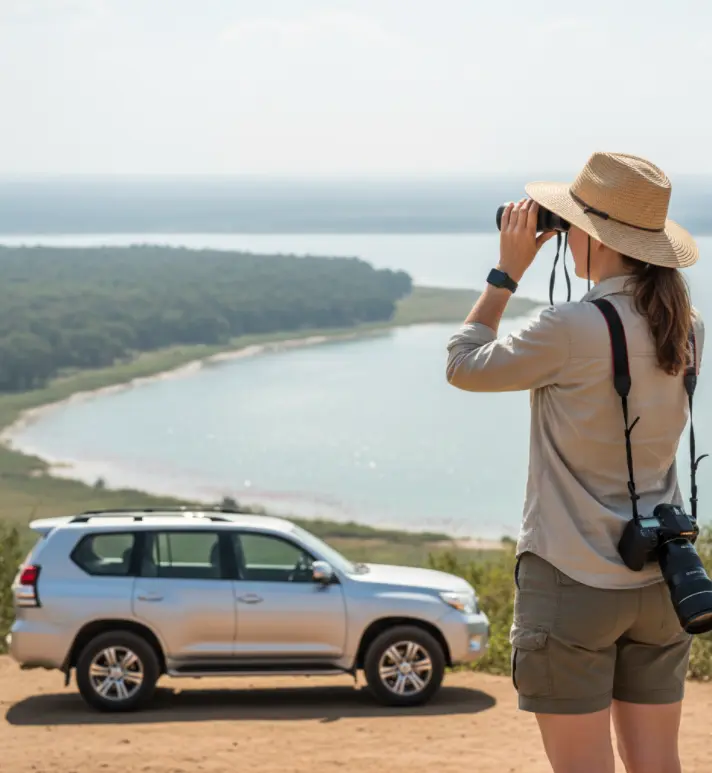
Navigating the Park: Solo Safari Dynamics
Is Lake Nakuru National Park safe? Inside the perimeter, the answer is a resounding yes. Because the park is fully fenced and heavily patrolled by KWS rangers, the risk of encountering unauthorized persons is nearly zero.
- Compact Scouting: Unlike the vast 1,500 Square Kilometers of the Mara, you can drive across Lake Nakuru in under an hour. This makes navigation easy for solo self-drivers who may worry about getting lost or running out of fuel in isolated areas.
- Female-Friendly Lodges: Many lodges in the park, such as Sarova Lion Hill, are well-versed in hosting solo female guests, offering escorted walks to rooms after dark and communal dining options for those looking to socialize.
🛡️ OPERATOR INSIGHT: Choosing Your Mode of Exploration
While self-driving is empowering, many solo women find that booking a 3-Day Masai Mara or Nakuru Safari through a reputable operator provides an extra layer of “Concierge” security. A professional guide handles all gate logistics and vehicle maintenance, allowing you to focus entirely on the wildlife. To see how these guided tours are structured for maximum safety, see our 3-Day Masai Mara & Nakuru Operator-Led Guide to learn more on how to bridge the gap between adventure and security.
2026 Social Etiquette & Urban Safety
When stepping out in Nakuru City for dinner or supplies, standard urban precautions apply.
- Dress Code: While safari wear is standard inside the park, modest clothing (covering shoulders and knees) is recommended when walking through Nakuru’s CBD to avoid unwanted attention.
- Night Travel: Avoid walking alone after 8:00 PM. Stick to well-lit areas or use transport safety 2026 apps for door-to-door service.
By utilizing licensed guides and reputable ride-hailing services, solo female travelers can enjoy the raw beauty of the Rift Valley with total peace of mind.
Is Lake Nakuru a Scam? (Addressing the Flamingo Myth)
If you have spent any time on TripAdvisor recently, you may have seen frustrated reviews claiming that the park is a “scam” because the legendary pink horizon of flamingos has thinned out. This perception often leads travelers to wonder: is Lake Nakuru National Park safe to invest your limited safari budget into, or should you skip it for the Mara?
The truth is not a scam; it is a story of ecological shifting. In 2026, the Lake Nakuru flamingos have not disappeared—they have simply changed their “commute.” Due to the increased rainfall and lake rising levels over the last few years, the water’s alkalinity (the pH level required for the flamingos’ primary food source, Spirulina algae) has diluted.
Where are the flamingos in 2026?
The birds are nomadic. When the salt concentration in Lake Nakuru drops, the Lesser Flamingos fly to nearby Lake Bogoria or Lake Elementaita. However, they frequently return in massive “pulses” when the sun evaporates enough water to bring the alkalinity back to peak levels.
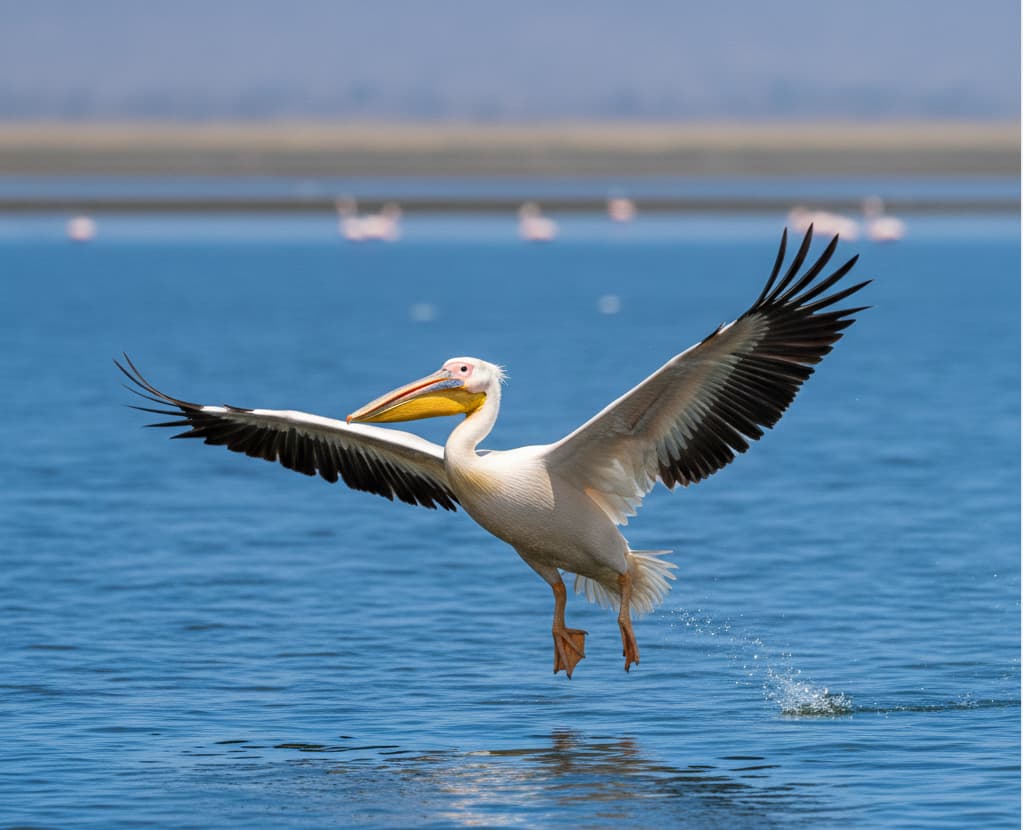
- The Trade-off: While you may see fewer flamingos than in the 1990s, the lower alkalinity has allowed fresh-water fish (like Tilapia) to thrive. This has attracted an explosion of Pelicans, Fish Eagles, and Cormorants, making the park a more diverse bird-watching destination than ever before.
- The “Big 4” Bonus: Most travelers forget that the “scam” complaints usually ignore the fact that Nakuru is now the most reliable place in Kenya to see both Black and White Rhinos and the rare Rothschild’s Giraffe.
🛡️ OPERATOR INSIGHT: Maximizing Park Value for Money
To avoid disappointment, don’t visit Nakuru only for flamingos. In 2026, the real park value for money lies in the density of rhino sightings and the famous “Tree-Climbing Lions” of the acacia woodlands. If your heart is set on seeing pink blankets of birds, see our 2 Days Lake Nakuru & Lake Naivasha Safari Guide to learn more on how to combine both lakes for the best 2026 birding results.
Is it Worth Your Money?
Is Lake Nakuru National Park safe for your wallet? Yes, provided you manage your expectations. If you are a photographer, the 2026 landscapes—where submerged yellow-fever acacia trees stand ghostly in the rising blue water—provide a hauntingly beautiful backdrop that generic safaris cannot match.
💡 PRO TIP: The Seasonal Flamingo Hack
Flamingo numbers usually peak during the drier months when evaporation increases alkalinity. Before booking your trip, check our guide on the Best Time to Visit Lake Nakuru National Park (Opening Hours & Seasonal Tips) to sync your arrival with the highest probability of seeing the “Pink Lake” phenomenon.
By addressing the “scam” myth head-on, it becomes clear that Nakuru isn’t losing its value; it is evolving. For the 2026 traveler, it remains a high-security, high-reward sanctuary that offers much more than just a single species of bird.
Quick-Reference Safety
Is there crime inside the park?
No, the park is 100% fenced and patrolled by KWS).
Is it safe to drive a small car?
Limited to the North; 4WD is recommended for 2026 mud zones).
Can I visit solo as a woman?
Yes, with high Uber safety in town and secure lodges inside).
Conclusion: The Hilmuks Final Safety Verdict
So, is Lake Nakuru National Park safe? After analyzing the 2026 security landscape, ecological shifts, and urban proximity, the verdict is a clear yes. For families and solo travelers, the park offers a controlled, high-visibility environment that serves as the perfect “entry-level” safari. Unlike the vast, unfenced wilderness of other regions, Nakuru’s gated sanctuary provides a level of psychological and physical security that is hard to beat.
To ensure your trip remains a success, remember that safety in 2026 is a three-pronged approach:
- Wildlife Awareness: Respecting the 25-meter rhino rule and the “No Alighting” mandate.
- Environmental Preparation: Choosing the right vehicle for the high water levels and mud traps.
- Logistical Security: Ensuring your financial and medical bases are covered before you hit the gate.
The Final Safety Checklist
Before you set off, ensure you have addressed the two most common “stress points” for 2026 travelers: what you bring and how you pay.
🛡️ OPERATOR INSIGHT: Your Physical & Financial Safety Net
Physical safety starts with the right gear—from high-UV protection for the Rift Valley sun to the correct insect repellents for the lakeshore. See our Ultimate Lake Nakuru Safari Packing List to learn more on the 2026 logistical essentials. Equally important is your financial security; since the park is 100% cashless, you must have your eCitizen permits ready. To avoid gate-side payment scams or delays, see our updated Lake Nakuru National Park Entry Fees & Payment Guide for the current 2026 KWS rates.
By following these concierge-level tips, you transition from a standard tourist to an informed “insider.” Lake Nakuru National Park is ready for you—safe, secure, and spectacular.