Email:
 Phone:
 WhatsApp:

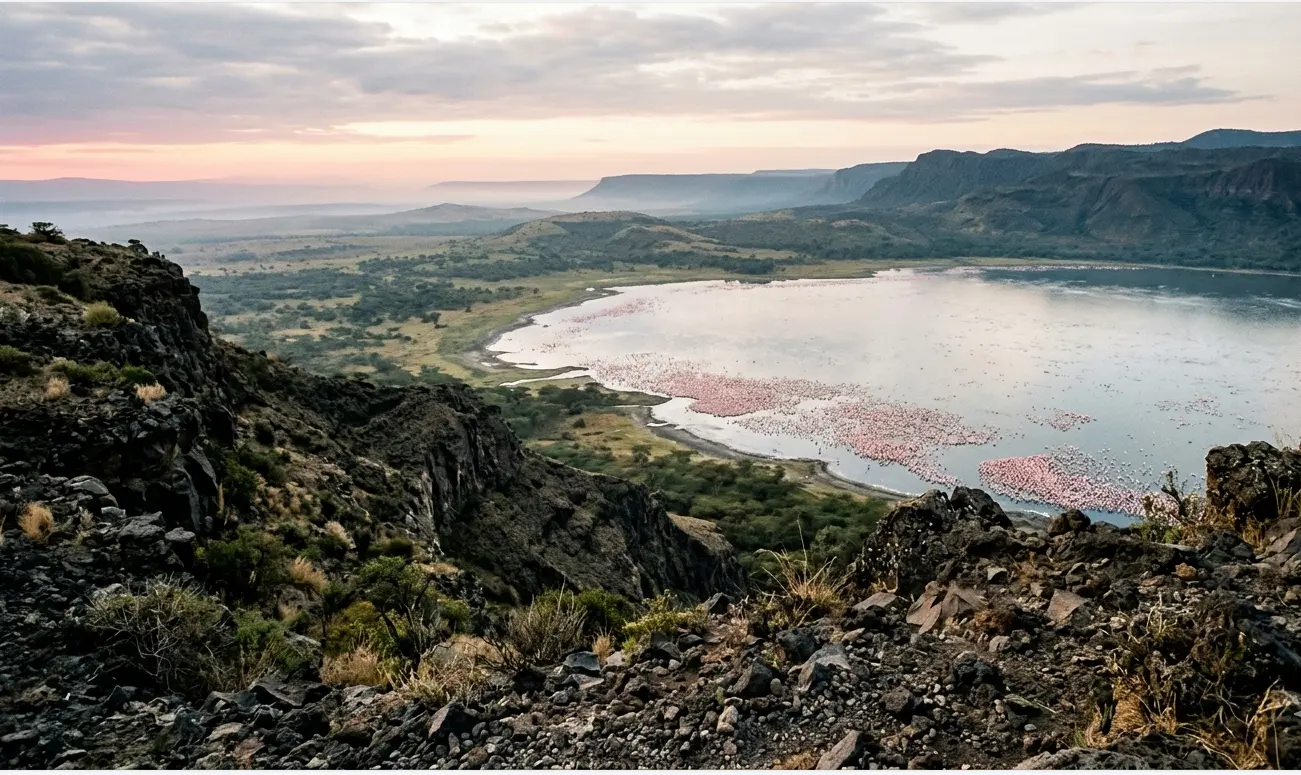
While many people search for the best things to do in Nakuru, the real magic happens when you dive into the fun things that locals usually keep to themselves…The fun things to do in Nakuru in 2026 are exploring the volcanic Menengai Crater, visiting the historical Lord Egerton Castle, and experiencing the rhino-rich Lake Nakuru National Park. Beyond the safari, the city offers archaeological wonders at Hyrax Hill, a thriving “Chomazone” food culture, and a vibrant urban nightlife that makes it Kenya’s most diverse Rift Valley destination.
The 2026 Reality of Nakuru City & Park
If you are looking for places to visit in Nakuru, it’s time to look beyond the “Pink Lake” postcards. While the park remains a crown jewel, Nakuru has evolved into a multi-layered travel hub where urban culture meets prehistoric history.
The ground reality for travelers in 2026 has shifted significantly:
- The Urban & Culinary Pivot: Nakuru is no longer just a safari stopover. From the architectural tragedy of Lord Egerton Castle to the ancient settlements of Hyrax Hill, the city’s historical sites are primary draws. For those seeking the local vibe, the city’s famous “Chomazones” and late-night eateries offer a taste of authentic Nakuru culture that safari-only guides completely miss.
- The 2026 Traffic Strategy: Infrastructure is the biggest “hidden” hurdle this year. Ongoing road construction on the Rironi-Mau Summit stretch means the Nairobi to Nakuru transport time is unpredictable.
- For the City, Eateries, or Museums: Stay on the main A104 highway; it leads you directly into the heart of the city’s commerce and history.
- For the Park Only: Use the Lanet Gate Shortcut to bypass city gridlock entirely.
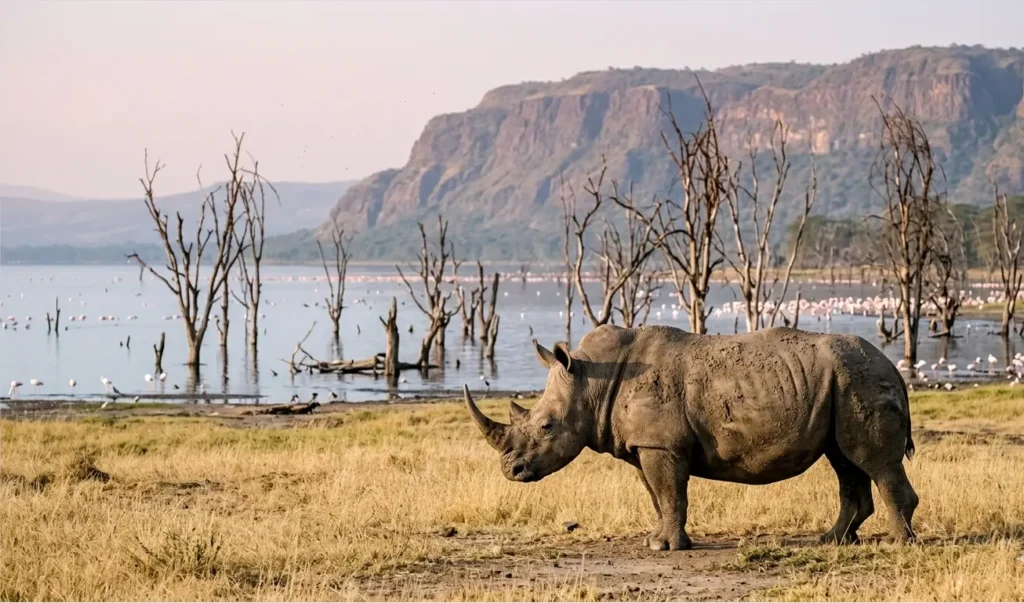
- The “Pink” Myth vs. Rhino Reality: Don’t come expecting a solid pink horizon. Due to rising water levels, the flamingos have dispersed, but they have been replaced by an explosion of Great White Pelicans and arguably the best rhino sightings in Kenya.
- A Local’s Secret: For the most balanced experience, split your time between the wild and the urban. Start with a sunrise hike at the Menengai Crater rim for panoramic views, and save your afternoon for the city’s thriving food scene or a game drive in the southern park plains.
Regardless of your itinerary, the best time to visit Nakuru depends on your goal—whether you’re chasing the cool volcanic breezes of the crater rim, the legendary “Chomazone” grills of the CBD, or the “wet-paw” lions of the flooded forest.
Quick Navigation: Jump to your Section
Wildlife & Safari: Visit Lake Nakuru National Park
The most popular things to do in Nakuru revolve around the national park, but the “Pink Lake” of the 1990s has officially been replaced by a “Rhino Sanctuary” reality. High water levels have flooded the traditional shoreline tracks, creating a unique “submerged forest” habitat for the Big 4. While you won’t find elephants here, the concentration of leopards, tree-climbing lions, and the rare Rothschild’s Giraffe is higher than in most larger Kenyan parks.
For successful rhino sightings in Kenya, Lake Nakuru remains the gold standard because of its fenced, high-density sanctuary status. Both Black and White Rhinos are present, often grazing in the open southern plains away from the dense acacia scrub. If you are entering through the Main Gate, expect a different landscape than old guidebooks suggest, as the rising lake has forced wildlife into new, higher territories.
🛡️ OPERATOR INSIGHT: The northern lake tracks are currently prone to “black cotton mud” which can swallow a 4×4 even in the dry season. If your goal is seeing big cats and rhinos without getting stuck, stick to the elevated southern loops and see our Rhinos in Lake Nakuru 2026 Guide for the exact coordinates of the most reliable sighting spots.
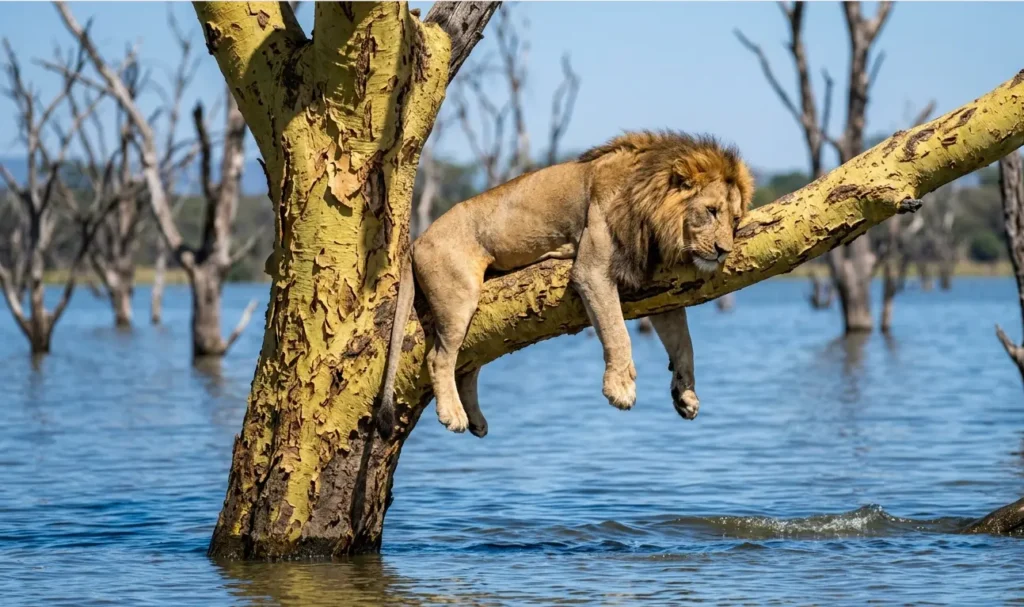
Activities in Lake Nakuru National Park have also shifted toward photography of the “Dead Forest”—thousands of yellow-barked acacia trees now standing in water. This eerie backdrop is the best place to find the park’s famous tree-climbing lions, who use the branches to escape the damp ground. For a complete list of the best spots to visit, check out our 12 Best Things to Do in Lake Nakuru National Park.
Before you head out, ensure you have reconciled your Lake Nakuru park fees 2026 on the eCitizen portal. KWS rangers are no longer accepting any form of cash or direct M-Pesa at the gate, and the network can be spotty at the entrance.
Now that we’ve mapped out the wildlife hotspots, let’s look at how to reach the best viewpoints by heading toward the volcanic heights of the city…
High-Altitude Adventure: The Menengai Crater Rim & Beyond
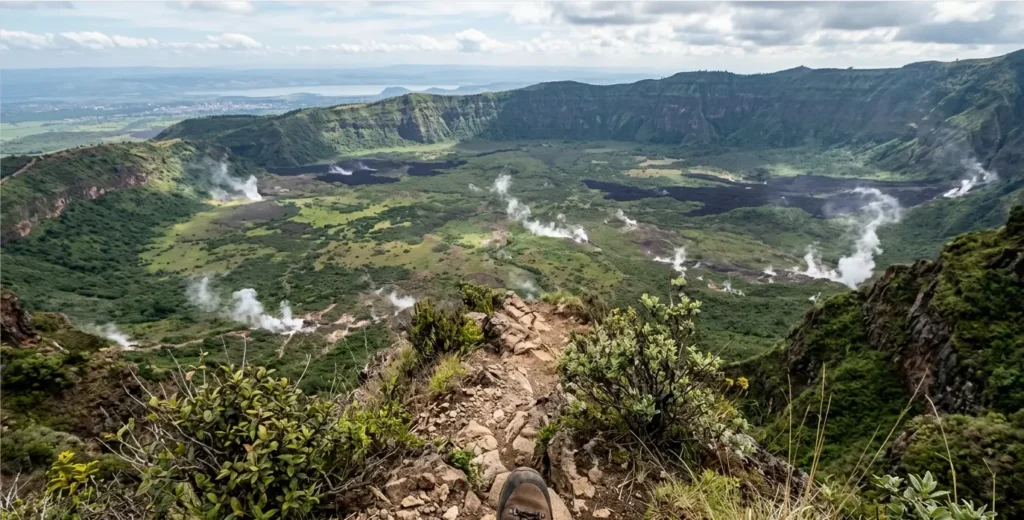
For those seeking fun things to do in Nakuru that offer more adrenaline than a standard game drive, the Menengai Crater is an essential stop. Located just 10 kilometers (6.2 miles) north of the Nakuru City Centre it is the world’s largest intact calderas, stretching 12km across. While the park is about patience and binoculars, Menengai is about grit, high-altitude wind, and some of the most expansive Rift Valley viewpoints in East Africa.
The hiking trails in Nakuru vary, but the trek to the crater floor is the ultimate test for things to do in Nakuru for thrill-seekers. Locals often speak of the “souls of the dead,” a legend stemming from 19th-century tribal battles where defeated warriors were thrown over the rim. Today, the “smoke” rising from the floor isn’t spirits, but high-pressure geothermal steam being harnessed by the Geothermal Development Company (GDC).
The Rim vs. The Floor: Choosing Your Battle
Most travelers make the mistake of only visiting the “Viewpoint” where the signpost stands, but the real magic is in the perimeter hike. A 3-hour trek along the rim provides a 360-degree perspective of Lake Nakuru to the south and the Solai Valley to the north. If you plan on descending to the floor, be warned that the heat trapped within the caldera can be intense; always start by 8:00 AM to avoid the midday sun.
🛡️ OPERATOR INSIGHT: Do not pay for a “crater floor guide” at the main gate unless you actually plan to go down. Many touts will try to convince you that the rim walk is “dangerous” without them, but for a simple walk to the main viewpoints, you can easily self-navigate. If you are self-driving, see our Kenya Car Hire Survival Guide to ensure your vehicle’s brakes are up for the steep, dusty descent back into the city.
One ground secret most guidebooks miss is that the sunset at the Menengai rim is technically superior to any viewpoint inside the National Park. Because the crater sits at a higher elevation, you get a “cleaner” horizon line as the sun dips behind the Mau Forest complex. It’s a completely free visual spectacle, provided you exit the rim area before dark, as the road back to the CBD lacks streetlights and can be tricky for first-timers.
Menengai Crater hiking is a physical transition from the dust of the city to the crisp air of the Rift Valley highlands. After you’ve conquered the heights and felt the geothermal heat, it’s time to move from natural wonders to the tragic stone legends of the city’s outskirts…
Historical Legends: Lord Egerton Castle & Hyrax Hill
If you are looking for fun things to do in Nakuru that offer a break from the safari vehicle, the city’s outskirts hold two of the most significant prehistoric sites in Nakuru. These locations provide a rare look at both the colonial architectural obsession and the 5,000-year-old Neolithic history of the Great Rift Valley. They are essential stops for those who want to understand the “soul” of the region beyond the wildlife fences.
Lord Egerton Castle: The “Castle of Love and Hate”
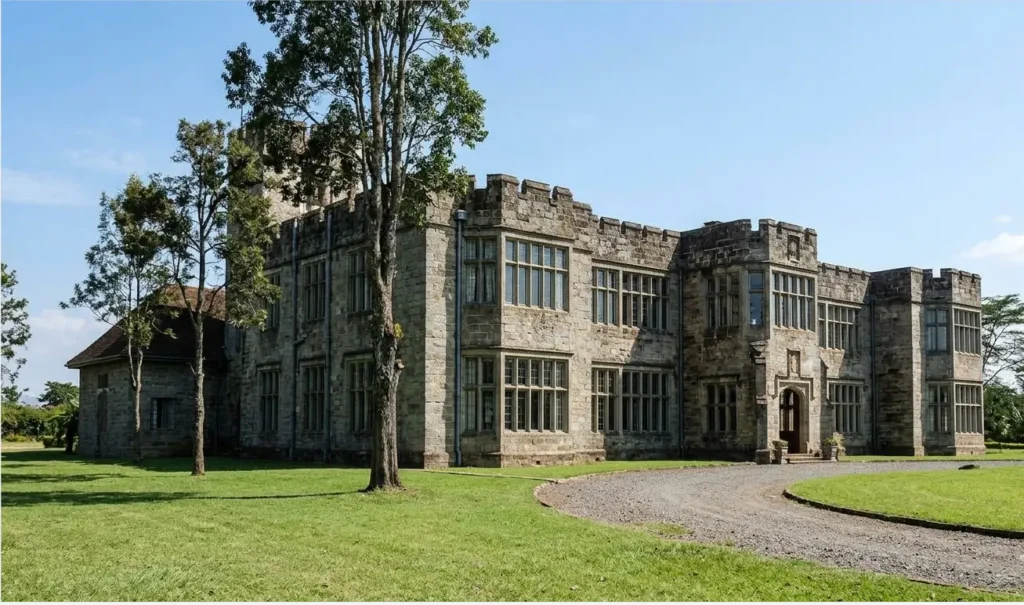
Located 14km from the CBD along the Nakuru-Eldoret highway, Lord Egerton Castle is one of the most unique places to visit for couples in Nakuru. Built by Lord Maurice Egerton for a fiancée who eventually rejected him as having “a house like a chicken coop,” the 52-room mansion is a monument to unrequited love. The castle features imported zinc tiles, oak carvings, and a grand ballroom, yet the Lord famously banned all women from the property for the rest of his life.
🛡️ OPERATOR INSIGHT: The Lord Egerton Castle fees 2026 are currently 400 KES for Kenyan citizens and approximately $10 for non-residents. Unlike the national park, the castle is managed by Egerton University and often requires a separate payment system; ensure you have enough battery on your phone for M-Pesa or card payments as they are moving away from cash. If you are coordinating this visit with a wider itinerary, see our Nairobi to Nakuru Day Trip Guide to see how to fit this 14km detour into a tight schedule.
Hyrax Hill Museum: The Best “Free” Lake View
For a deeper dive into antiquity, the Hyrax Hill Museum showcases the Sirikwa holes—remnants of a 5,000-year-old civilization. This archaeological site is just 4km from the city center and serves as a vital link to the Late Stone Age. While the museum displays Neolithic tools and pottery, the real “thrill” here is the hike to the summit of the hill.
The climb to the top of Hyrax Hill takes about 15 minutes and offers arguably the best panoramic view of Lake Nakuru. Because this is a National Museum site and not a National Park, it is the most affordable way to get a world-class “Safari view” of the lake and the city skyline without paying the full KWS entrance fee. It’s a perfect spot for photographers who want to capture the scale of the flooded forest from a safe, elevated distance.
💡 PRO TIP: The museum grounds are excellent for a quiet picnic, but keep an eye on your bags as the local baboons have learned that “historical tourists” often carry snacks. To ensure your belongings stay as safe as you are, read our latest report on Is Lake Nakuru National Park Safe? which covers safety tips for both the park and the surrounding urban attractions.
After tracing the tragic history of the Lord and the ancient steps of the Sirikwa, it’s time to head back into the city to experience the modern, sizzling flavors of the local food scene…
The “Chomazone” & Nakuru Food Culture: Where Locals Eat
Exploring the culinary landscape is easily one of the most fun things to do in Nakuru once you step outside the safari lodge bubble. The city is legendary for its “Choma” culture—succulent, flame-grilled goat meat that serves as the social heartbeat of the Rift Valley. To find the best restaurants in Nakuru, you must distinguish between the polished tourist cafes and the high-energy “Chomazones” where the real flavor lives.

For an authentic experience, head to the Good Valley Choma Zone or take a short 20-minute drive out to the Kikopey belt for world-class roadside grills. If you prefer a more refined setting within the Nakuru CBD, Fika & Feast has become the go-to spot for specialty coffee and contemporary brunch. This urban culinary shift provides a welcome break from the standard buffet menus found in most national park accommodations.
🛡️ OPERATOR INSIGHT: Most travelers get stuck in hotel dining rooms, but the best food is found where the local business community gathers. If you are planning an overnight stay, check our guide on the Lake Nakuru lodges to see which ones actually offer flexible dining or proximity to the city’s top eateries.
Business Lunches vs. The Nakuru Nightlife
If you are looking for where to eat in Nakuru CBD during the day, the business crowd favors spots like Java House Westside for reliability or Kenyatta Avenue bistros for quick bites. However, as the sun sets, the city transforms into a neon-lit playground that rivals Nairobi in energy. The Nakuru nightlife is centered around high-end lounges like Platinum 7D and the Gigi Rooftop, where you can enjoy panoramic city views with a cocktail in hand.
| Dining Category | Top 2026 Recommendation | Why Locals Love It |
| Authentic Choma | Good Valley / Kikopey | The freshest goat meat in the Rift Valley. |
| Trendy Brunch | Fika & Feast | Aesthetic interiors and the best lattes in town. |
| Rooftop Vibes | Gigi Rooftop Lounge | Unrivaled views of the Nakuru skyline at dusk. |
| Late Night | Platinum 7D | High-energy music and excellent service standards. |
One secret for the 2026 traveler: Nakuru has a strict “No Plastic” enforcement policy that extends to takeaway containers in most CBD eateries. If you are picking up food for a road trip, ensure you have a reusable bag or be prepared to pay a small “eco-fee” for paper packaging. This is a small but firm rule that keeps the city streets noticeably cleaner than other regional hubs.
After fueling up on the best grills and caffeine the city has to offer, it’s time to navigate the logistical “ground truth” of moving between these urban gems and the wild park gates…
Greater Nakuru: Quick Day Trips to Elementaita & Kariandusi
If you have an extra morning, some of the most fun things to do in Nakuru actually lie just 30 kilometers outside the city limits. While most travelers fixate on the main park, the “Greater Nakuru” area offers a quieter, more exclusive look at the Rift Valley’s ecosystem. Expanding your itinerary to include these nearby gems is the best way to escape the mid-day safari crowds.
Lake Elementaita: The “Flamingos” Alternative
As water levels in Lake Nakuru fluctuate, Lake Elementaita has become the more reliable spot for those chasing the classic flamingo horizon. Lake Elementaita things to do range from guided shoreline walks to visiting the Kekopey hot springs for a natural “spa” experience. Because it is a shallower, soda lake, it maintains the alkaline balance that attracts the birds more consistently than the now-flooded Nakuru basin.
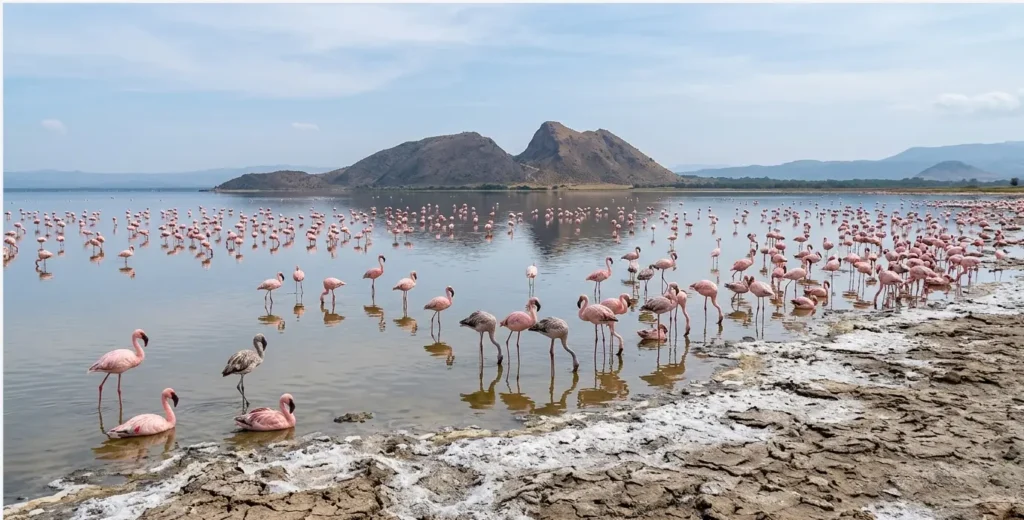
🛡️ OPERATOR INSIGHT: If you are torn between the two lakes, see our Lake Nakuru or Lake Elementaita 2026 Comparison to understand which one currently has the better bird density for your specific travel dates. Many people waste time driving to Nakuru for flamingos when the spectacular pink colonies are actually sitting right next to the highway at Elementaita.
Kariandusi Prehistoric Site: The Hand-Axe Museum
For a shift from biology to deep time, the Kariandusi prehistoric site is a mandatory stop located right off the Nairobi-Nakuru highway. This Lower Paleolithic site was discovered by Louis Leakey in 1928 and contains an incredible “factory” of obsidian hand-axes left behind by early humans. It is one of the most accessible day trips from Nakuru and takes less than an hour to explore thoroughly.
The site features an on-site museum and a descent into the actual excavation pits where you can see the stone tools still embedded in the earth. It is a stark, fascinating contrast to the lush forests of the national park and provides a deeper context to the human history of the Rift Valley. If you are traveling with family, this is one of the best educational things to do in Nakuru that won’t cost a fortune in entry fees.
💡 PRO TIP: Kariandusi is located near several diatomite mines; the dust can be intense during the dry season. If you are sensitive to dust or traveling with high-end camera gear, check our Ultimate Lake Nakuru Safari Packing List to ensure you have the right protective covers for a Rift Valley road trip.
2026 Logistics: Beating the Traffic & eCitizen Hacks
Now that we’ve covered the best places to visit in Nakuru, we must address the “ground truth” of getting there. The current Nairobi to Nakuru road construction (Rironi-Mau Summit stretch) has turned the 3-hour journey into a potential 5-hour endurance test. To keep your itinerary on track, you must decide your entry point before you hit the Gilgil weighbridge.
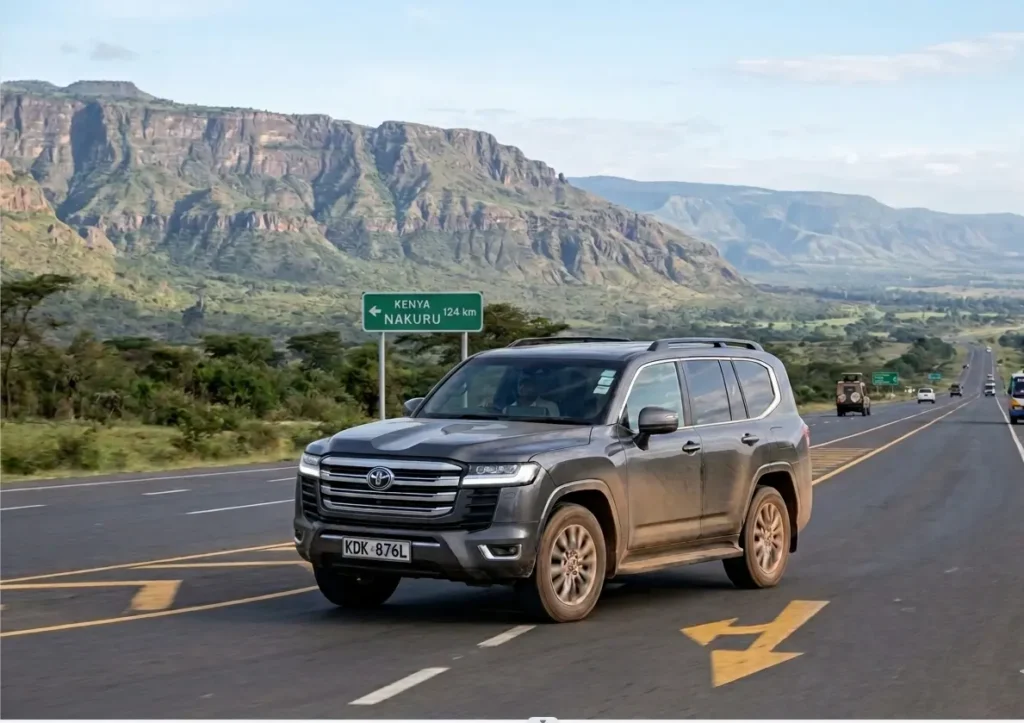
If your goal is urban—visiting Lord Egerton Castle or the Menengai Crater—stay on the main highway into the CBD. However, if you are strictly here for the wildlife, you should bypass the city center entirely to avoid the afternoon gridlock. Using the Lanet Gate Shortcut can save you nearly an hour of bumper-to-bumper traffic, putting you in front of a rhino while others are still stuck in the city’s roundabouts.
⚠️ 2026 ROAD ALERT: For the 2NK fare prices 2026 expect to pay between 400 and 600 KES for a premium shuttle seat. If you are using public means, check our Nairobi to Nakuru transport guide for the latest stage locations to avoid the “fake” touts who target tourists.
The eCitizen “Gate Trap”
You cannot simply show up and pay for activities in Lake Nakuru National Park with cash or M-Pesa. Every single transaction must be validated through the eCitizen portal under the KWS department. Many travelers waste their first “golden hour” of photography at the gate because of “Pending” payment statuses or poor network reception.
🛡️ OPERATOR INSIGHT: Do not wait until you see the gate to pay; the network at Lanet and Nderit is notoriously unstable. Pre-load your eCitizen account and complete the transaction in Nairobi or Nakuru town, then simply present the QR code at the gate. See our eCitizen park fees payment guide to learn the “Validation Hack” that ensures your receipt clears instantly.
With the logistics secured and the hidden gems mapped out, all that remains is choosing the right pace for your journey…
Summary: The 2026 Ultimate Nakuru Itinerary (1-Day vs. 3-Day)
To maximize your time, your “battle plan” must account for the geographical spread between the volcanic north and the aquatic south. These itineraries are designed to balance high-energy adventure with the city’s best culinary stops, ensuring you don’t spend your entire trip behind a windshield. Whether you are on a solo mission or looking for things to do in Nakuru for family, these timelines are the current gold standard for 2026.
The 1-Day Nakuru Itinerary
This condensed schedule is perfect for those coming from Nairobi who want to hit the “Big Three” without an overnight stay.
- 08:00 AM: Arrive at Menengai Crater for a 1-hour rim walk and photography.
- 10:00 AM: Quick stop at Hyrax Hill Museum for prehistoric history and a lake-view preview.
- 12:30 PM: Lunch at Fika & Feast (CBD) or a quick bite at the Good Valley Choma Zone.
- 02:00 PM – 06:00 PM: Game drive in Lake Nakuru National Park, focusing on the southern rhino plains.
🛡️ OPERATOR INSIGHT: For a seamless Nakuru 1 day itinerary, always enter the park via the Lanet Gate in the afternoon to avoid the CBD exit traffic. To ensure you aren’t rushing back in the dark, see our Nairobi to Nakuru Day Trip Guide for the “No-Rush” timing hacks that keep you ahead of the truck convoys on the highway.
The 3-Day Nakuru Itinerary
If you have the luxury of time, a 72-hour stay allows you to explore the “Greater Nakuru” gems and the city’s nightlife properly.
| Day | Morning Activity | Afternoon Activity | Evening Vibe |
| Day 1 | Menengai Crater Hike | Lord Egerton Castle | Dinner at Gigi Rooftop |
| Day 2 | Full Day Park Safari | Makalia Falls Picnic | Nightlife at Platinum 7D |
| Day 3 | Lake Elementaita Walk | Kariandusi Prehistoric Site | Departure for Nairobi |
💡 PRO TIP: If you are traveling with kids, the wide-open lawns of Lord Egerton Castle are far better for “running off steam” than the restricted vehicle-only zones of the national park.
2026 Information Gain: The “Park-to-Castle” Loop
Most visitors take the main highway back and forth, hitting every speed bump and traffic stop in the CBD. There is a little-known “Back-Road” that connects the Njoro area (near the Castle) to the western fringes of the city, bypassing the main Nairobi-Eldoret highway congestion entirely. Using this route can save you 40 minutes of transit within Nakuru.
Now that we’ve built your perfect schedule, let’s wrap up with the most frequently asked questions to ensure no hidden cost catches you off guard…
FAQ: Your Questions on Things to Do in Nakuru 2026
Is Nakuru safe for solo travelers?
Nakuru is widely considered one of Kenya’s safest hubs for solo exploration, especially within the fully-fenced National Park. In the CBD, Nakuru Uber safety remains high, making it easy to move between your hotel and spots like Fika & Feast without hassle. For peace of mind, always finish your city walks before 7:00 PM and use vetted transfers for late-night lounge visits.
How much is the entry to Menengai Crater?
As of early 2026, the entry fee for Menengai Crater remains one of the most affordable activities in Nakuru, typically ranging between 200 and 500 KES for Kenyan citizens, while non-residents can expect to pay approximately $10 to $15. Note that specialized activities like Caves Exploration or large Hiking Groups (over 10 people) require a separate permit, often costing upwards of 2,000 KES.