Email:
 Phone:
 WhatsApp:
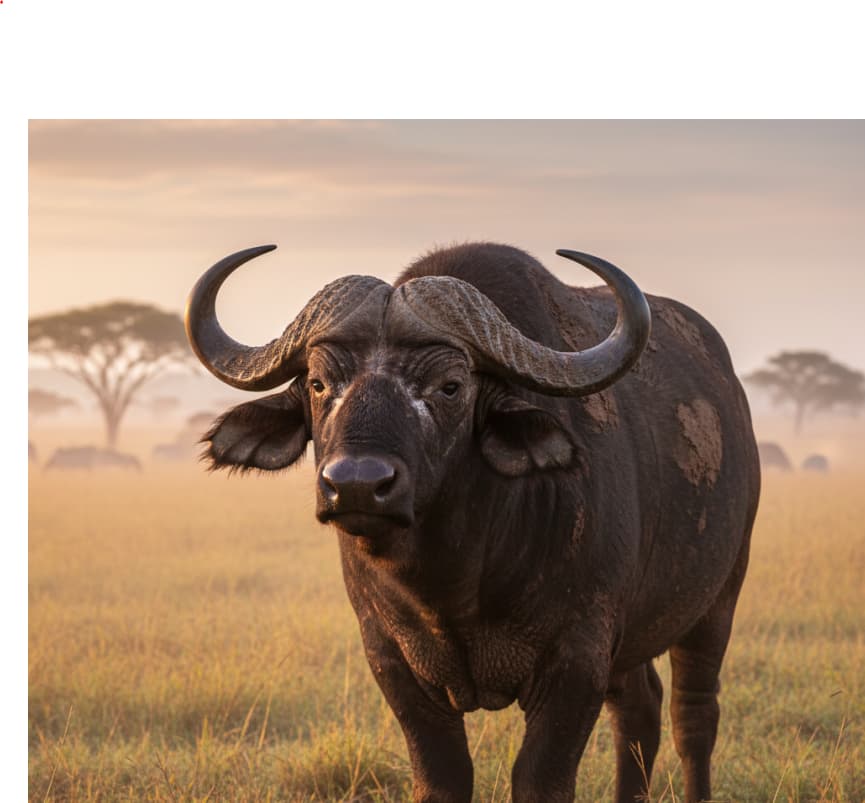
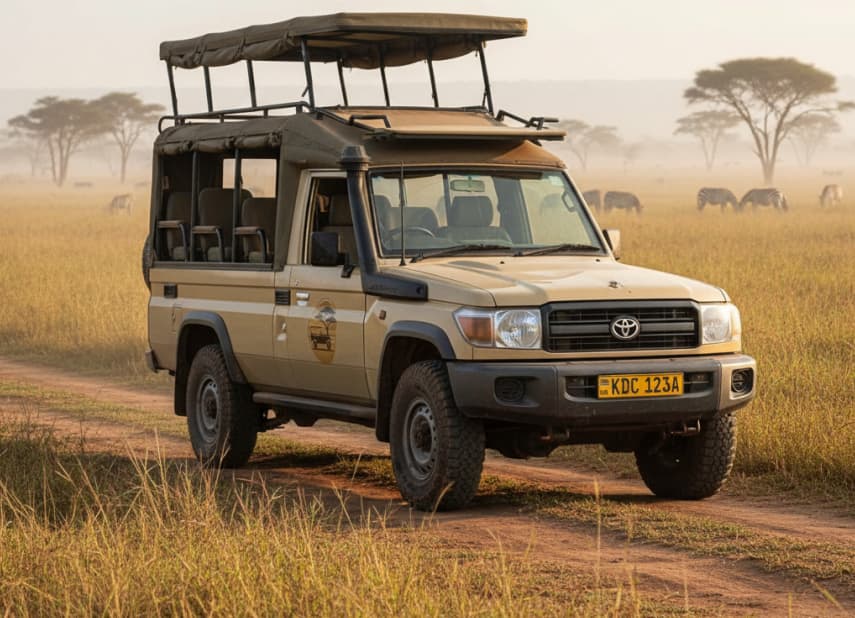
Planning a 3-day Masai Mara safari from Nairobi in 2026 is one of the most rewarding ways to experience Kenya’s wildlife in a short time. With proper planning, three days are enough to see the Big Five, explore different habitats, and understand how the Masai Mara ecosystem works.
This guide is written from an on-the-ground, operator perspective. It focuses on logistics, timing, vehicles, costs, accommodations, and small details that directly affect your safari experience.
Quick Guide to This 3-Day Masai Mara Safari
Why Is a 3-Day Masai Mara Safari Worth It?
A 3-day Masai Mara safari from Nairobi is popular because:
- Travel time is manageable (split over Day 1 & Day 3)
- Wildlife density in the Mara is high year-round
- Typical 3-day itineraries include 3–4 game drives, offering a strong chance to see lions, elephants, buffalo, giraffes, zebras, and often leopards.
What Are the Entry and Travel Requirements for the Masai Mara in 2026?
- Kenya now requires an Electronic Travel Authorization (eTA) for all travelers
- Apply at least 3 days before arrival
- Approval is digital; a phone copy is sufficient, but a printed backup is recommended
- Applies to all travelers, including children
- Once cleared for Kenya, no additional permit is required to travel from Nairobi to the Masai Mara
Operator tip: eTA regulations are updated regularly, so always check the official portal before planning.
Masai Mara Park Fees
- Low season (Jan–June): USD 100 per adult per day
- Peak season (Jul–Dec): USD 200 per adult per day
- Tickets are valid from 6:00 AM to 6:00 PM only
Operator tip: The 12-hour rule affects Day 1 and Day 3 itineraries. Entering late still counts as a full day, so aim to arrive before midday.
How Long Does It Take to Drive from Nairobi to the Masai Mara
- Distance: approximately 229 km
- Average drive: 4–5 hours
- Scenic stop at the Great Rift Valley viewpoint
- Entry points via Sekenani Gate or Talek Gate. Safaris typically enter the Masai Mara via Sekenani Gate (best for southern lodges and quick access to the Mara Triangle) or Talek Gate (closer to northern lodges and the Talek River corridor), with both gates offering access to prime game-viewing areas.
This route map illustrates how most safari vehicles travel from Nairobi to Masai Mara, including entry via Sekenani or Talek Gates. It helps you visualize distance, direction, and park access before choosing a 3-day safari itinerary.
Map Points & Short Descriptions
A – Nairobi-Starting point of the safari. Pick-up from city center or hotel.
B – Great Rift Valley Viewpoint-Scenic stop for photos and to admire the Rift Valley escarpment.
C – Narok Town-Key waypoint en route to the Masai Mara. Good for fuel, supplies, or refreshments.
D – Talek Gate-Northern park entry, closest to lodges near Talek River. Access to northern game areas.
E – Sekenani Gate-Southern park entry, ideal for southern lodges and Mara Triangle.
F – Masai Mara Main Safari Area-Core wildlife zones for game drives. See lions, elephants, cheetahs, and more.
Operator insight: The distance from Nairobi to the Sekenani Gate is approximately 225 km. While the first half of the journey to Narok is on smooth tarmac, the final 75 km stretch is a rugged gravel road. We highly recommend a 4×4 Land Cruiser to navigate the “African Massage” (bumpy roads) comfortably, especially during the rainy season. Traffic at gates is common in peak season.
Pro Tip: If you are driving yourself for your 3-Day Masai Mara Safari from Nairobi, download the ‘Offline Maps’ for this region in Google Maps. Signal can be weak once you pass Narok Town.
Which Safari Vehicle Should I Choose for a 3-Day Masai Mara Trip?
4×4 Land Cruiser
- Best for all-weather travel, photography, and conservancy access
- Advantages: Higher clearance, better suspension, more stable on muddy “black cotton” soil
Safari Van
- Best for budget travelers, dry-season trips, and tarmac-heavy routes
- Limitations: Rougher ride, restricted access in some conservancies
Operator tip: Conservancies now restrict vans. Even in the main reserve, a 4×4 allows better positioning around wildlife sightings.
Where Should I Stay During a 3-Day Masai Mara Safari?
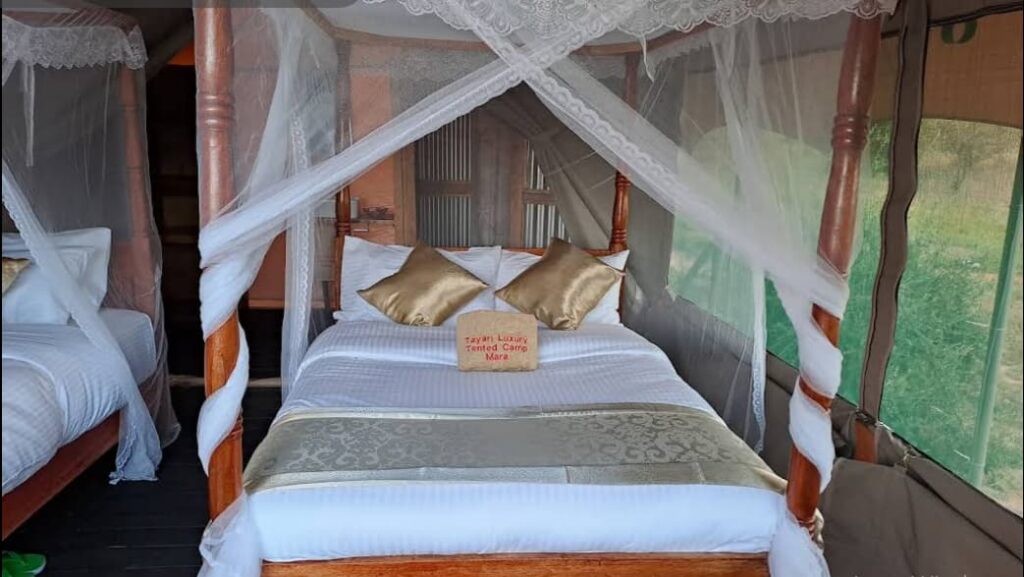
Budget & Mid-Range Tented Camps
- Comfortable tents with private bathrooms
- Dining areas and basic amenities
Photo: Tayari Luxury Tented Camp

Luxury Lodges & Tented Camps
- Spacious ensuite tents or cottages
- Hot water, electricity, scenic locations
- Extras like night drives or walking safaris
Photo: AA Masai Mara Lodge
Operator insight: Staying near prime game-viewing areas reduces drive time and improves overall safari quality.
What Is the Ideal 3-Day Masai Mara from Nairobi Safari Itinerary?
Day 1: Nairobi → Masai Mara
- 6:30–7:30 AM: Departure from Nairobi
- Scenic stop at the Great Rift Valley viewpoint
- 1:00–2:00 PM: Arrival at camp/lodge
- 3:30–6:00 PM: Afternoon game drive
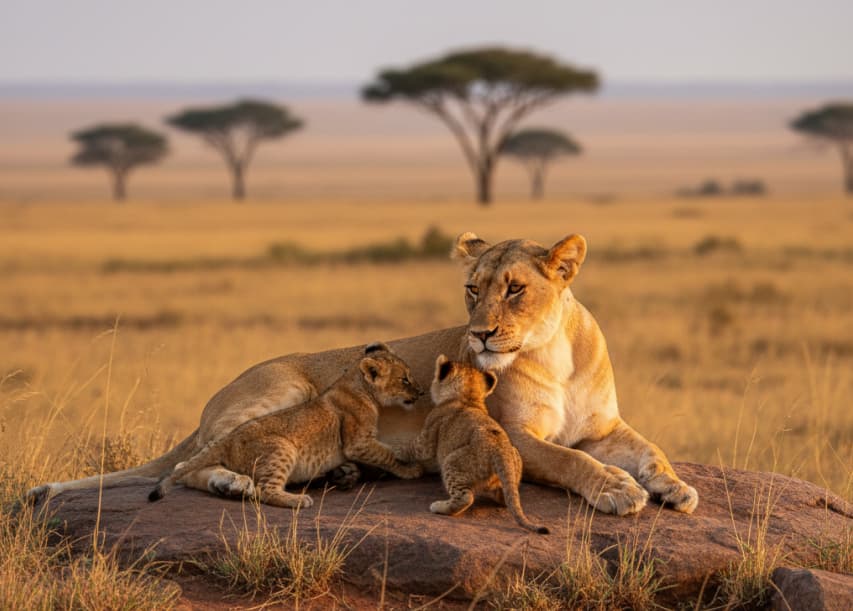
Optional: Visit a Maasai village to experience traditional culture and beadwork.
Day 2: Full-Day Game Viewing
- 6:00 AM: Early morning game drive (best for predators)
- Mid-morning break or brunch
- Extended drive toward rivers and plains
- Picnic lunch inside the reserve
Optional: Hot air balloon safari over the plains, ending with a bush breakfast.
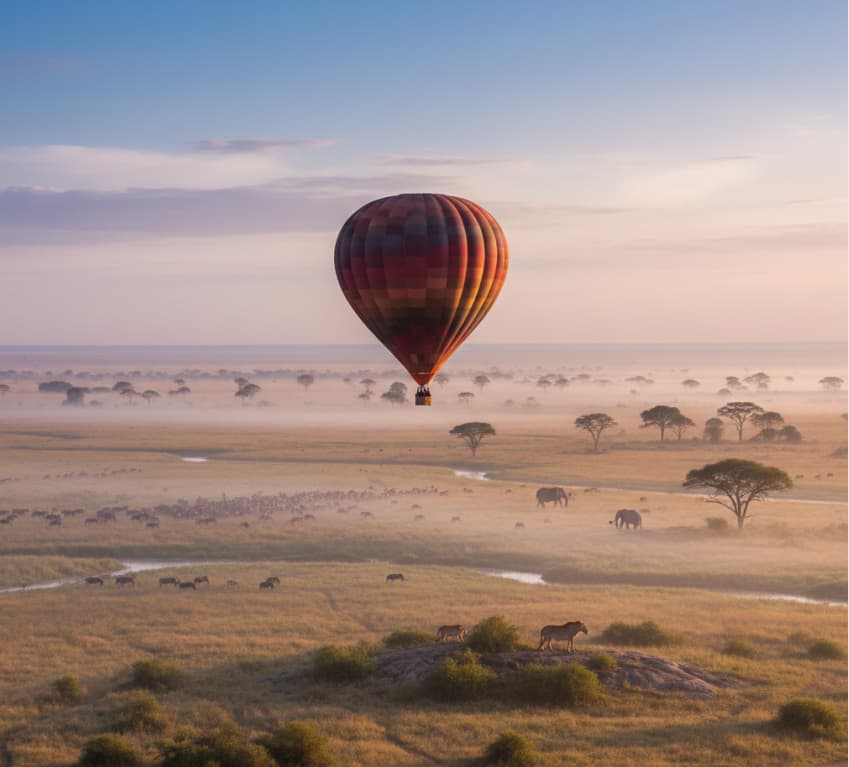
Day 3: Morning Drive & Return
- Short sunrise drive near camp
- Breakfast
- Exit the reserve before late morning
- 4:00–5:00 PM: Arrival back in Nairobi
A Preview of What to Expect in the Mara
Want to see the wildlife you’ll encounter on a 3-Day Masai Mara Safari from Nairobi? Watch this short documentary showcasing a typical safari from Nairobi to Mara, Big Five, zebra herds, and the Mara River ecosystem. While the video gives a realistic view of animal behaviour, your actual safari experience will depend on factors such as park entry gate, vehicle choice, guide expertise, and lodge location in the Masai Mara.
📍 Key Moments to Watch (Timestamps):
- 00:55 – The Great Rift Valley Viewpoint (The exact stop on our Day 1).
- 05:45 – Incredible footage of Cheetah cubs playing in the wild.
- 11:26 – Up-close encounter with the famous Notch Lion family.
- 25:25 – Rare sighting of a Black Rhino on the open plains.
🦁 The Local Advantage (Hilmuks Safaris & Adventures): You may notice that international vloggers often book through foreign agencies with high markups. By booking with a local Kenyan operator, you aren’t just saving 20% by cutting out the middleman; you are ensuring 100% of your safari fee stays within the local Masai community and conservation efforts.
When Is the Best Time to Visit the Masai Mara?
- Jan–Mar: Excellent predator viewing; fewer vehicles
- Apr–May: Green season, fewer tourists, possible rain
- Jun: Transition month; good value
- Jul–Sep: Peak wildebeest migration
- Oct–Dec: Dispersed herds, strong birdlife, softer crowds
How Much Does a 3-Day Masai Mara Safari Cost in 2026?
- Budget (shared): USD 380–550
- Mid-range (private 4×4): USD 700–950
- Luxury / fly-in: USD 1,600+
Usually included: Transport, accommodation, meals, guide
Usually excluded: Park fees, drinks, tips, optional activities
Operator advice: Confirm if park fees are included — this is a common misunderstanding.
What Health Precautions Are Needed for the Masai Mara?
- Yellow fever vaccination may be required
- Malaria prevention recommended
- Bring personal medications and insect repellent
- Vehicles carry first-aid kits; lodges have emergency protocols
How Can I Travel Sustainably in the Masai Mara
- Respect viewing distances
- Avoid crowding animals
- Choose camps supporting Maasai land leases
- Minimize plastic use
Frequently Asked Questions About a 3-Day Masai Mara Safari
Is a 3-day safari from Nairobi enough to see the Big Five?
Yes. Multiple game drives in three days give a high chance of sightings.
Will the Nairobi road be rough?
Yes, especially the final section. A 4×4 or fly-in option is recommended.
Do lodges offer Wi-Fi?
Most mid-range and luxury camps have Wi-Fi in common areas; connectivity inside the reserve is limited.
What should I pack for a safari?
While neutral-colored clothing and a 300mm+ zoom lens are standard, packing for a 2026 Kenyan safari requires specific gear to handle the high-altitude UV glare and the “alkaline dust” of the Rift Valley. Because your 3-day itinerary involves long drives and multiple gate entries, you must also prioritize power management for your digital eTA and park entry QR codes. Before you zip your bag, consult our Lake Nakuru & Masai Mara Packing List to ensure your equipment is protected from the corrosive soda-dust common in the region.
Final Operator Summary
A 3-day Masai Mara safari from Nairobi offers a perfect balance of wildlife, adventure, and efficiency. With the right vehicle, accommodations, and planning, three days is enough to enjoy an immersive, operator-led safari experience — including optional hot air balloon rides and Maasai village visits.
Ready to Experience the 3 day Masai Mara Safari from Nairobi?
Whether you are a solo traveler looking for a social atmosphere or a family seeking an exclusive private escape, we have the perfect itinerary for you. Choose your preferred way to travel below:
| Option A: Group Joining | Option B: Private Safari |
| Best For: Solo travelers, couples, and budget-conscious adventurers. Highlights: Meet new people, shared 4×4 transport, and incredible value. CLICK HERE TO JOIN A 3 DAY GROUP SAFARI FROM NAIROBI TO MARA | Best For: Families, honeymooners, and photographers. Highlights: Full control of your schedule, private 4×4 vehicle, and tailored pace. CLICK HERE TO BOOK A 3 DAY PRIVATE SAFARI FROM NAIROBI TO MARA |
Both packages include 4×4 Land Cruiser transport from Nairobi, professional Masai guides, and all park entry fees. Secure your dates today!